 Written by HLRBO Staff|
Last updated
The average acre of American pasture is worth $2,000 in 2026, up $80 from 2025, according to USDA figures released at the end of July. That one-year paper gain is more than most hunting leases in the country pay in cash over a full season.
The numbers come from the Land Values 2026 Summary, published in late July 2026 by USDA's National Agricultural Statistics Service, which builds its estimates from an April-to-June survey of roughly 30,000 farm operations. Farm real estate, the value of all land and buildings on farms, averaged $4,500 per acre in 2026, up $150 per acre, or 3.4 percent, from 2025. Cropland averaged $6,020 per acre, up 3.3 percent and above $6,000 for the first time. Pasture posted the biggest percentage move of the three categories, rising 4.2 percent to that $2,000 mark.
The direction is familiar. The pace is not. In 2025, farm real estate rose 4.3 percent, cropland 4.7 percent, and pasture 4.9 percent, so every category cooled in 2026 even as every category set a new record. Land is still getting more expensive. It is just getting more expensive more slowly.
Where the 2026 map runs hot and cold
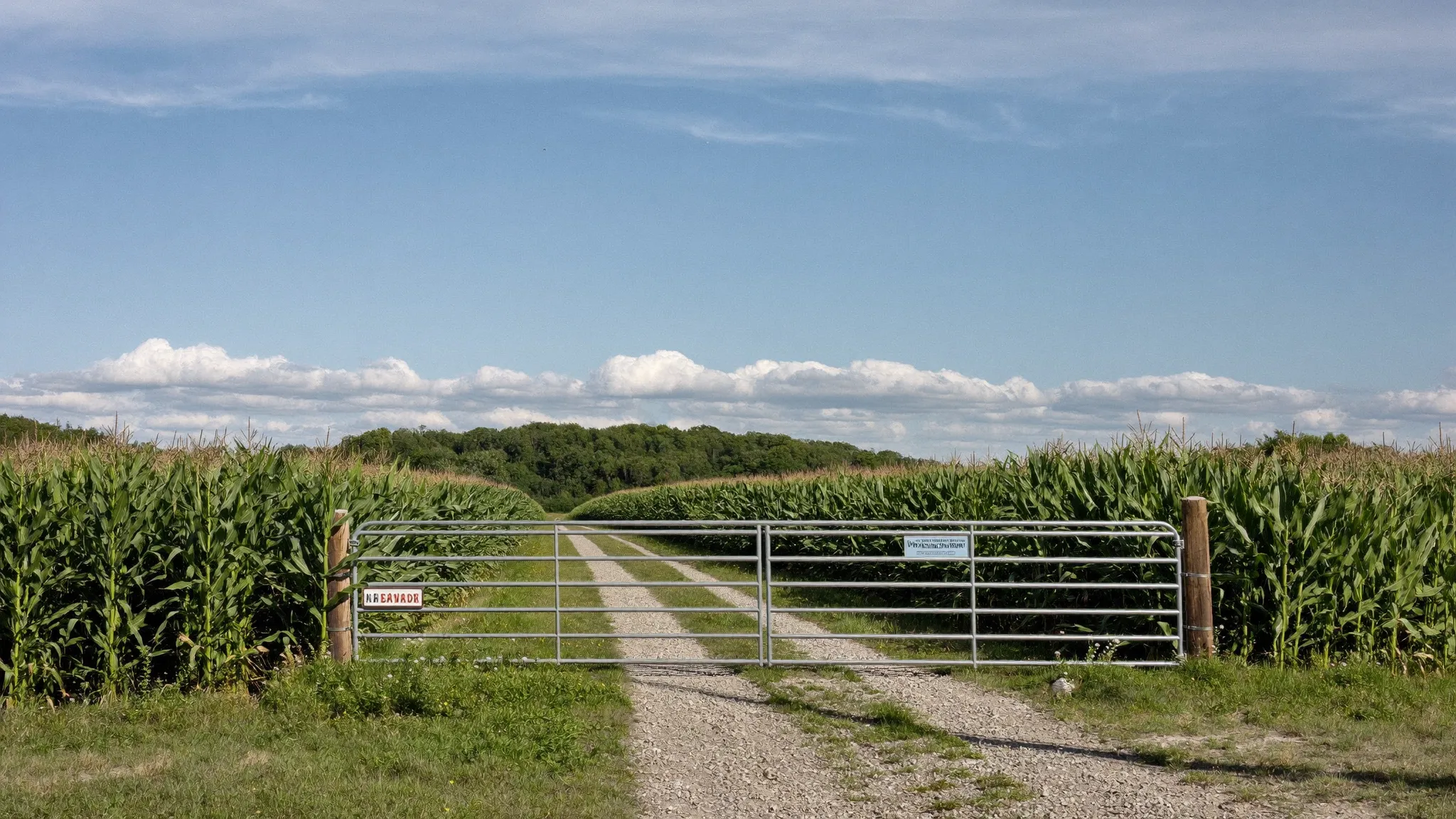
The national averages hide a spread that matters more than the averages do. Cropland in 2026 runs from $1,350 per acre in Montana to $34,300 per acre in Rhode Island, a 25-fold gap between the cheapest and most expensive state in the same table. Pasture stretches from $650 per acre in New Mexico to $17,500 in Rhode Island, where farmland pricing is really exurban real estate pricing wearing a seed cap.
Hunting country sits mostly in the middle of that table, and in 2026 the middle moved fastest. The Southern Plains, which NASS defines as Oklahoma and Texas together, posted a 5.3 percent pasture gain, more than any other region, though the two states split that credit unevenly: Texas pasture reached $2,420 per acre on a 5.2 percent rise, while Oklahoma pasture rose 4.8 percent to $2,200. Wisconsin pasture jumped 6.1 percent to $3,500 per acre, the largest state-level pasture gain in the report. Tennessee cropland climbed 5.8 percent to $6,400 per acre, the biggest cropland increase of any state. Georgia, one of the country's densest lease markets, saw pasture hit $5,100 per acre, up 4.1 percent. The pattern is hard to miss. The strongest appreciation in 2026 landed on exactly the kind of ground hunters lease, which is pasture, mixed timber, and marginal cropland rather than prime corn dirt.
The Midwest bankers tell a messier story
USDA's survey asks landowners what their ground is worth. The Federal Reserve Bank of Chicago asks the people who finance it, and in its May 2026 AgLetter, built on responses from 104 agricultural lenders, the answers diverge in instructive ways. Seventh District farmland values were up 3 percent year over year as of April 1, 2026, broadly consistent with the NASS number, but they slipped 1 percent from the fourth quarter of 2025 to the first quarter of 2026. Indiana was up 8 percent and Wisconsin up 7 percent on the year, while Iowa managed 2 percent and Illinois fell 2 percent.
Hold that Illinois number against the federal one for a moment. NASS has Illinois farm real estate up 3.6 percent for 2026, to $9,250 per acre, and Illinois cropland up the same 3.6 percent, to $10,200 per acre. The Chicago Fed's bankers had Illinois down 2 percent over nearly the same twelve months. Both are legitimate surveys with different respondents, different windows, and different incentives, and the honest read is that the plateau is uneven enough that reasonable measurements now disagree on the sign.
The rental side is less ambiguous. District cash rents for 2026 fell 3 percent, the second consecutive annual decline after increases from 2021 through 2024. Land values rising while crop rents fall means the working return on an acre of Midwest farmland is compressing, and that squeeze is quietly relevant to hunting access. When the row-crop tenant pays less each year, income that does not depend on corn prices starts looking better to the person holding the deed.
What $4,500 land does to hunting access
Here is where the land table meets the lease market. Forest Resource Consultants' 2026 pricing guide, a useful market benchmark for landowners, puts most hunting leases between $5 and $50 or more per acre per year, with Midwest ground running $15 to $75, the Southeast $8 to $30, and Western states $5 to $30.
Now run the arithmetic that neither report runs. A single percentage point move on the 2026 farm real estate average of $4,500 is worth $45 per acre. At typical 2026 lease rates, one point of appreciation equals anywhere from one to nine years of lease income on the same acre. Framed as a yield, a hunting lease at 2026 rates returns roughly 0.1 to 1.1 percent of the land's average value in annual cash. Nobody leases hunting ground to get rich on the yield, and the numbers say so plainly. The lease is the dividend on an asset the owner was going to hold anyway, and unlike the appreciation, it spends this year.
The same arithmetic explains why the access market keeps tilting toward leasing on the hunter's side. Buying 100 acres of Iowa ground at the state's 2026 farm real estate average of $10,100 per acre is a $1.01 million purchase before the first fence post. Leasing comparable Midwest acreage at 2026 rates costs $1,500 to $7,500 a year, which means a hunter could lease that ground for well over a century before the payments touched the purchase price. Every year the land table climbs, that gap widens, and the count of hunters who can realistically own their own ground shrinks while the count who can lease it does not.
Wherever your state landed on the 2026 map, the mechanism is the same. Appreciation is paper until the day the ground sells. Access income is cash every season in between, and it now stacks against falling crop rents in much of the Midwest. The next hard data points arrive with the Chicago Fed's August 2026 AgLetter and NASS's Land Values 2027 Summary next summer, and if 2026 is a guide, the land under American hunting will be worth more by then too. For landowners wondering what their acres could earn while they wait, HLRBO's marketplace connects that ground with hunters ready to lease it.