 Written by Justin Park|
Last updated
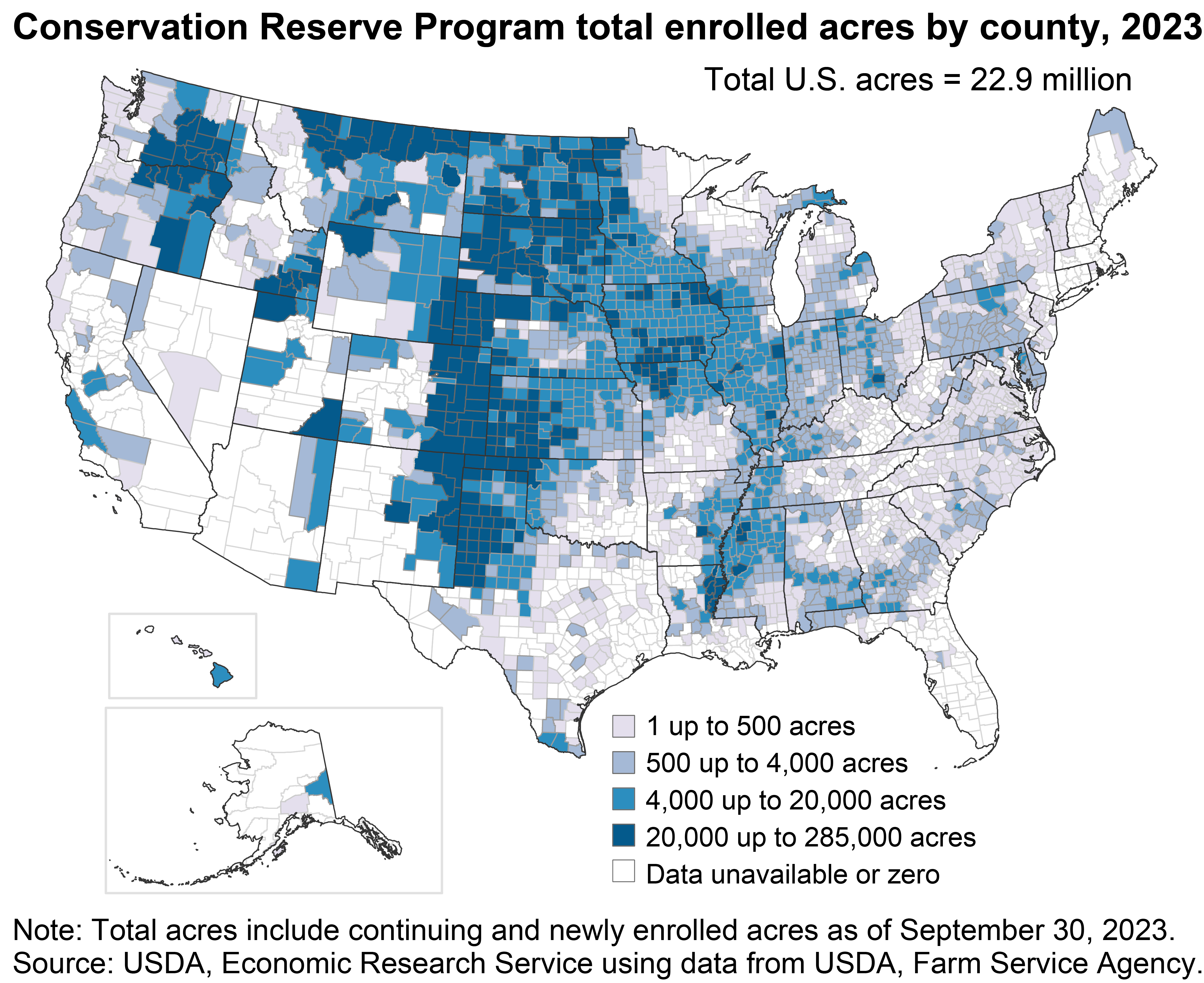
The Conservation Reserve Program (CRP) is a federal initiative that restores grasslands, wetlands, and wildlife habitat on private lands. Last month, in a rare bipartisan move, lawmakers pushed a bill to give the 40-year-old program a facelift.
The bill would more than double the payout cap, raising the annual limit from $50,000 to $125,000. Known as the CRP Improvement and Flexibility Act of 2025, the bill was introduced in July and sent to the Senate’s Agriculture Committee.
Who qualifies for CRP?
To apply for CRP, landowners go through their local Farm Service Agency office during sign-up periods. Not all land qualifies; eligible acres are usually farmland that’s been cropped in at least 4 of the past 6 years and is prone to erosion, environmentally sensitive, or valuable as wildlife habitat.
If accepted, landowners sign a 10–15 year contract, plant approved cover like grass or trees, and manage the land for conservation instead of row crops.
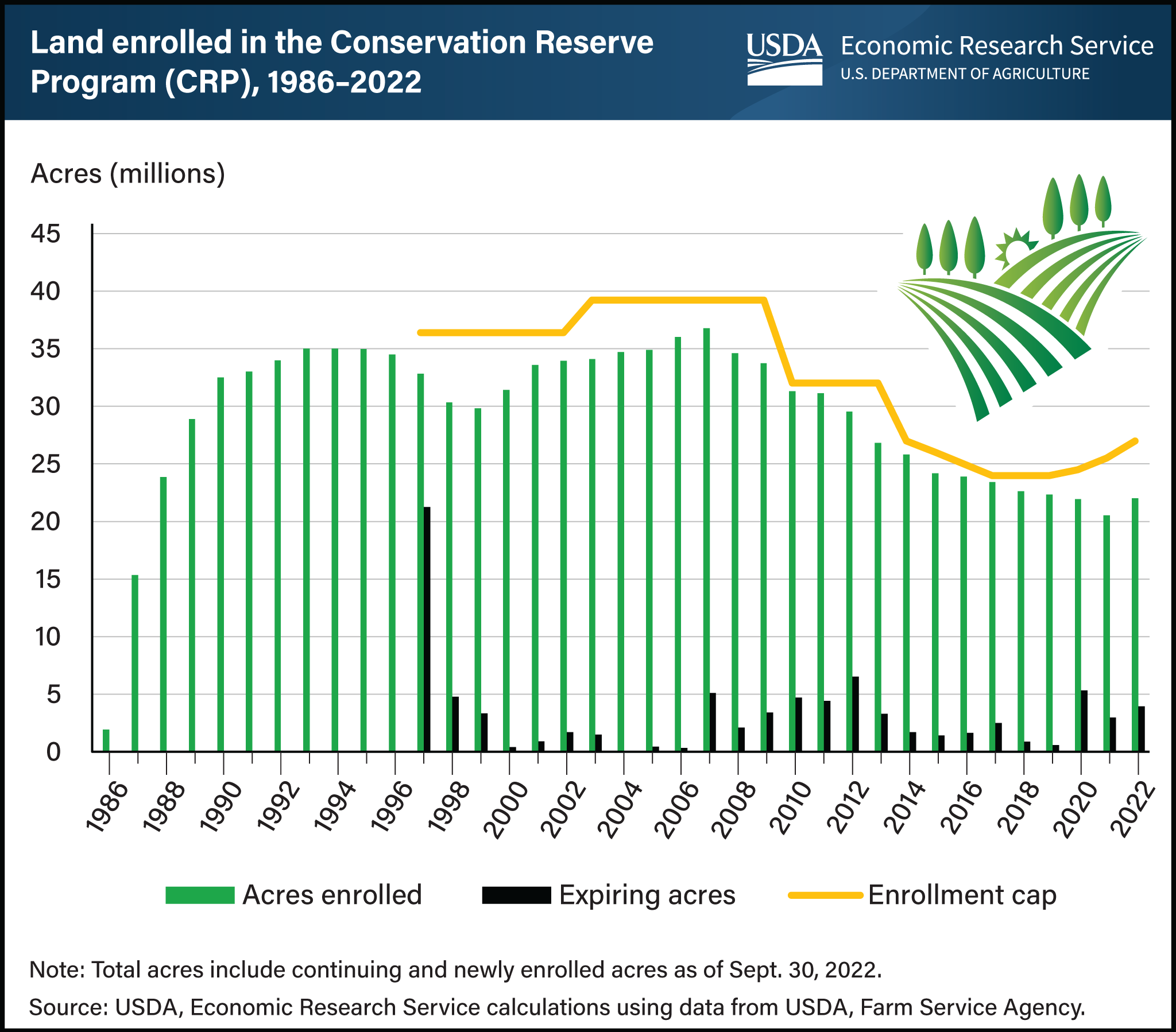
CRP has been popular for decades, but enrollment has dropped. In 2021, acres enrolled hit a 30-year low.
Farmers often choose crops or land sales over CRP, and the $50,000 cap likely discouraged bigger enrollments. The higher ceiling could change that by making CRP a stronger financial option.
Grazing Now Allowed
Traditionally, CRP pulled farmland out of production to boost wildlife and water quality. The new bill would also make grazing easier.
Ranchers could put cattle on CRP land while still protecting native grasses. The Kansas Livestock Association (KLA) praised the plan, saying grazing helps both ranchers and habitat.
“KLA has long advocated for additional grazing opportunities on CRP acres,” said KLA Chief Executive Officer Matt Teagarden. “Grazing benefits the native grass species, advancing the conservation goals of the program.”
The bill would even help cover costs for fencing, wells, pipelines, and tanks to make grazing possible.
Impact for Hunters
CRP land isn’t just for farmers and ranchers, as it also draws hunters. Millions of acres in the program provide nesting cover for pheasants, ducks, and grouse, plus fish habitat in streams.
Hunting groups back the bill, too. Aaron Field of the Theodore Roosevelt Conservation Partnership called CRP “one of the nation’s most important conservation programs” and warned that without it many wildlife populations would crash.
“Without the CRP, pheasant numbers would plummet, the northern plains states would lose much of their best duck breeding habitat, sage grouse in the West would be at even greater risk, and brook trout would decline in Eastern headwaters,” Field wrote.
If passed, the CRP Improvement and Flexibility Act could revitalize a key conservation tool, benefiting landowners, wildlife, and future generations alike.
AUTHOR BIO: Justin Park is a Colorado-based writer, editor, and avid hunter with a passion for the outdoors. He contributes to leading publications such as GearJunkie, Popular Mechanics, Powder, and Men's Journal, and serves as Editor of Wild Snow. Park is deeply involved in conservation and recreation advocacy, serving as Chapter Chair of the Rocky Mountain Elk Foundation (RMEF) in Summit County. He also represents RMEF on a state recreation committee focused on proactively addressing land use conflicts.