 Written by Seiji Ishii|
Last updated
By Seiji Ishii
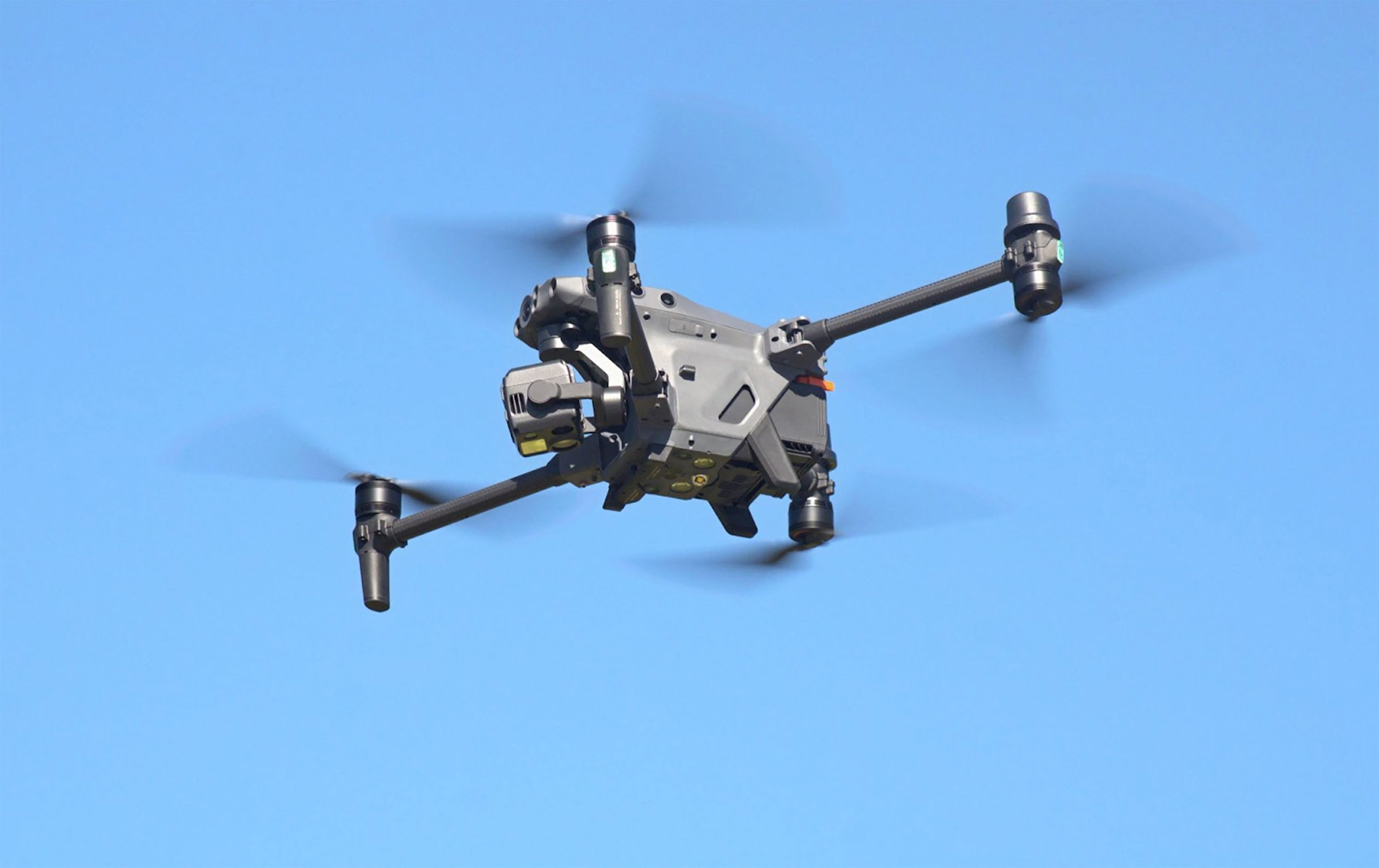
The whirring buzz of a drone is not a common sound in the hunting world. But, increasingly, state agencies are being forced to pay attention and pivot laws as camera-equipped drones become more common in the woods.
New laws and regulations, like New York's Senate Bill 3542, detail rules for operators of unmanned aircraft. Scenarios range from scouting to animal recovery, a territory formerly reserved for dogs, and lands both public and private have found their way into the debate.
Granted, most states do not allow any drone use during hunting season. The states that do permit drones draw a clear line by authorizing the technology specifically for recovering already-taken game, not for active hunting.
The Legislative Trend
New York's Senate Bill 3542, introduced this past January, shows how this plays out. The bill prohibits drones for scouting or hunting, but explicitly allows operators to use unmanned aircraft with infrared abilities to recover legally taken animals.
Pennsylvania Senator Jarrett Coleman introduced similar legislation in 2025 to legalize small unmanned aircraft for game recovery.
The push came after the Pennsylvania Game Commission cited a drone operator in 2023 for assisting in the recovery of a deer. A court dismissed the charges, but the case highlighted the need for clarity in the law.
Tennessee lawmakers have also offered legislation permitting hunters to use drones for recovering wounded deer on private property, though state wildlife officials still need to finalize the rules.
Missouri got ahead of the curve. Beginning this year, hunters gained authorization to use drones for tracking and recovering wounded deer, elk, black bears, and wild turkeys.
The regulations require operators to obtain landowner permission before launching and prohibit using drones to “harass, pursue, or take game.”
Maryland has drone use rules coming as well, proposed in reaction to use and abuse of drones for hunting in the state. More on that in our state-by-state hunting regulations update for spring 2026 here.
The Definition Debate
Missouri's approach comes down to definitions. The state explicitly excludes dogs and drones used for tracking wounded game from its legal definition of "hunting activities." In Missouri, “recovery” isn't hunting.
But New York and Pennsylvania take an opposite view. In those states, any attempt to recover a game animal counts as part of the hunt itself. That means drone prohibitions apply to recovery, too.
How the Technology Works
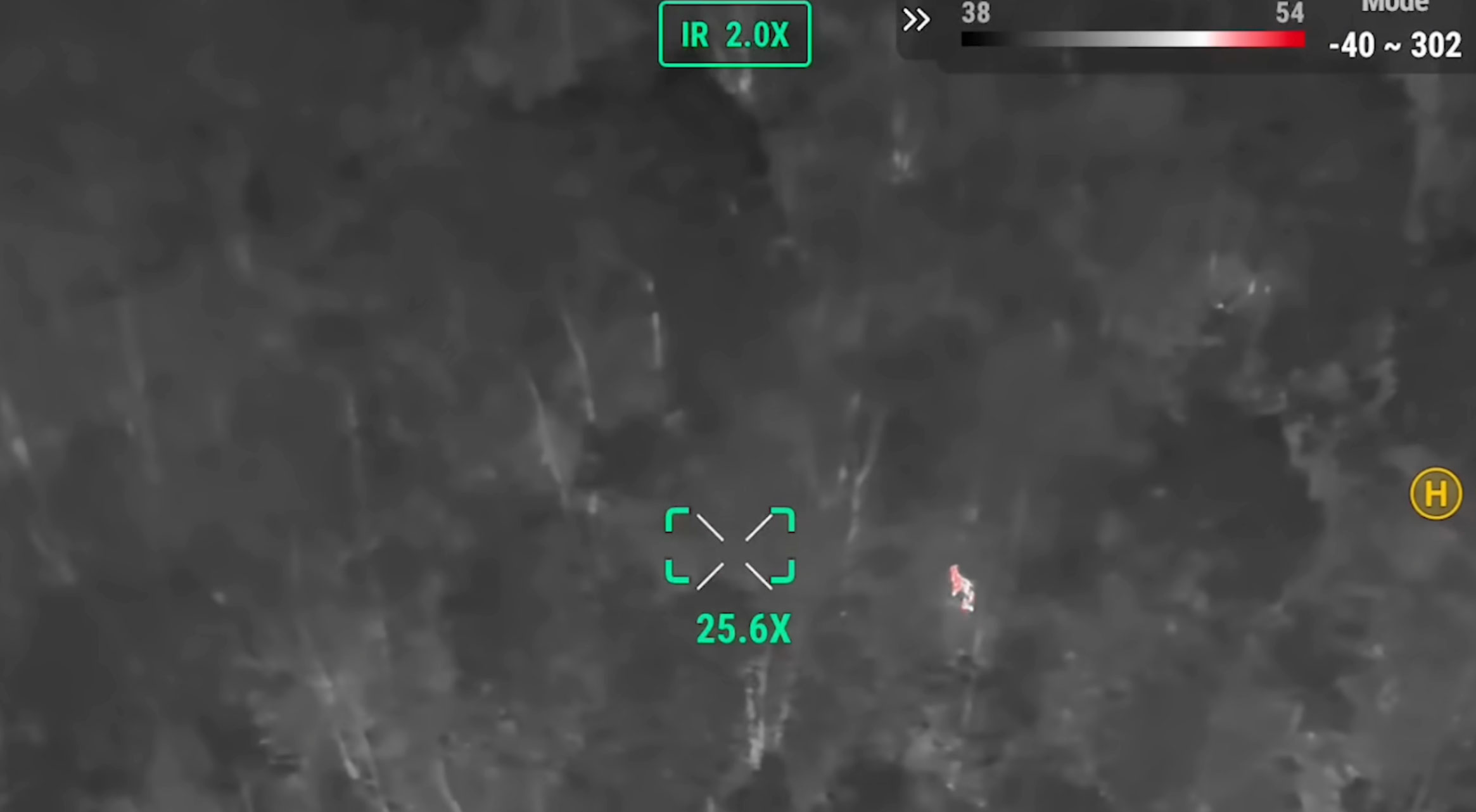
The technology proves its worth in challenging recovery scenarios. Thermal sensors detect heat signatures from deceased animals for up to a day after death. Operators flying at several hundred feet can locate game in dense forests or agricultural fields where traditional tracking fails.
The technology lets hunters search entire properties without disturbing other wildlife or leaving human scent. Tasks that once required hours of ground searching now take minutes from the air.
Professional operators report strong success rates. One prominent service completed over 100 recovery efforts during a recent season.
The Fair Chase Debate
But not everyone is convinced. Recent surveys in some Western states found the overwhelming majority of hunters believe drones violate fair-chase ethics. This highlights the ongoing tension between technological advancement and traditional values.
States continue grappling with these questions. The divide between recovery assistance and unfair hunting advantage remains at the center of legislative debates that will shape the future of American hunting practices.
As more states confront the rise of thermal-equipped drones, the line between ethical recovery tool and unfair advantage will stay contested. Legislatures are signaling a willingness to allow drones only after the shot, but the cultural debate inside hunting remains far from settled.
How states resolve this tension, balancing fair-chase principles with better recovery outcomes, will determine whether drones become a standard part of modern big-game hunting or remain a niche, tightly regulated exception.
Author Bio: Seiji Ishii is a writer and editor based in Wimberley, Texas. For over 40 years, he’s built a career around outdoor sports as an athlete, coach, gear designer, writer, and editor. Learn more about Seiji at http://www.seijisays.com.