 Written by HLRBO Staff|
Last updated
As a pretty reliably “blue” state with tons of public land and a strong hunting economy, Colorado has become a battleground state for anti-hunting initiatives. The latest is a petition that an environmental group plans to present to Colorado Parks and Wildlife in early March.
The petition proposes an outright ban on wildlife fur sales and will be submitted by the Colorado Wildlife Alliance, the Colorado arm of the Center for Biological Diversity. Notably, this is the same group that tried to sidestep established rulemaking procedures with a ballot initiative to ban mountain lion hunting in Colorado that failed in the November 2024 election.
Unlike previous controversial ballot initiatives such as the successful 2020 wolf reintroduction and the failed 2024 mountain lion hunting ban, this is simply a petition to CPW commissioners for consideration.
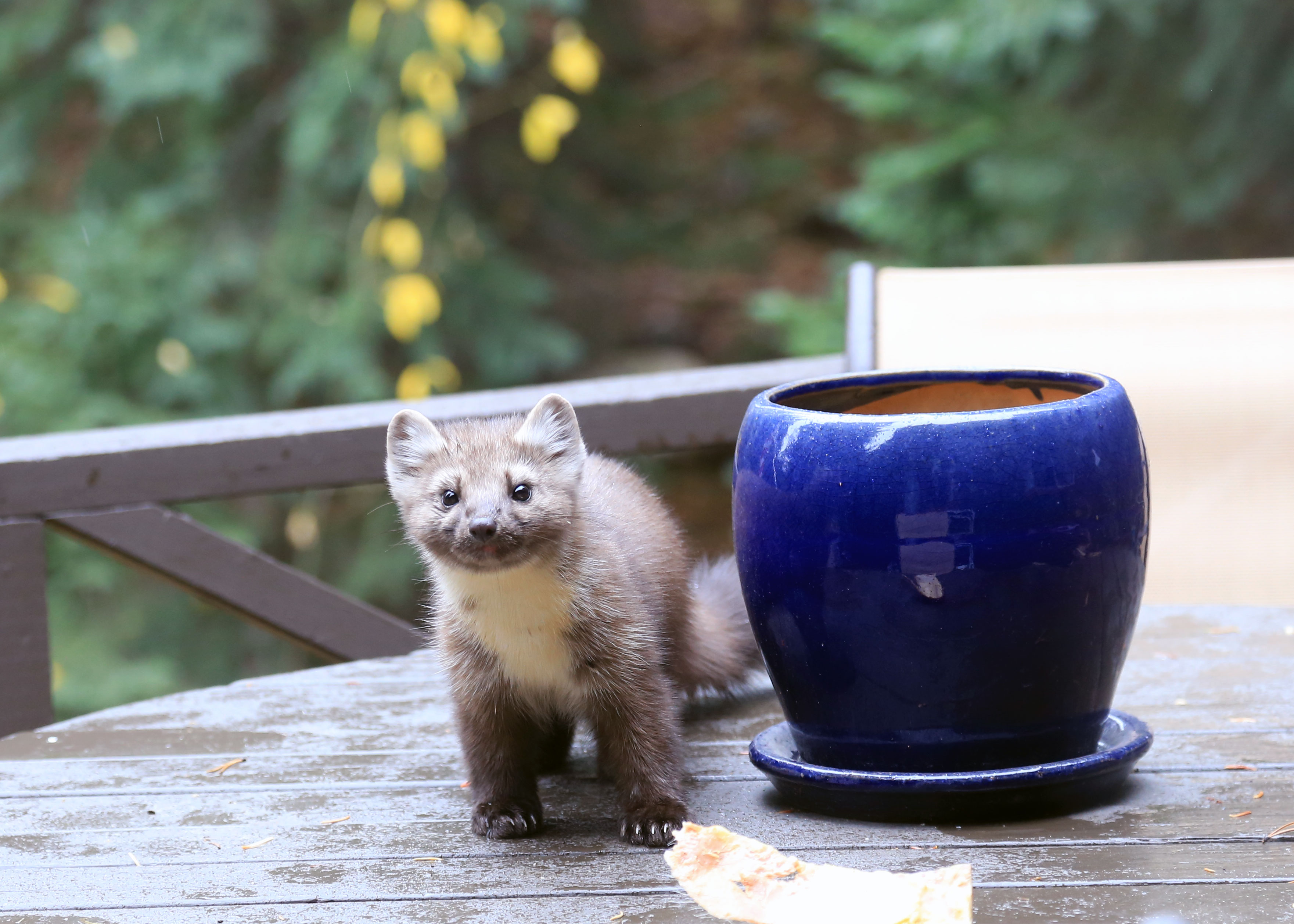 A pine marten in Colorado.
Tone-Deaf Timing
The petition has yielded headlines and action alerts on both sides. Unfortunately, it's overshadowing a collaborative process already underway to update the state’s furbearer regulations.
Stakeholder focus groups were assembled last year using representatives of ranchers, hunters, environmental and animal rights groups. A third-party facilitator helped them produce a series of recommendations to CPW for revising regulations. They can be reviewed in this report.
The report recommends collecting more and better data on furbearer populations, setting harvest limits for four species of potential concern, and requiring more education for trappers and the general public. The report notes the desire of animal rights groups to ban fur sales but notes “these items are matters of personal values more than they are scientific or biological in nature. Middle ground solutions are extremely difficult to find for issues like these.”
A Wide Divide on Trapping for Fur
One reason the Center for Biological Diversity may be submitting its petition for a wildlife fur ban despite conflicting with the recommendations from the working group (which included 50% environmental and animal rights stakeholders) is that they don’t want to compromise on this issue. The processes in place for updating wildlife policy in the state focus on managing for healthy populations using science but haven’t gone their way.
The report notes that the small number of people participating in trapping means that the practice is unlikely to affect the population of furbearing species. The petitioners correctly point out that commercial trade of big game animals was long ago banned to remove the financial incentives for illegal or excessive harvests and try to extend that logic to wildlife fur sales.
The difference is that the market and potential profitability of trapping is low. A 2024 U.S. Fish and Wildlife survey of trappers found that the income from trapping was “not at all important” to 82% of participants.
The working group report gets to the crux of the issue, flagging that animal rights groups oppose commercial fur sales more on moral grounds than how it actually impacts management of these species.
“[The animal rights contingent feels] strongly that banning the commercialization of fur and reducing (if not eliminating) coyote harvest are ways to lift up and institutionalize the high and intrinsic value they see in all animal lives,” the report notes.