 Written by HLRBO Staff|
Last updated
Colorado's archery elk season opens September 2, 2026, onto ground the U.S. Drought Monitor's map valid August 4, 2026 put at 47.10 percent in extreme drought or worse, more than double the 20.30 percent it carried in the same week of 2025. Six other Western states open within about three weeks of it. Five of the seven hold more severe-drought country than they did a year ago.
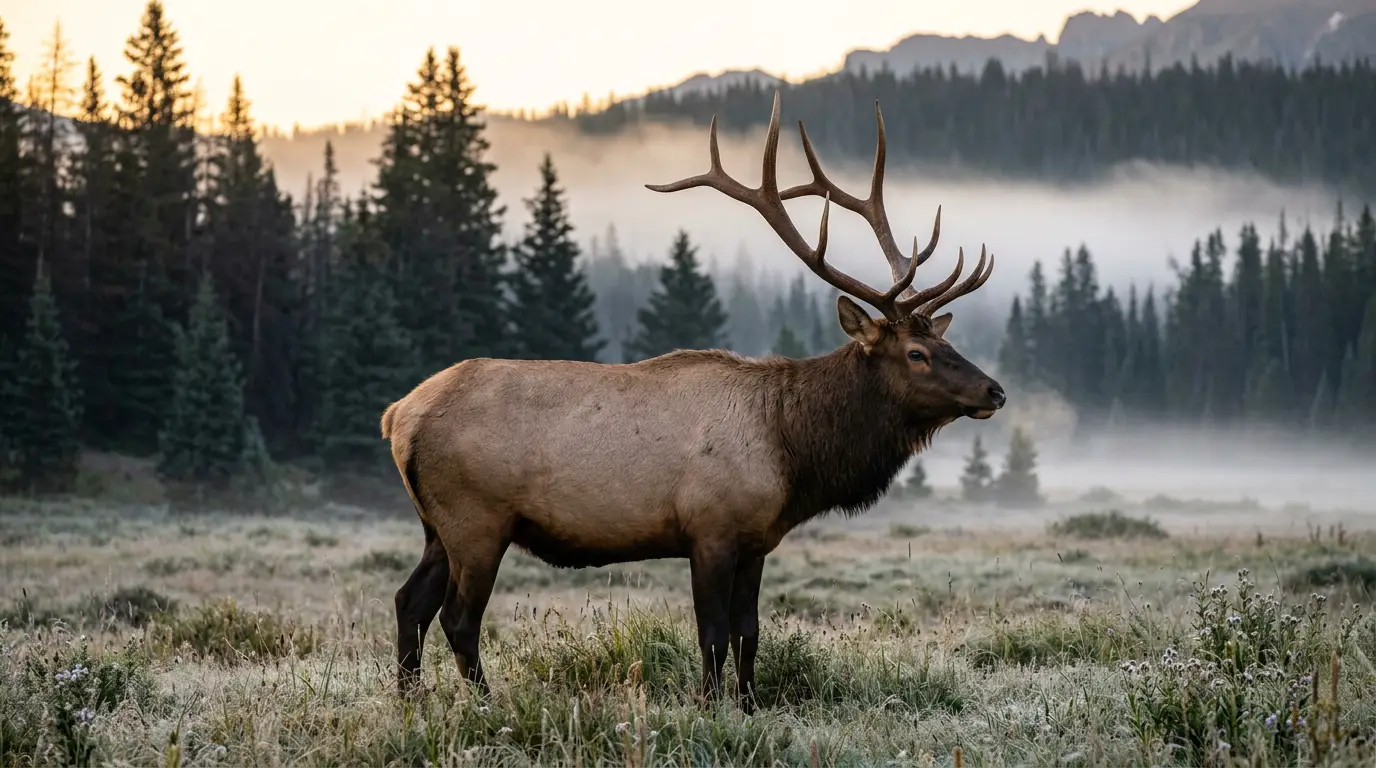
The September openers are the busiest two weeks on the Western calendar, and where the most has changed in two years, both in who can buy a tag and in what the country looks like once the tag is in a pocket. Every date below was checked against the state's adopted regulation.
The Opener Calendar, State by State
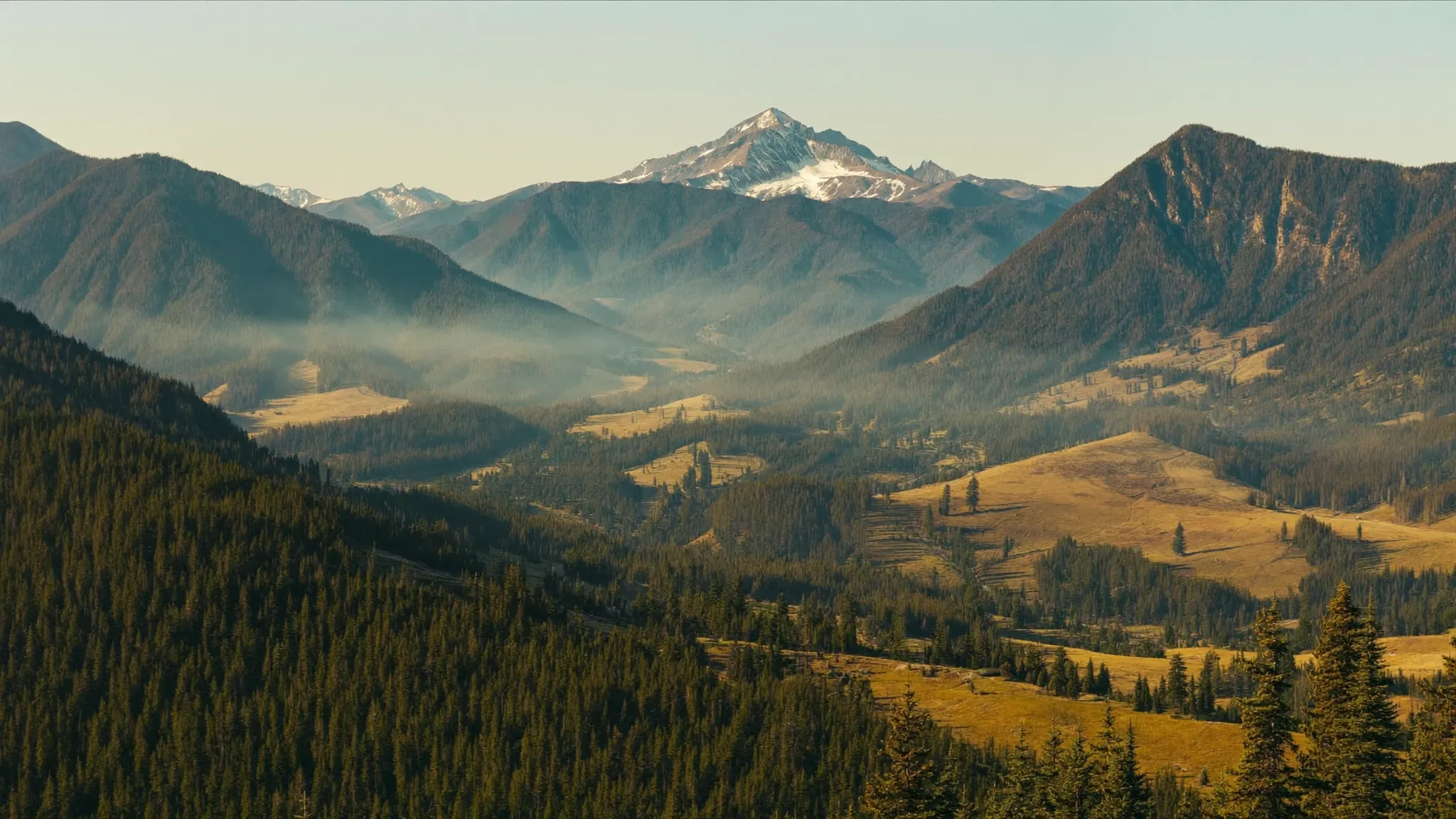
Colorado: archery deer and elk west of Interstate 25 and in GMU 140 run September 2 through September 30, 2026, a 29-day window fixed annually through 2029 by the 2025-2029 Big Game Season Structure. Montana: archery elk and archery deer both run September 5 through October 18, 2026, per Montana Fish, Wildlife and Parks. Idaho: the 2026 Big Game Seasons and Rules brochure puts most general archery deer and A-tag elk zones at August 30 through September 30, 2026. Utah: the Big Game Field Regulations set general-season archery at August 15 through September 11, 2026 for buck deer, September 16 for any-bull elk and September 4 for spike elk. Wyoming: special archery elk seasons open September 1, 2026 across most of the state, per the adopted Chapter 7 elk regulation. New Mexico: bow-only elk hunts run in two blocks, September 1 through 14 and September 15 through 24, 2026, in the 2026-2027 hunting rules. Arizona: the early archery-only bull elk block runs September 11 through September 24, 2026, followed by a late block November 13 through November 26, 2026, alongside a Limited Opportunity archery season that runs September 11 through October 1, 2026, all in the Pronghorn and Elk Hunt Draw booklet.
All seven were confirmed. Utah opens earliest of the group on August 15, 2026, Idaho follows on August 30, 2026, and the remaining five fall between September 1 and September 11, 2026. The caveat is not which states, it is which units. Wyoming's adopted Chapter 7 table lists 103 elk hunt areas, 94 of them carrying a special archery season, and 86 of those 94 open on September 1, 2026. The exceptions are narrow: area 2 opens September 20, 2026, and areas 11, 35, 36, 37, 67, 68 and 69 open September 15, 2026. Most of Wyoming does start September 1, 2026, but the tag governs. Montana varies the same way, and its September 5 through October 18, 2026 span is not universal: hunting districts 150 and 280 run archery September 5 through September 14, 2026 only, and hunting district 316 has no archery-only season at all. Idaho and New Mexico shift by unit as well. A statewide date is the common case, never the rule.
The Tag Got Harder to Buy Before the Country Got Harder to Hunt
Colorado is the change most often remembered wrong. Resident over-the-counter archery elk survives, with the season structure allowing unlimited either-sex, antlered and antlerless archery elk licenses for residents in certain units. Nonresidents lost that option west of I-25 and in GMU 140, where the same document makes their archery elk licenses limited and issued by unit. Archery deer is limited for everyone.
Idaho made a comparable move, and it is newer. The 2026 brochure states plainly that "beginning with the 2026 season, nonresident general season deer and elk tags were issued through a random draw process." Residents still buy general elk tags first-come, first-served. Montana and Wyoming run the same shape, with residents buying over the counter while nonresidents draw, in Montana from a combined 17,000-license quota and in Wyoming under a Chapter 44 allocation that offers nonresidents 16 percent of the limited-quota elk licenses in the initial drawing. That 16 percent is narrower than it sounds. It governs limited-quota licenses only, not Wyoming's region general elk licenses, which carry quotas of their own at 1,000 in the Eastern region, 1,050 in the Southern and 2,775 in the Western.
Utah is the outlier for an archer. Its general-season archery elk permits, spike and any bull alike, are not limited in number, and they went on sale July 7, 2026. Utah's other weapon types are permitted on their own terms and their own sale dates, so July 7, 2026 is the archery date and not a blanket one. Arizona sits at the other end: elk is draw-only, and the one over-the-counter big game tag it does sell, the archery deer nonpermit-tag, was capped at 2,785 for nonresidents and is listed as sold out. New Mexico is draw-only on public ground, and its only unlimited over-the-counter elk license is a private-land one, issued in the secondary management zone with a registered landowner's ranch code and valid only with that landowner's written permission in hand.
The Driest Run-Up in Years
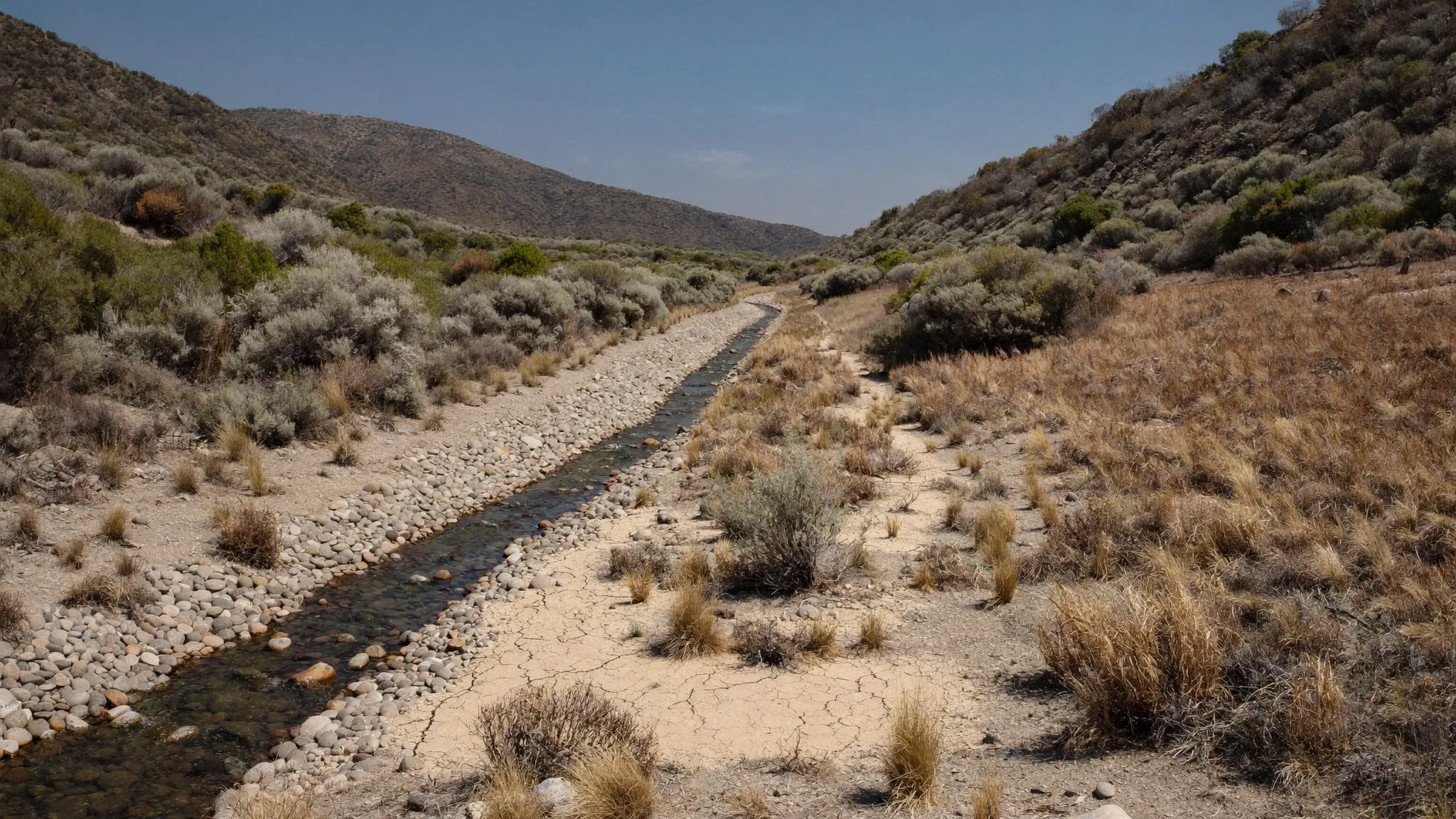
Drought across these seven states is deeper than it was a year ago, and it has kept deepening week over week through August 2026. Every figure that follows comes from a single release, the U.S. Drought Monitor map valid August 4, 2026. On that map Utah stood at 100 percent in moderate drought or worse and 93.44 percent in severe drought or worse. Wyoming was at 99.65 and 78.74, New Mexico at 93.08 and 77.65, Colorado at 90.95 and 78.43, Arizona at 89.27 and 47.61, Idaho at 77.54 and 61.04. Montana was the least dry at 49.29 and 17.19. Averaged across the seven, moderate-or-worse coverage sat at 85.7 percent against 72.7 percent in the same week of 2025, and Montana and Arizona were the only two that improved. The Monitor reissues every Thursday, so read those decimals as the August 4, 2026 snapshot they are and pull the current map before you commit to a drainage.
Travis Black, manager of Colorado Parks and Wildlife's Northwest Region, described the run-up at a Grand Junction roundtable on July 28, 2026 as "the combination of extreme drought, kind of a historically low pack or low snowpack, early snow melt that we had, that kind of early runoff." That sequence matters more to a bowhunter than the headline percentage, because it pulls water off the mountain ahead of the rut rather than during it.
What dry does to elk is concentration, not disappearance. Arizona Game and Fish puts the mechanism in one line: "Fewer water sources cause wildlife to congregate in singular locations, increasing the risk of predation and spread of disease." For a September archer that reads as opportunity and as crowding at once, because every hunter with a map is working the same shrinking set of springs, tanks and wallows. The National Interagency Fire Center's outlook issued August 1, 2026 reports more than 6 million acres burned nationally as of July 31, 2026, or 165 percent of the ten-year average, and forecasts above-normal September fire potential across northern Utah, Idaho and northern Montana.
Five Closures Signed, Four That Reach the Season
These are signed area closure orders, not campfire restrictions. Colorado has three. The Willow Fire closure on the Pike-San Isabel's Leadville Ranger District shut National Forest land in Lake County from July 30, 2026, and a reduced follow-on order, 02-12-01-26-33, took over the smaller footprint from August 10 through September 30, 2026. The Gold Mountain Fire closure on the Ouray Ranger District, order 02-04-06-26-17, runs July 2 through October 1, 2026. The third, the Aspen Acres Fire closure on the San Carlos Ranger District, order 02-12-03-26-32, is written to expire August 31, 2026 at 11:59 p.m., which is two days before Colorado's September 2, 2026 opener. Unless the district extends it, that ground is open again before the season this piece is about begins, and only the Leadville and Ouray orders still bite. Check the alert page anyway, because an extension would change that.
Utah's sits squarely on the archery calendar. The Widemouth 2 Fire closure on the Fillmore Ranger District of the Fishlake National Forest, order 0408-26-14, took effect August 4, 2026 at 5 p.m. and runs through October 31, 2026, closing every road and trail inside it. Idaho's runs longest: the Claremont Fire closure on the Boise National Forest's Mountain Home Ranger District, order 0402-01-119, July 8 through December 31, 2026. Stage 1 and Stage 2 fire restrictions are far more widespread, but a restriction limits what you can do on the ground rather than whether you can stand on it.
What Private Ground Actually Does Here
The West is public-land country and any honest account of a September elk hunt starts there. Federal agencies manage roughly 63 percent of Utah, 62 percent of Idaho and 47 percent of Wyoming, in the Congressional Research Service's February 21, 2020 edition counting acreage as of September 30, 2018, and that is where the overwhelming majority of these tags will be filled. Ryan Callaghan, president and chief executive of Backcountry Hunters and Anglers, made the case for funding that ground in a July 14, 2026 release: "Conservation isn't something you declare; it's something you fund, staff, and carry out every single day."
Private ground does a narrower job. It holds water when the small public springs go first. It reaches parcels that are landlocked or awkward off a county road. In New Mexico it is the only route to an unlimited elk license at all. Outfitted access does similar work for hunters who want the logistics handled, and in the draw-only states it is often the fastest way onto quality ground. Kale Watson, an administrative assistant with Colorado Parks and Wildlife's Habitat Partnership Program, framed the point this way: "Oftentimes the importance of private lands goes unrecognized, but landowners play a critical role in sustaining and recovering the abundant wildlife populations on the habitat they own and manage."
The scale is small. Across these seven states our own marketplace data shows 79 available private-land properties carrying an elk hunting type, 70 of them open to archery, concentrated in Colorado at 46 and thinning to three in Utah and none in Arizona. Against tens of millions of federal acres that is a complement, not a substitute, useful mainly when a unit is crowded, a spring is dry or a closure order lands on the drainage you scouted in June.
Two dates are worth watching. The Drought Monitor updates every Thursday, and the next NIFC outlook lands September 1, 2026, two days after Idaho's general archery season opens on August 30, 2026 and one day before Colorado's September 2, 2026 opener. Wherever you are headed, check hunting land available to lease the same week you check the closure map, and see more seasonal hunting coverage while you compare. Landowners next to a closed unit can list it.