 Written by HLRBO Staff|
Last updated
Pennsylvania game wardens spent more than a decade walking past locked gates and no-trespassing signs onto two Clearfield County hunting clubs, and on July 21 the state Supreme Court told them, 7-0, that the next visit requires a warrant. One warden left a surveillance camera running on club ground for 78 days without ever asking a judge. On posted private land in Pennsylvania, the court held, that era is over.
The ruling in Punxsutawney Hunting Club v. Pennsylvania Game Commission ends a century of open fields doctrine on posted land in the state. Writing for a unanimous court, Justice Kevin Brobson overturned Pennsylvania's own 2007 precedent, Commonwealth v. Russo, which had let the federal "open fields" doctrine control state searches. "We conclude that slavish adherence to our decision in Russo must give way to the greater privacy and property protections afforded under Article I, Section 8 of our state charter," Brobson wrote, adding that the court's "reasoning and result in Russo have not aged well."
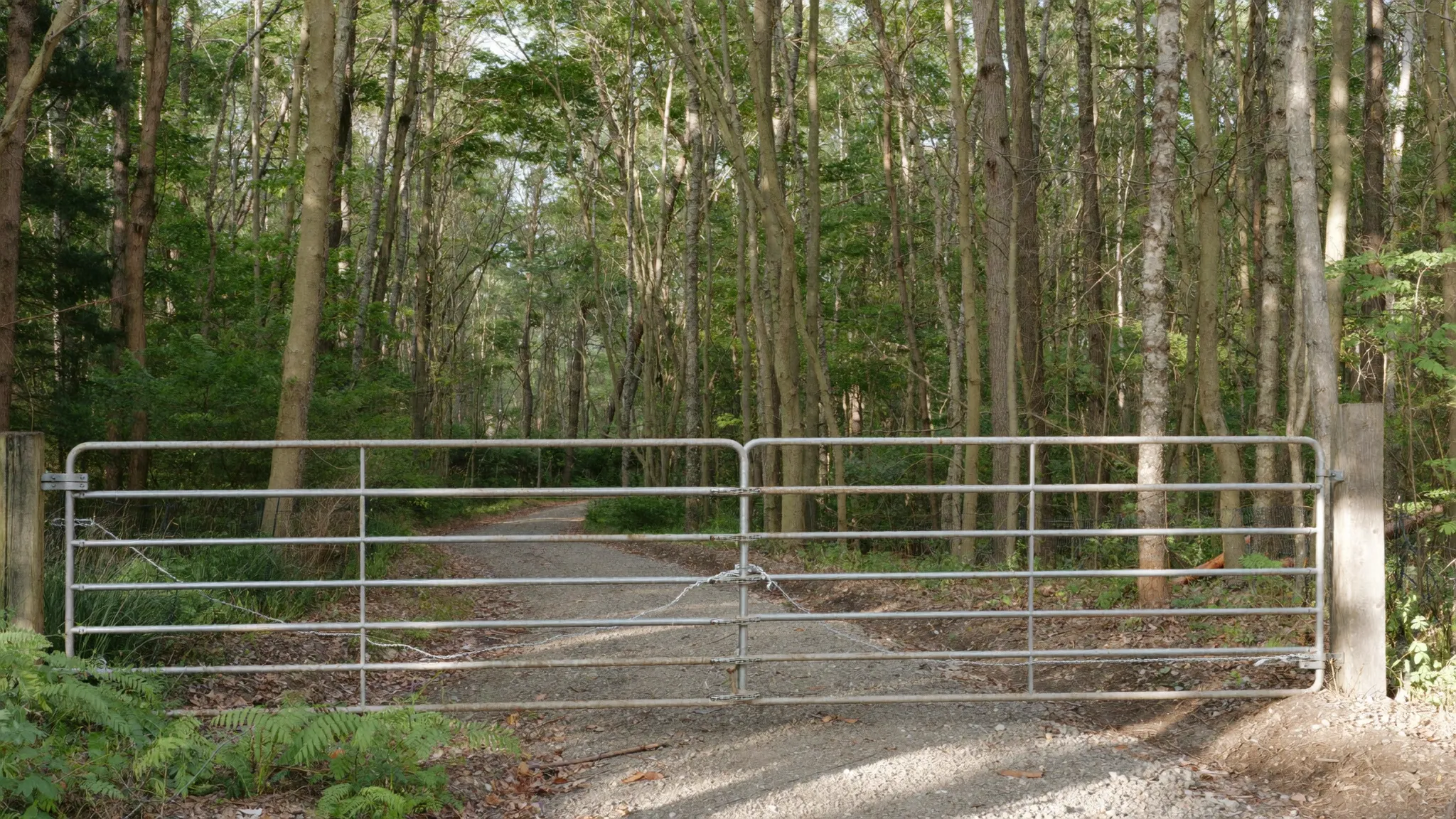
The facts behind the case read like a scouting journal kept by the wrong party. The Punxsutawney Hunting Club owns 4,400 acres in Clearfield County; the neighboring Pitch Pine Hunting Club owns 1,100 more. Both properties are fenced, gated, marked with purple paint, and posted against trespassing. By the clubs' count, state game wardens entered anyway at least 22 times between 2013 and 2021. In 2013, a wildlife officer spent several days watching a Pitch Pine member and his guests over a suspected bear-feeding violation and left without citing anyone. On Punxsutawney ground, Reason reported, warden Mark Gritzer left a trail camera running on club ground for 78 days, without consent or a warrant, hoping to build a case over illegal elk feeding. One of the few citations that ever came out of the entries went to a hunter whose license was in his truck instead of his pocket.
"We feel like we're invaded," Frank Stockdale, president of the Punxsutawney club, told Outdoor Life while the case was pending. "We see game wardens on bicycles and in their trucks on our private property, which is completely gated and has no trespassing signs around the property." The clubs sued in 2021, represented by the Institute for Justice, challenging the Game and Wildlife Code provisions that authorized the entries. After the win, Stockdale called it "a victory for all landowners in Pennsylvania. Generations of members have come to this club to relax, to bond, to laugh, and to find peace." Pitch Pine president Jeff Fink was blunter: "For years, the Pennsylvania Game Commission has acted as if it's above the law, invading our land and spying on our members whenever it pleases."
The hinge of the decision is a single word. The Fourth Amendment protects "persons, houses, papers, and effects." Pennsylvania's Article I, Section 8 protects "possessions," and the court concluded that "possessions," historically read, includes land itself. The practical rule: where an owner demonstrates a reasonable expectation of privacy, through no-trespassing signs, purple boundary paint, fencing, or locked gates, wardens must get a warrant based on probable cause or meet a recognized exception, such as an emergency. Unposted, unbounded rural land is still fair game. The decision is final; there is no appeal from a state supreme court's reading of its own constitution.
A century of open fields, and the states now closing them
The doctrine Pennsylvania just walled off dates to 1924, when Justice Oliver Wendell Holmes wrote in Hester v. United States that the Fourth Amendment's protection "is not extended to the open fields." The Supreme Court reaffirmed it in Oliver v. United States in 1984, holding that no expectation of privacy legitimately attaches to open fields, even posted ones. The reach of that rule is easy to underestimate. A 2024 study by Institute for Justice attorney Joshua Windham and analyst David Warren, published in the Cato Institute's Regulation, estimated that roughly 96 percent of all private land in the country, nearly 1.2 billion acres, sits outside the federal warrant requirement. Everything beyond the yard around your house.
States are peeling away one constitution at a time. Vermont, Montana, New York, Oregon, and Washington had already extended stronger protection under their own constitutions, per Reason's survey of the case law. Tennessee joined them in 2024, after Benton County landowners Terry Rainwaters and Hunter Hollingsworth found hidden cameras that Tennessee Wildlife Resources Agency officers had planted on their farms. The state Court of Appeals ruled the searches unconstitutional under Tennessee's "possessions" clause, and the agency declined to appeal. Virginia is the live wire: after wardens walked onto Josh Highlander's posted land and carried off his trail camera, a circuit judge threw his case out, but the Virginia Court of Appeals revived key claims in April 2025 and sent them back down. Similar challenges are pending in Alabama and Louisiana, Outdoor Life reports. In most of the other states, Hester still governs, and a warden generally can come onto private property without a warrant.
The strongest case for the wardens
The Game Commission did not lose for lack of an argument, and the argument deserves its full weight. In the lower court, the commission contended that wildlife is a public trust the state is constitutionally obligated to protect, that hunting is a heavily regulated activity whose participants accept oversight, and that wardens cannot manage game they cannot reach. The Commonwealth Court agreed in 2023, holding that landowners had no reasonable expectation of privacy in posted open fields where wildlife enforcement was concerned.
The math behind that position is real. The commission manages 480 wild species across 46,000 square miles, and roughly 84 percent of Pennsylvania is privately owned. Work that out and the state's warden force is responsible for game laws on something like 25 million private acres, a territory where the two clubs' combined 5,500 acres amounts to about two hundredths of one percent. Poaching mostly happens where nobody official is watching; Outdoor Life cites estimates that 95 percent of poaching violations nationally go undetected. If a deer is shot over bait at 2 a.m. on posted ground, the evidence is gone long before a judge signs anything. That is the honest cost of this ruling, and agencies in every state that has litigated the question have said some version of it.
The court's answer, and Tennessee's before it, is that the cost does not excuse the shortcut. Wardens keep warrantless access to the unposted majority of rural land, keep the emergency exception, and keep every tool ordinary police use against crimes committed behind fences, which is to say probable cause and a judge. Windham argues the trade is smaller than agencies claim: the Institute for Justice found no evidence in Tennessee or Pennsylvania that warrantless entry was actually driving conservation outcomes, and Tennessee's seasons have opened and closed twice since Rainwaters without collapse. For its part, the commission is not promising resistance. "While we are disappointed in the outcome of this case, the Pennsylvania Game Commission respects the court's decision," the agency said in a statement, adding it is "fully confident" its officers will enforce the law "within these new constitutional standards."
What posted means now, and why leased ground was always different
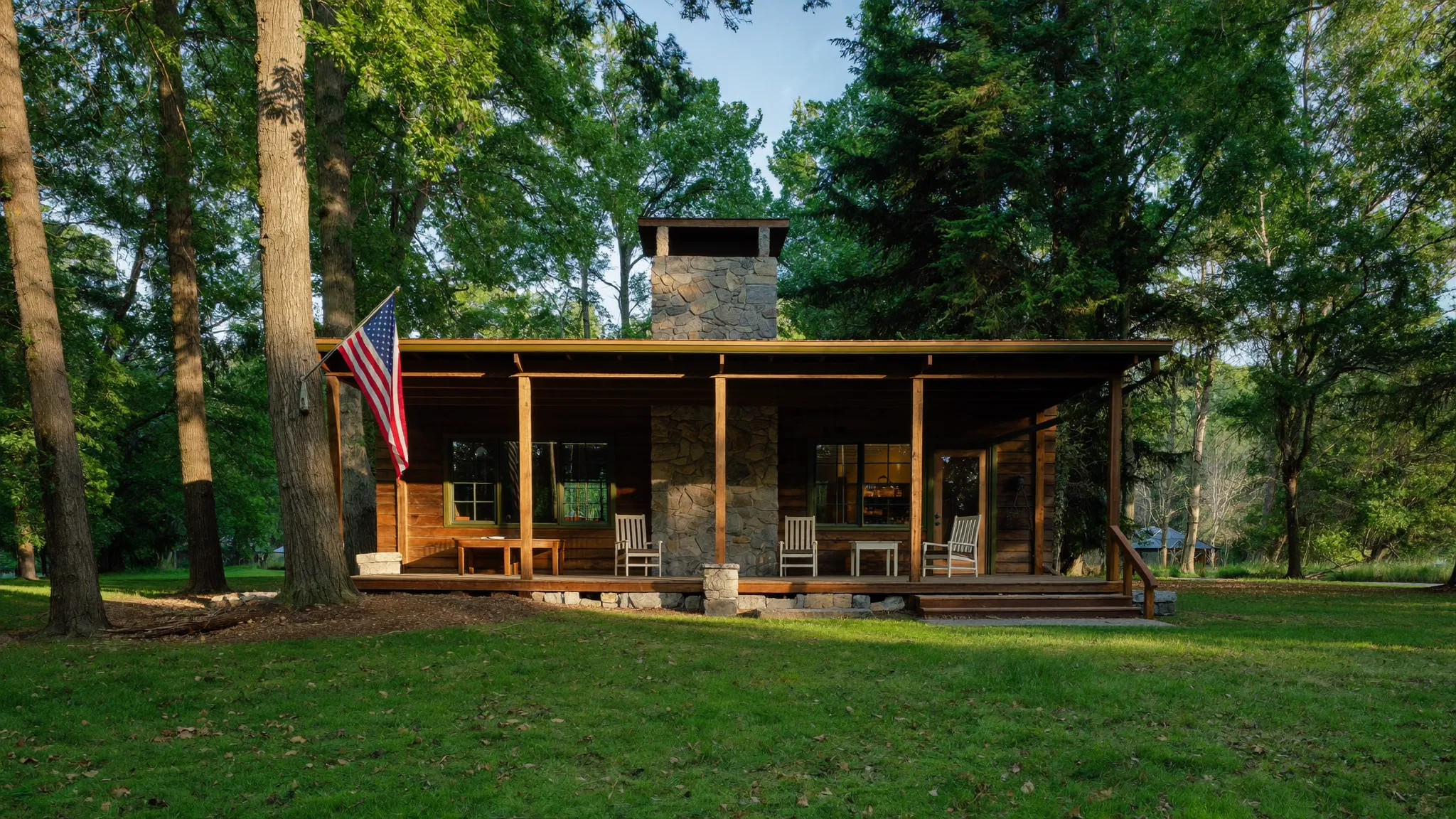
For Pennsylvania landowners, the ruling converts posting from a courtesy into a constitutional trigger. Signs, purple paint, a fence, a locked gate: each is now evidence of a privacy expectation that puts a warrant between your property line and the state. For hunters on leased ground, nothing about game law compliance changes, but the lease itself does more work than it did on July 20. The rule that actually governs your season is still your state's, and outside the handful of states named above, the 1924 default still applies. Wherever you hunt, it is worth knowing which side of that line your ground sits on.
It is no accident the plaintiffs were hunting clubs. The entire private-land hunting economy runs on the principle the court just ratified: the owner decides who comes through the gate. A hunting lease is that decision made in writing, the landowner naming, in a signed agreement, exactly who is welcome, when, and for what. On HLRBO, landowners currently make that decision across more than 6,200 listings covering 1.5 million acres, which works out to an average of about 240 acres per listing, every one governed by an owner's explicit, documented consent. Pennsylvania's court did not invent that principle. It just extended it to the state.
The camera warden Gritzer left on Punxsutawney ground ran for 78 days on nothing but the commission's own say-so. The next one, on any posted acre in Pennsylvania, starts with a judge's signature.