 Written by HLRBO Staff|
Last updated
The U.S. Supreme Court declined on October 20, 2025, to hear Iron Bar Holdings v. Cape, leaving in place a 10th Circuit ruling that stepping corner to corner between public parcels, without touching private land, is not trespass. Nine months later, the ripples are still spreading, from a Montana courtroom to the Oregon statehouse.
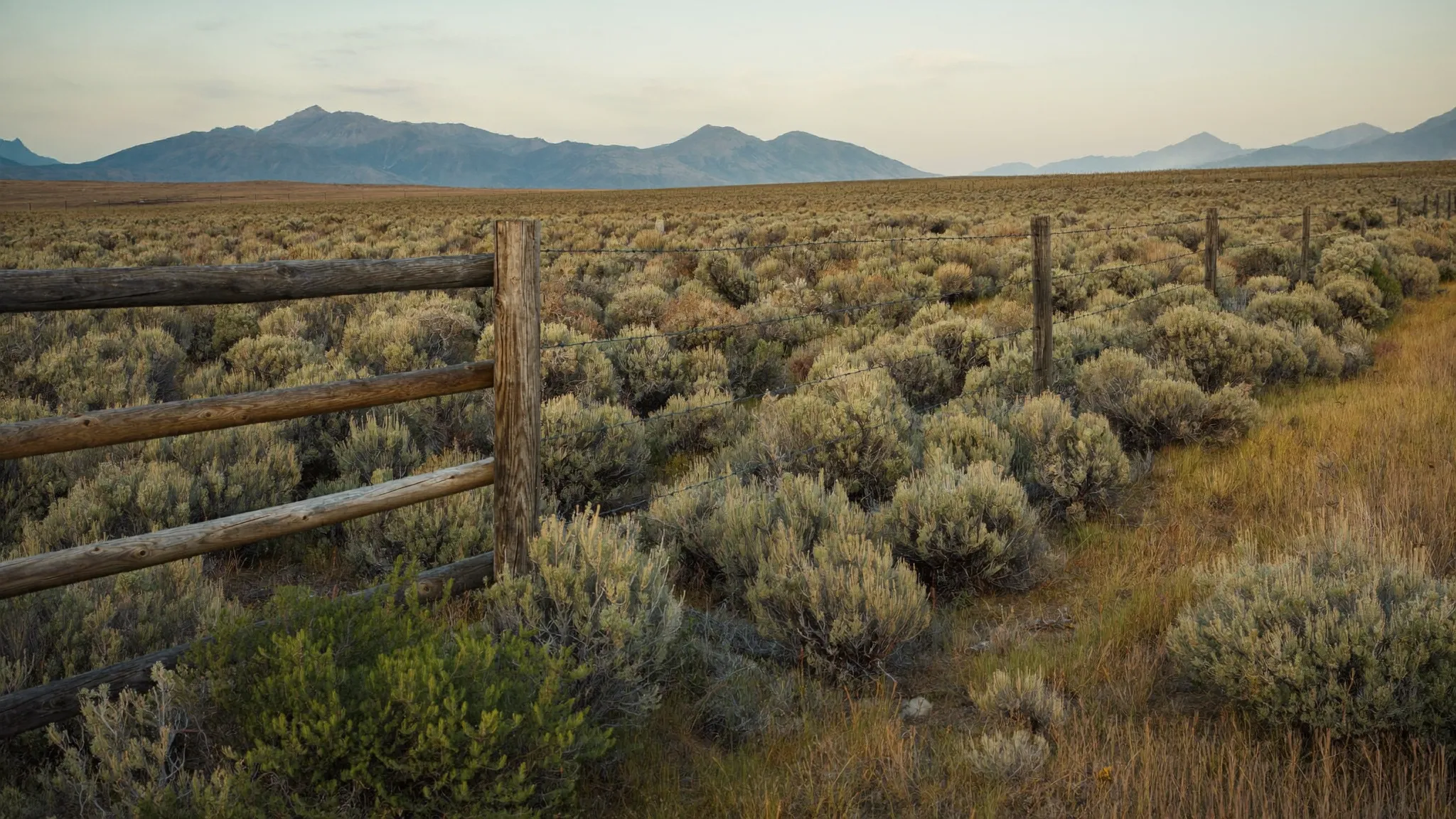
The denial means the 10th Circuit's unanimous March 18, 2025, decision is now settled law across Wyoming, Utah, Colorado, New Mexico, Kansas, and Oklahoma. The appeals court held that the Unlawful Inclosures Act of 1885, a federal statute barring landowners from fencing the public out of public land, overrides state trespass claims when someone crosses at a shared corner without setting foot on private ground. By onX's estimate, that opens roughly 3 million acres of corner-locked public land within those six states.
The case started with four Missouri hunters who used a ladder to step across a checkerboard corner at Elk Mountain Ranch in Carbon County, Wyoming, on their way to public elk ground. Ranch owner Fred Eshelman's company, Iron Bar Holdings, sued for civil trespass, claiming the crossings diminished his property's value by millions of dollars. He lost at the district court, lost at the 10th Circuit, and the Supreme Court's pass was the end of the road.
The landowner side of the fence
Landowners' concerns here are not manufactured. Eshelman argued the hunters trespassed the moment they passed through the airspace above his property, a right Wyoming law had long seemed to protect. His attorneys called the ruling "one of the broadest abrogations of private property rights in American history," and the Wyoming Stock Growers Association and United Property Owners of Montana backed his petition with amicus briefs.
There are practical worries too. A survey corner is a point, not a path, and access advocates themselves urge caution: a boot that lands on private ground is still trespass. Oregon's Senate Bill 1545 paired corner-crossing protection with explicit immunity for landowners from liability for people crossing near their property. The bill died in mid-February when it failed to advance before the short session's deadlines, but that pairing is a signal lawmakers are hearing both sides, and the issue is not going away.
What it means outside the 10th Circuit
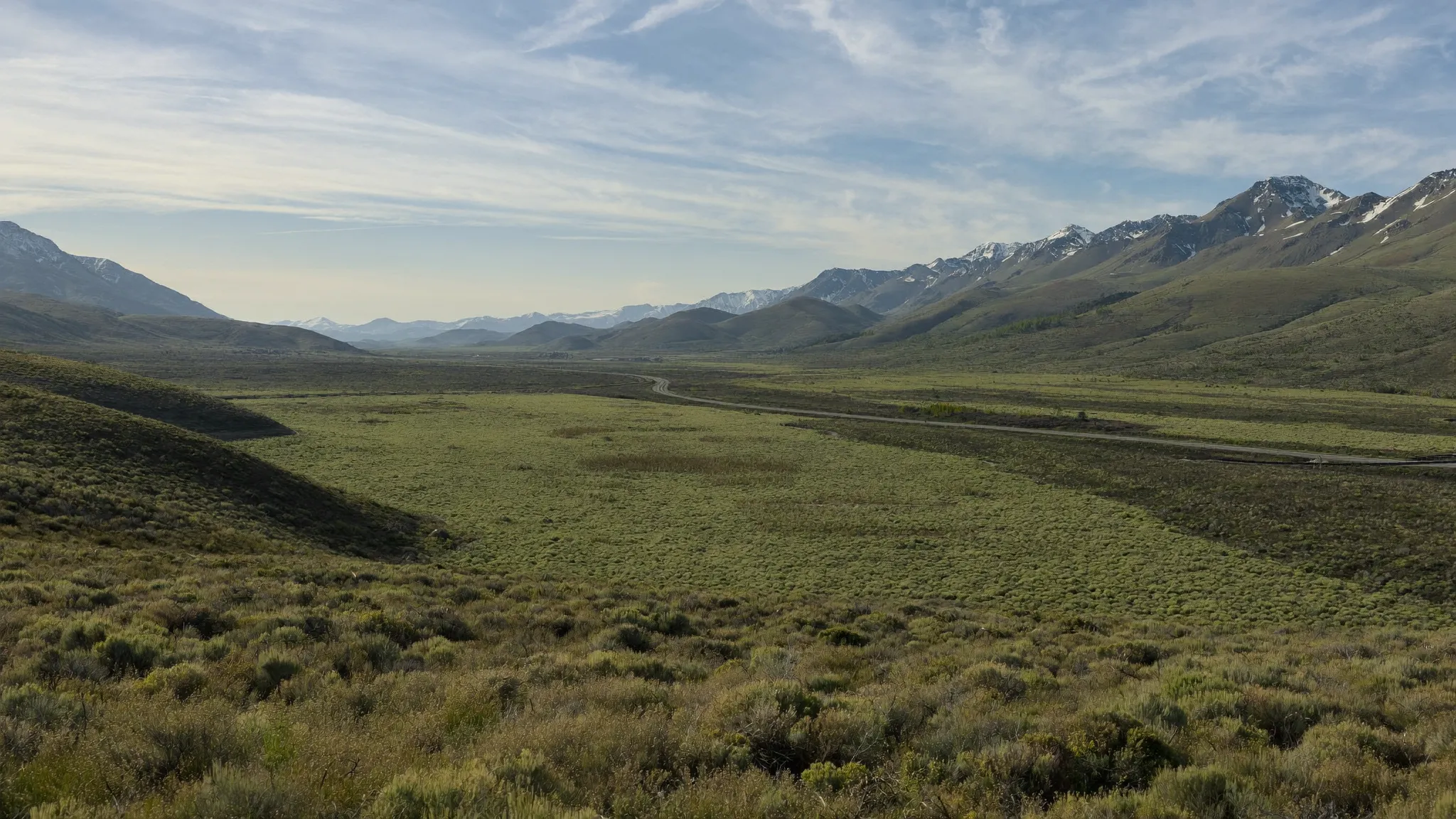
The ruling binds only six states, but onX counts about 8.3 million acres of corner-locked public land across the West, meaning more than half sits in states where the question is still open. Courts elsewhere are not required to follow the 10th Circuit, but a unanimous federal appellate opinion the Supreme Court let stand is persuasive precedent, and the tests are already coming.
In Montana, the state chapter of Backcountry Hunters & Anglers and the Public Land/Water Access Association filed suit on May 14, 2026, against the state's position that corner crossing is trespass, with roughly 871,000 acres at stake. Expect more statehouses and courtrooms to take this up before the question is settled nationwide.
Where HLRBO fits
Whichever way access law shifts in your state, private leasing remains the surest way to know exactly where you stand. HLRBO's lease agreements put boundaries and permissions in writing for hunters and landowners alike, so nobody's season rides on a survey pin. Find a lease or subscribe to become an HLRBO member here.