 Written by HLRBO Staff|
Last updated
The Farm Service Agency announced on July 7 that it accepted 2.2 million of the nearly 2.5 million acres offered in this year's Conservation Reserve Program signups, which means roughly 300,000 acres that landowners offered to idle in exchange for a federal check just got told no.
The July 7 announcement covers results from all three of 2026's enrollment windows. The General signup ran March 9 through April 17, Continuous ran February 12 through March 20, and Grassland ran May 4 through May 29. Nebraska, Colorado, and South Dakota took the top three slots for accepted acres. "The Conservation Reserve Program continues to demonstrate the strength of voluntary, producer-led conservation across the country," FSA Administrator Bill Beam said in the release.
The squeeze was predictable. CRP is capped by statute at 27 million acres for fiscal year 2026, and FSA reported 26.2 million acres already enrolled when the Grassland window opened in late April. "We're still very close to the 27-million-acre statutory cap with 1.9 million acres available for all CRP enrollments this fiscal year," Richard Fordyce, USDA's Under Secretary for Farm Production and Conservation, warned back in February when the signup dates were announced, "so enrollment is likely to be competitive." He was right.
More Than 800,000 Acres Standing Outside the Fence
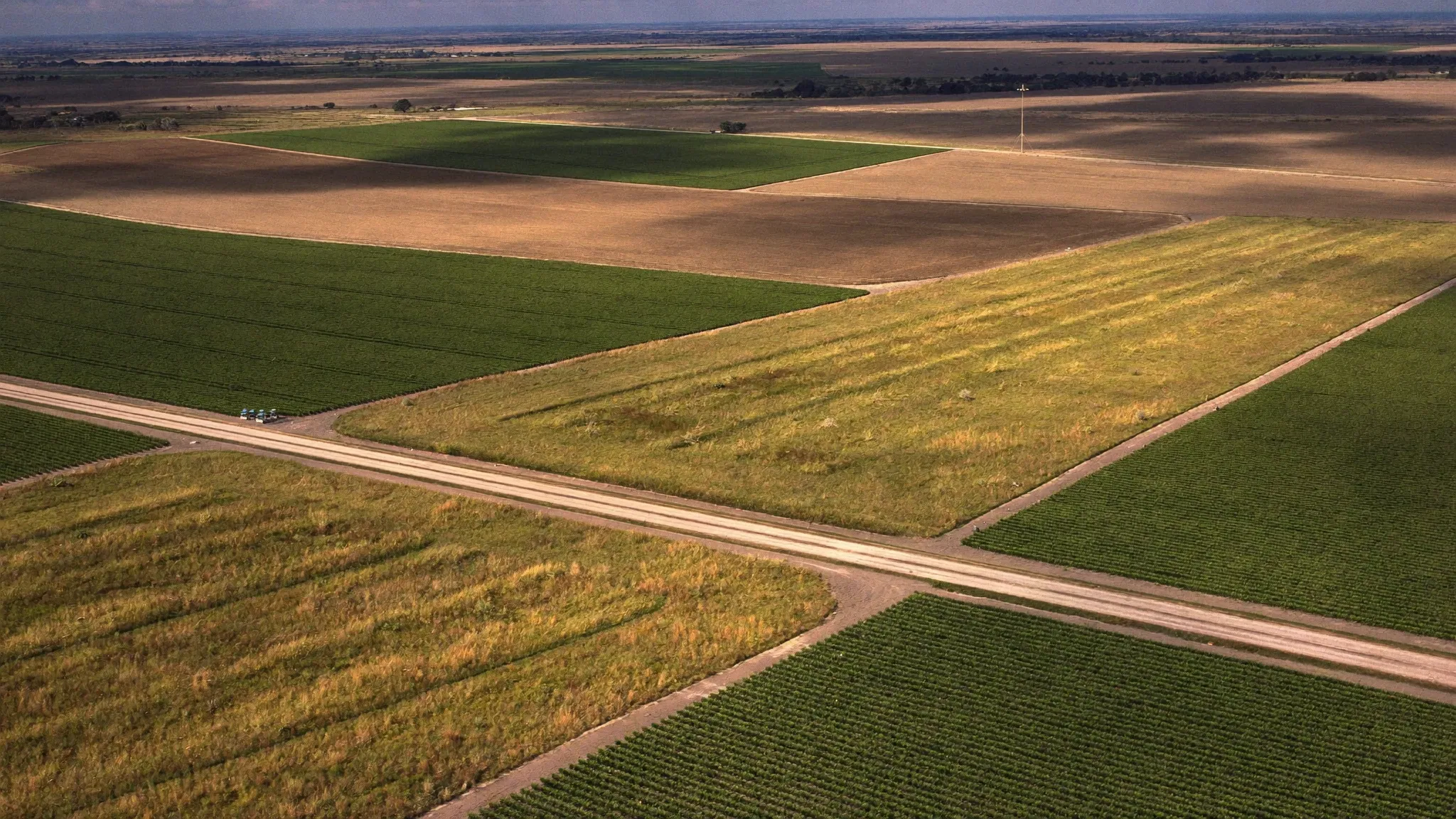
Run the release's own numbers a little further than the release does. About 1.5 million acres of existing CRP contracts expire September 30. Owners of just over 982,000 of those acres submitted re-enrollment offers, which means owners of roughly 518,000 expiring acres did not even ask to stay. Add the approximately 300,000 offered acres that FSA turned away, some of it long-standing habitat re-bidding for a new contract and some of it ground that never got in, and more than 800,000 acres will be standing outside the program this fall.
The expiring ground does not revert to bare dirt on October 1. Those roughly 518,000 acres walking out have spent a decade or more under contract, growing into native grass stands, shrub thickets, and field borders, which is precisely the cover that holds pheasants, quail, whitetails, and nesting waterfowl. The conservation math changes overnight. The habitat does not.
The owners of those acres are deciding right now what that cover earns next. Bid again next year and eat a season of zero rental income. Break the sod and put it back into crops. Or find revenue that leaves the habitat standing.
The Farm Economy Is Not Offering an Easy Answer
The default alternative for idle ground, renting it to a farmer, is getting cheaper across much of the Corn Belt. The Federal Reserve Bank of Chicago's May 2026 AgLetter reported that Seventh District cash rents fell 3 percent for 2026, their second consecutive annual decline after increases every year from 2021 through 2024.
Farmland values are holding up better but splitting by state. District values rose 3 percent year over year through April 1, with Indiana up 8 percent and Wisconsin up 7 percent while Illinois fell 2 percent. A landowner in Indiana at least has appreciation for consolation. A landowner in Illinois is watching rent and value soften at the same time. Either way, the acre that just got bounced from CRP was rarely the acre commanding top row-crop rent in the first place. Marginal, brushy, wet, or oddly shaped ground is what the program was built to absorb, and it is what the market prices worst as cropland.
What a CRP Check Pays Next to a Hunting Lease
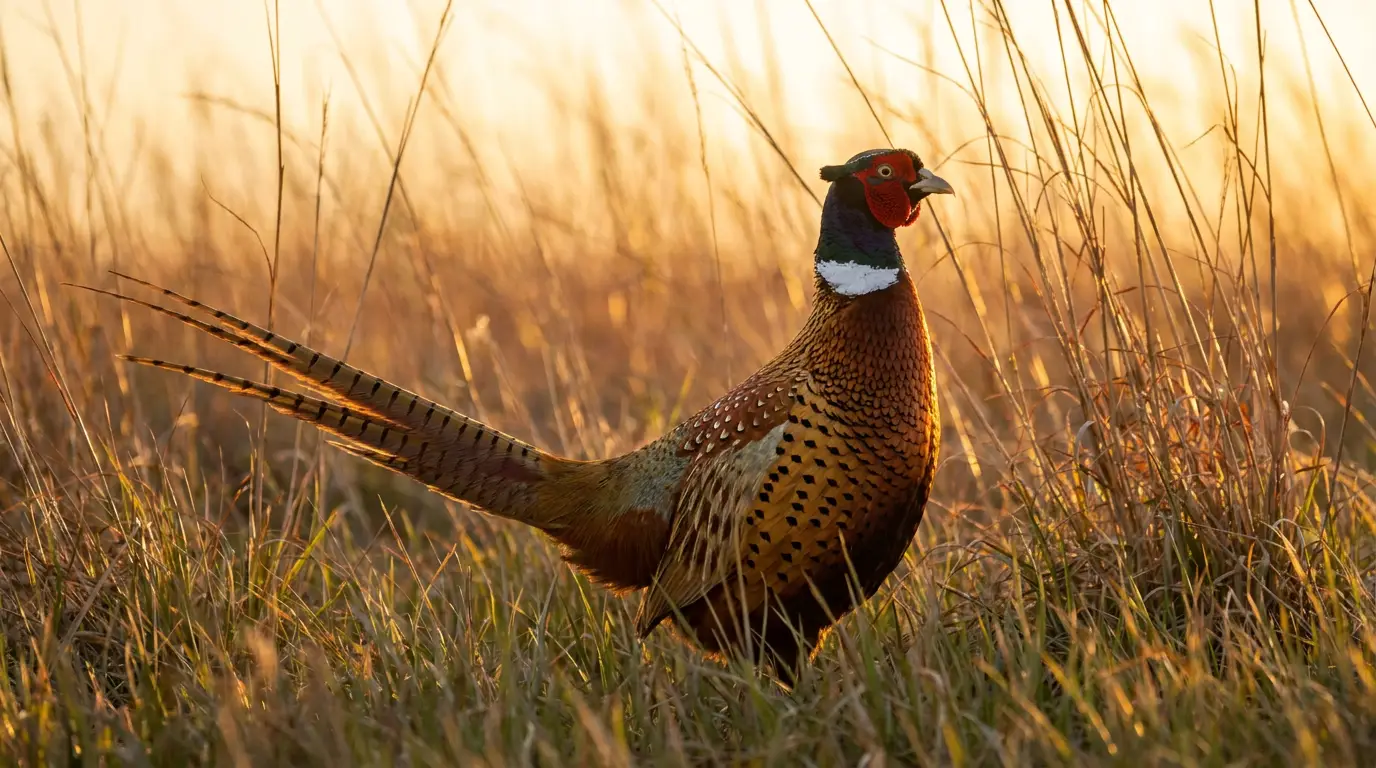
Here is a comparison no agency publishes side by side. FSA enrollment data from earlier this year, reported by DTN, puts average CRP rental payments in the three states that led 2026 acceptance at $23.77 per acre in Colorado, $39.85 in Nebraska, and $55.31 in South Dakota. For market context, Forest Resource Consultants' 2026 hunting lease pricing guide benchmarks hunting leases at $5 to $50 or more per acre per year nationally, with Midwest ground running $15 to $75 and up and West and Mountain states running $5 to $30.
Set those next to each other. In Colorado, a lease near the top of the western range clears the state's $23.77 average CRP check. In Nebraska, a well-marketed lease on quality habitat can clear the CRP average. In South Dakota, the average CRP payment outruns most published lease benchmarks, which goes some way toward explaining why the signup there was so crowded.
Be straight about what that comparison does not capture. A CRP payment is contractual, guaranteed by the federal government for 10 to 15 years, and arrives whether or not anyone ever walks the property. A hunting lease is a market price that varies county by county with habitat quality, access, game populations, and local demand, and none of the ranges above is a promise of what any particular property earns. The two are also not always either-or, since hunting is generally permitted on enrolled CRP ground and landowners can often lease access on top of the federal payment, a detail worth confirming with the county FSA office before signing anything.
But for the owner of rejected acres of standing switchgrass, the relevant fact is simpler. Leasing hunting access is one of the few income options on the table that does not require breaking the habitat to collect. The cover that made the ground a competitive CRP bid is the same cover a hunter is paying for.
The conservation groups closest to the program read the squeeze as proof of demand, not a problem solved. "This year's CRP signup results are a testament to the continued demand from farmers and ranchers for conservation opportunities that work for their operations," said Andrew Schmidt, director of government affairs for Pheasants Forever and Quail Forever, in the organizations' July 7 statement, which called CRP "a cornerstone of the farm safety net" going back more than 40 years. The statement does not say what the owners of the acres that did not fit should do next. That part is on the landowner.
The August Numbers Will Sharpen the Picture
Two federal reports land within weeks. USDA's National Agricultural Statistics Service publishes its annual Land Values summary and state-level cash rent estimates around August 1, with county-level cash rents following in late August. Those county numbers are the ones that let a landowner price an individual farm rather than a region, and they will show whether the Chicago Fed's two-year rent slide extends beyond the Corn Belt into the Plains states where most of this year's CRP action happened.
Until then, the standing fact from July 7 is this: the federal government's biggest habitat rental program is effectively full, and several hundred thousand acres of wildlife cover are on the outside of it. For landowners weighing what those acres earn next, HLRBO lists hunting leases across the country.