 Written by HLRBO Staff|
Last updated
If you hunt Michigan's Lower Peninsula, you've probably already had the conversation with your buddies: can we put out corn this fall, or not? For now the answer is still no, but that could change, and the debate behind it is one deer hunters across the country have a stake in.
Earlier this year, the Michigan House passed House Bill 4445, which would lift the Lower Peninsula's deer-baiting ban and roll back related feeding restrictions during open seasons. The bill cleared the House 66-44 on February 4 and now sits with the state Senate. Michigan's Department of Natural Resources opposes the measure. Its objection isn't baiting itself so much as the change coming from the legislature rather than the Natural Resources Commission, which normally sets those rules.
Michigan is just the latest flashpoint. Wildlife agencies across North America are all working the same problem: how to slow chronic wasting disease without leaning on hunting traditions any harder than the science justifies.
What the Research Shows
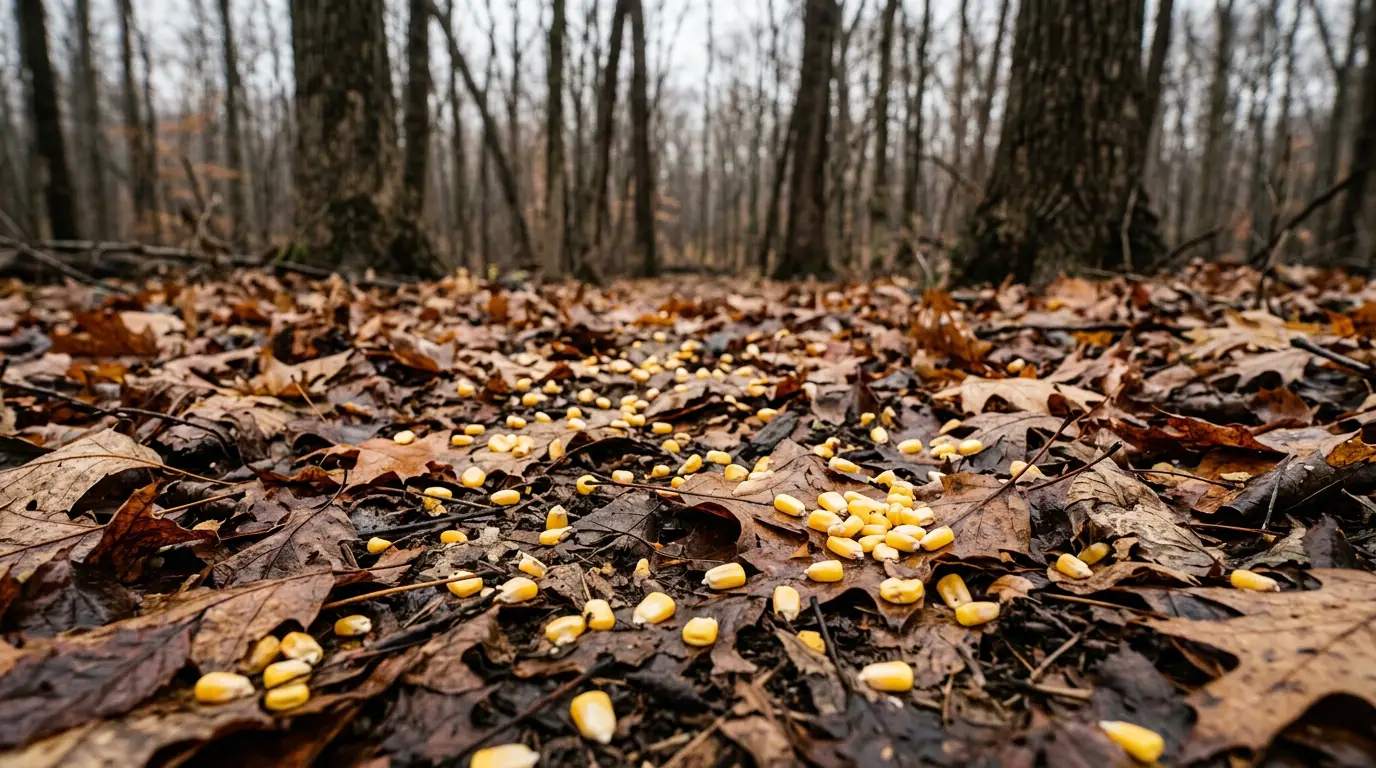
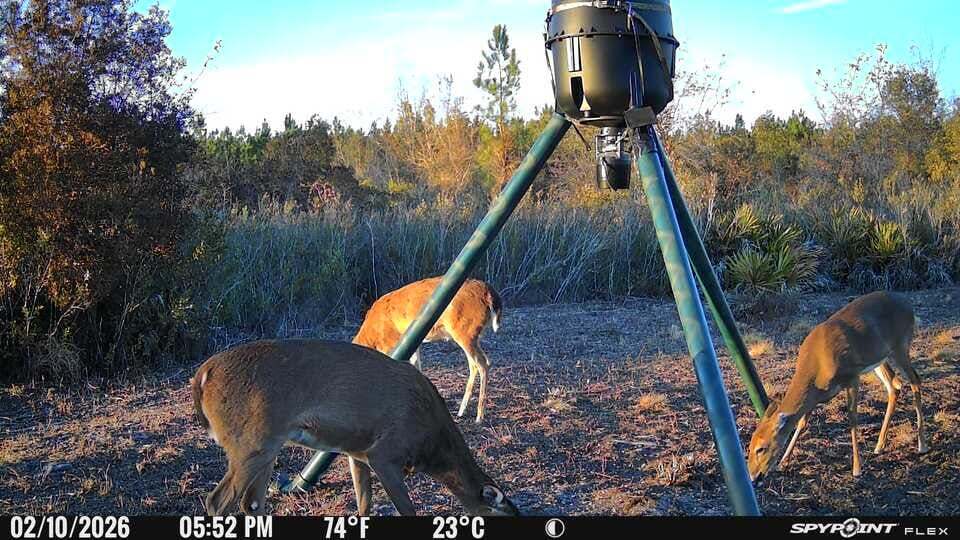
Baiting restrictions exist to keep deer from piling up nose-to-nose in one spot, since close contact is how CWD moves through a herd. Agencies have long argued bait sites raise that risk; skeptics counter that broad bans haven't been shown to slow the disease.
A 2025 study from Michigan State University and the Michigan DNR added a data point. Researchers found deer concentrate more densely at bait sites than at food plots or across the natural landscape, a real behavioral difference. But the study stopped short of the bigger question: it did not determine whether statewide baiting bans actually reduce CWD at the population level. As one of the researchers put it, short-term concentration is all it takes for a transmission event. Proving that a ban changes herd-wide outcomes is a different matter.
Meanwhile the disease keeps spreading. The U.S. Geological Survey reports CWD in 36 states and five Canadian provinces, and its documented range has expanded steadily over the past two decades. That doesn't prove current policies are failing, but it shows how hard this thing is to contain, and why the argument isn't going away.
Human health stays part of the conversation, too. There have been no documented cases of CWD infecting a person, and research points to a substantial species barrier, though scientists are careful to say transmission can't be completely ruled out. The CDC recommends against eating meat from an animal that tests positive, and getting deer tested in areas where CWD is known to occur.
It's worth being straight about where the community stands: hunters land on both sides of this. Some treat CWD as a serious management priority that justifies tighter rules; others see the restrictions as overreach that burdens hunters without clearly earning it. Wherever you come down, the rule that actually governs your season is your state wildlife agency's, so that's the one worth reading closely before you head out.
 What It Means for Hunters
Practically, CWD shapes where and how you hunt through testing requirements, carcass-transport rules, baiting restrictions, and local herd management, and those rules vary by state, region, and sometimes county. As they shift, a lot of hunters end up weighing new options based on access, herd conditions, local regs, and their own comfort with risk.
If new regulations have you looking at ground in another state, HLRBO can help you find and compare properties, dig into the listing details, and secure a lease directly through the platform. And if you're on the other side of the fence with land of your own, you can turn that access into income.
Michigan's bill won't settle the CWD debate. But it's a good reminder that the rules are moving, and that the smartest thing any of us can do before the opener is check what's actually legal where we're headed.
Sources