 Written by HLRBO Staff|
Last updated
Dove season opens September 1, 2026, across most of the country, and the best opening-day shoots won't be thrown together in August. They're being organized right now, in July, by whoever locked down the field first.
The dove opener is the closest thing American hunting has to a holiday. It lands on roughly the same date every year, it happens in shirtsleeve weather, and it works best with a crowd. That combination makes it the easiest hunt of the year to plan and the worst one to wing. Six weeks out, here's the checklist.
Where the September 1 Opener Stands in 2026
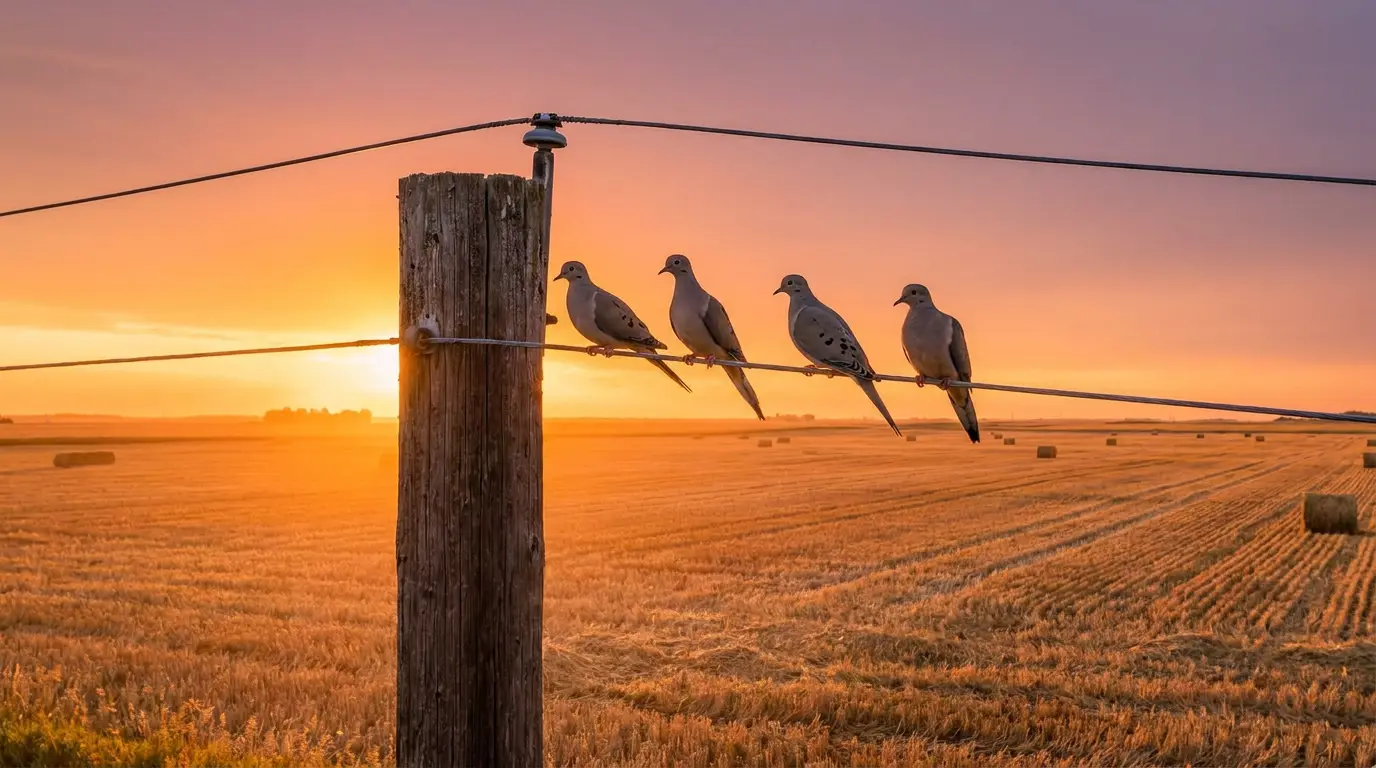
Texas made the biggest news of the year: for the 2026-27 season, all three dove zones open September 1, after the Texas Parks and Wildlife Commission moved the South Zone opener up to match the North and Central zones. The South Zone's first segment now runs September 1 through October 25, with standardized bag limits and shooting hours replacing the old Special White-winged Dove Days.
In the Midwest, Missouri opens September 1 and runs through November 29, with a daily limit of 15 doves. In the Southeast, Georgia has traditionally opened on the first Saturday of September, which was September 6 last season; confirm the 2026-27 dates with Georgia DNR before you print the invitations. (Update, August 3, 2026: Georgia's 2026-27 hunting regulations and seasons guide is now published, online and in print.)
Not every state follows the September 1 script. Some run later openers or split their seasons into two or three segments, so wherever you hunt, the first stop is your state wildlife agency's 2026-27 migratory bird dates.
HIP Registration and Licenses: Handle It Before the Invite Goes Out
Doves are migratory birds, which means a state hunting license alone usually isn't enough. Every dove hunter must enroll in the Harvest Information Program (HIP) and carry proof of it. HIP registration is annual, it's state by state, and last year's doesn't carry over. Some states stack on their own migratory bird permit too; Missouri, for example, requires both a Small Game Hunting Permit and a Migratory Bird Hunting Permit.
If you're hosting a group hunt, send the licensing homework out with the invitation. Nothing deflates opening morning like a buddy who can't legally shoot.
The Dove Field and the Federal Baiting Line
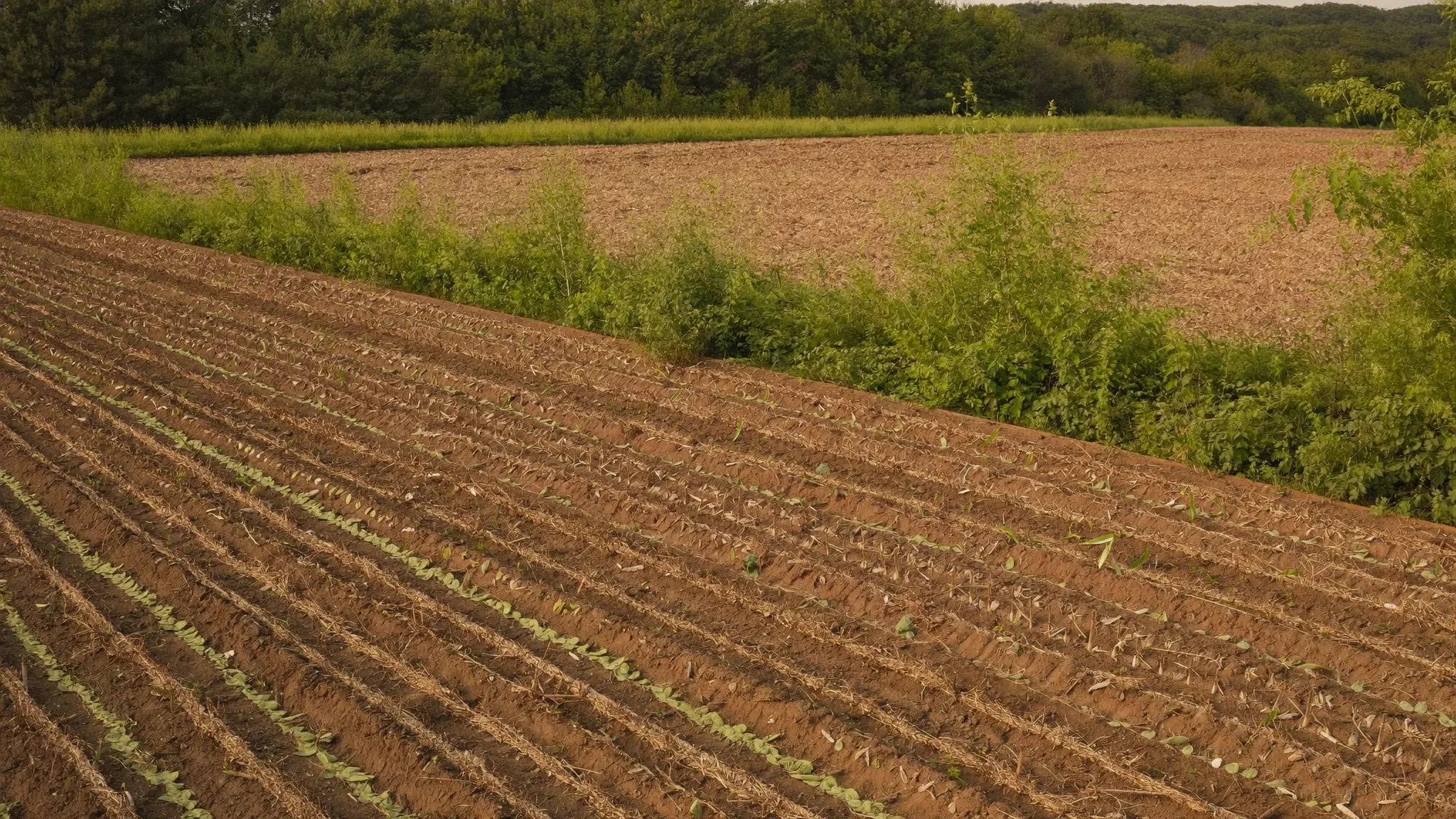
A classic dove field is a crop story: standing or mowed sunflowers, browntop millet, harvested wheat or milo. And it sits next to a real legal trip-wire, because federal law prohibits hunting doves over bait but allows hunting over legitimately managed crops. The line, per the U.S. Fish and Wildlife Service, runs like this:
- Legal: hunting over a crop that's been manipulated on the field where it grew. Mowing, discing, burning, or rolling strips of sunflowers or millet is fine, and it's exactly how good dove fields get made.
- Illegal: scattering seed or grain that was removed from the field or brought in from storage, and planting seed for the purpose of pulling doves into gun range.
- The 10-day rule: a baited area stays off limits for 10 days after every last kernel of bait is gone.
The safe harbor is "normal agricultural practice" as recommended by state extension specialists. For landowners, July is the moment: a field mowed in strips over the coming weeks concentrates birds beautifully and legally by September 1. When in doubt, call your extension office before you touch the field, because ignorance is not a defense under federal migratory bird law.
Why the Dove Opener Is Hunting's Best Party
The numbers say it plainly: federal HIP estimates for the 2024 season put the U.S. mourning dove harvest at about 14.6 million birds by roughly 950,000 hunters across 2.8 million days afield, and USFWS calls the mourning dove the most hunted migratory game bird in North America. No other hunt puts that many people in the field at once, and no other hunt forgives a new shooter so completely. Doves have humbled generations of wing shooters, so buy more shells than the math suggests, then buy another box. The shell-to-bird ratio isn't a failure. It's the entertainment.
That's why the dove field is where kids take their first hunt, where the neighbor who "used to hunt" comes back, and where lawn chairs outnumber camo patterns. One piece of planning keeps it that way: with hunters ringing a field, the host assigns stations and everyone agrees on shot angles before the first bird flies. No low birds, no swinging through the line, and everybody knows where everybody sits.
One Field, Whole Crew
Here's the July problem: the best dove fields are almost always private agricultural ground, and a group hunt means finding a landowner willing to host more than one gun. That's exactly what per-hunter booking was built for. HLRBO's Shared Access feature, launched in May 2026, lets a landowner sell individual spots on one property with a hunter cap, and lets you book one spot for yourself or several for your crew.
Wherever your state lands on the calendar, you're not stuck without a field. HLRBO connects hunters with landowners across the country, with verification, real lease agreements, and secure payments behind every booking. Find a lease or subscribe to become an HLRBO member here.