 Written by HLRBO Staff|
Last updated
The 2026 breeding-survey field reports are in, and the headline for duck hunters is patience: a delayed spring and a patchwork of wet and dry ground up north, paired with another liberal season framework heading into fall. The official population numbers are not out yet, but the early field notes and the season rules already tell you most of what you need to plan around.
Start with what is confirmed. The U.S. Fish and Wildlife Service released its 2026 breeding-survey field reports in mid and late June, and the most consistent theme was a spring that arrived late across much of the survey area. Habitat was a mixed bag. Dry conditions persisted in Montana, the western Dakotas, and the southern grasslands of Alberta, Saskatchewan, and Manitoba, while wetlands improved to the north across the Canadian Prairie Provinces and the southern boreal forest, which took in substantial winter precipitation after years of drought.
Montana drew the roughest reviews. More than 60 percent of the surveyed area sat in moderate to severe drought on the heels of the eighth-driest winter on record. Across the western survey region, one crew flagged west-central North Dakota as the only promising area for duck production, and warned that without meaningful rain, hatched nests could see very low fledgling success. Farther north there was cautious optimism, with crews hopeful the long drought in southern Saskatchewan is finally breaking.
An important caveat: as of July 20, 2026, the official population status report with the full pond counts and final population estimates has not been released. That report typically lands in late summer, and both Ducks Unlimited and Delta Waterfowl publish their breakdowns once it does. Treat the field reports as a weather-and-habitat preview, not a duck count.
For context, the 2025 survey pegged total breeding ducks in the traditional survey area at 34 million, unchanged from 2024 and 4 percent below the long-term average. Mallards came in at 6.6 million, similar to 2024 but 17 percent below the long-term average. Northern pintails were the bright spot at 2.2 million, up 13 percent from 2024, though still 41 percent below the long-term average.
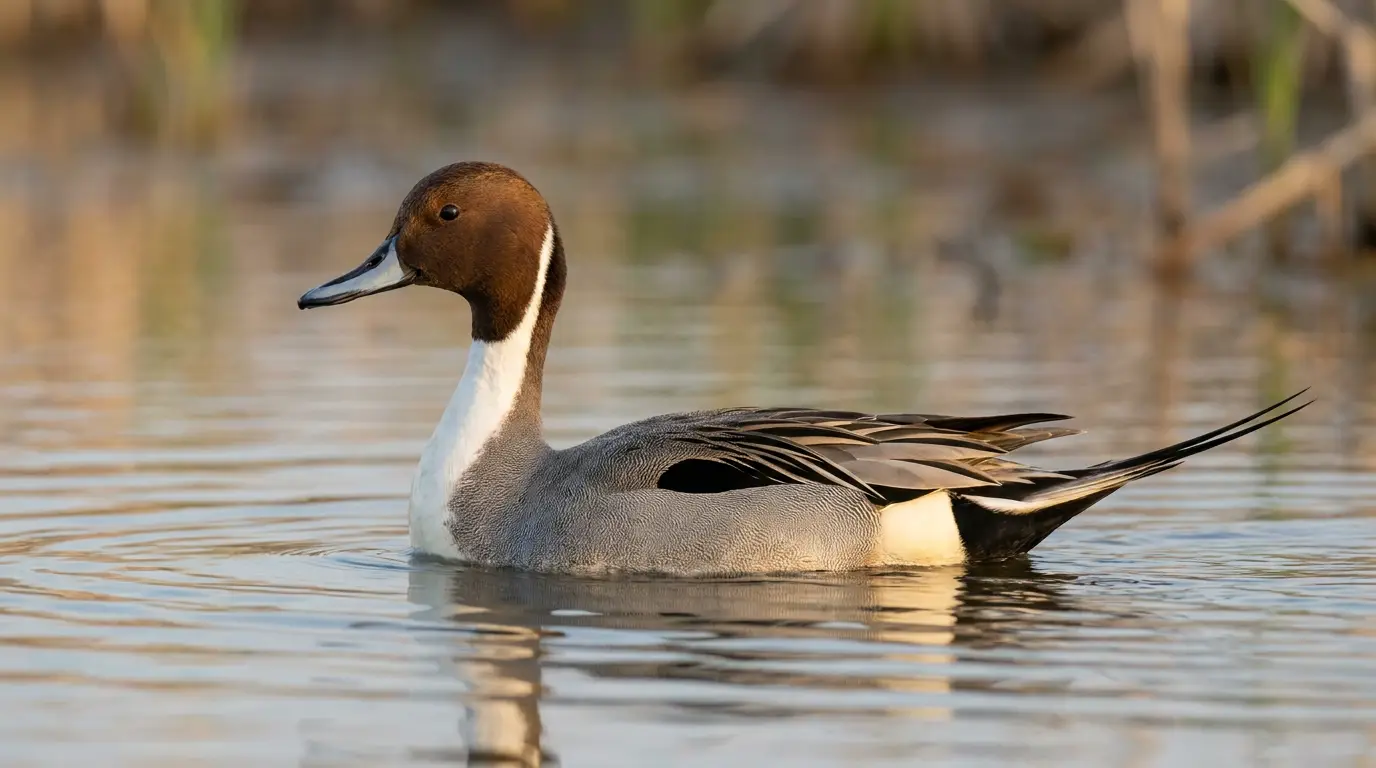
That pintail rebound matters for the rules. Under a new interim harvest strategy, the daily pintail bag rose from one bird to three for the 2025-2026 season, one of up to three seasons of a three-bird bag offered when the population supports it (the seasons need not be consecutive). Expect that three-pintail option to carry into 2026-2027, and Pennsylvania, for one, has already set a 3-pintail daily limit for the coming season. The trade-off elsewhere: the 9-day early teal season in the Central, Mississippi, and Atlantic flyways carries into 2026-2027 because the 2025 count of 4.4 million blue-winged teal stayed below the 4.7 million threshold that triggers a 16-day season; the 2026 survey now underway will shape 2027-2028.
Bigger picture, a liberal season framework is expected again for 2026-2027, which means federal ceilings of up to 60 days in the Mississippi Flyway and 74 in the Central, the same liberal package that governed 2025-2026. One line worth remembering: the USFWS sets the outer frameworks, and states pick their exact dates within them, and can always be more restrictive. Check your state agency before you build a calendar around any of these numbers.
Great duck seasons are won with access to water and fields.
HLRBO lists waterfowl leases across the country, from flooded timber and rice fields to marsh and pit blinds, so wherever the birds funnel this fall you have ground to hunt. Find a lease or subscribe to become an HLRBO member.