 Written by HLRBO Staff|
Last updated
For hunters, the end of deer season leaves a void. Rifles and bows get put away and the long wait until next fall begins. But for a growing number of hunters and outdoorsmen, winter and early spring mark the start of an adjacent hobby: shed hunting.
Shed hunting is simply walking antlered animal habitat after the season ends to find antlers that bucks and bulls naturally drop each year. It’s part scouting, part treasure hunt, and part excuse to be outside when most people stay indoors. And for people like HLRBO Field Rep David Marrero, it becomes a passion.
“I remember my first few sheds,” Marrero says. “They were old, about maybe two years old, but they were my first set of sheds I ever found. And from there, it was like a light switch.”
That “light switch” moment is something nearly every shed hunter understands. Once you find your first antler, the offseason woods never look the same again. For Marrero, it’s become a nearly year-round hobby and he now has an Instagram account dedicated to his shed obsession, @trueshedhunter.
Why Shed Hunt?
Shed hunting scratches the same itch as hunting itself. You’re reading sign, understanding animal behavior, and hoping that patience and effort pay off. But unlike hunting season, there’s no pressure of a freezer and tag to fill.
Shed hunting also helps hunters stay connected to the land year-round. Late winter is when deer are most predictable. Food is scarce, movement is limited, and bucks are focused on survival, not breeding.
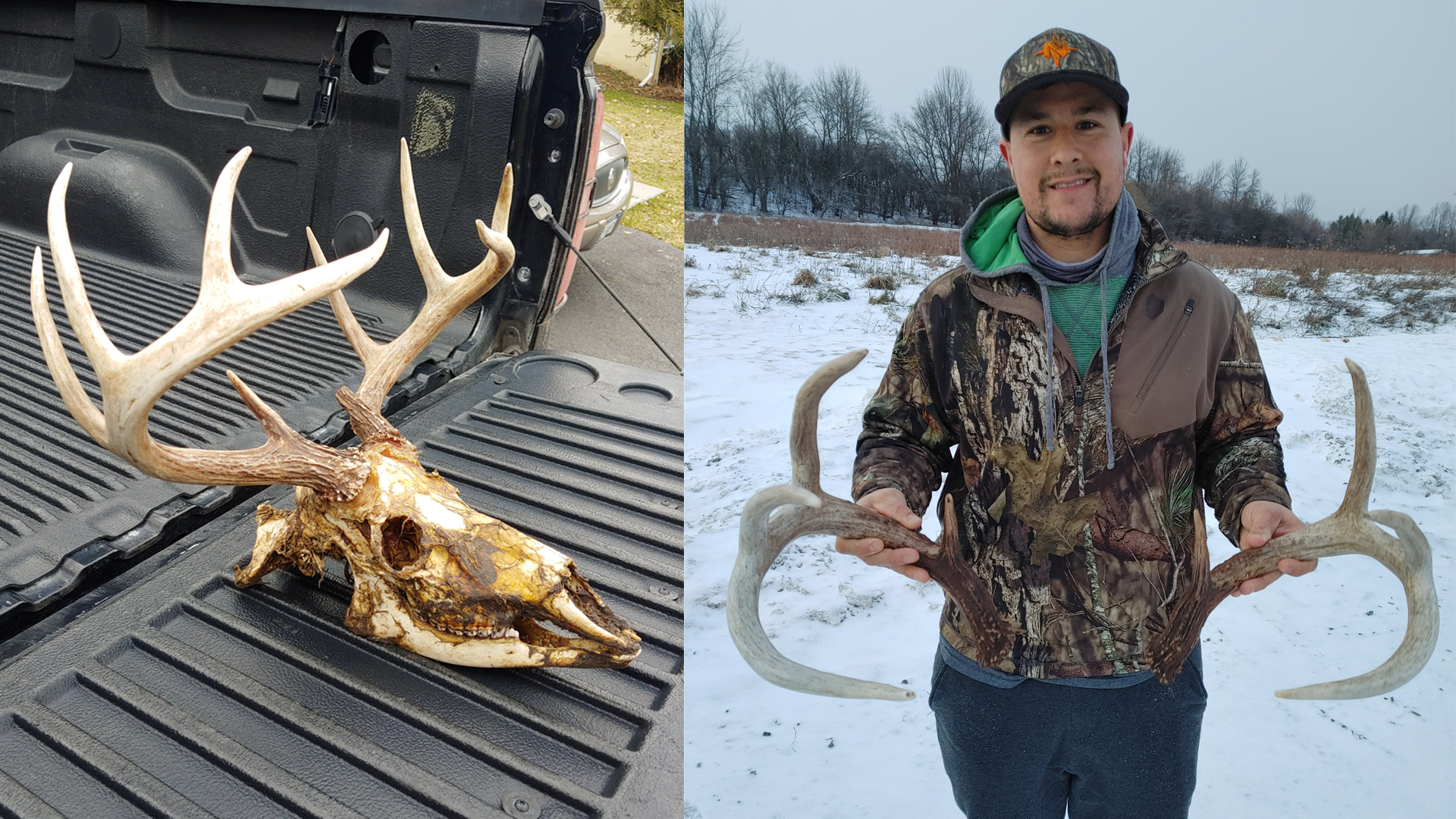 HLRBO Field Rep David Marrero with some of his finds.
“It gives you a rough idea of where they’re at once it starts becoming that December-ish time where they’re more hoarding up,” Marrero explains. “They’re in the thick stuff, and that’s where you typically find a lot of big sheds.”
Beyond deer, shed hunting opens the door to a side of nature most people never see. Marrero recalls encounters that stuck with him just as much as the antlers themselves.
“You’re seeing things like rabbits running around and owls that typically are just sleeping there,” he says. “I came within fingertips of a giant barn owl. It was crazy.”
When to Start Shed Hunting
Prime shed hunting varies by region, weather, and food availability, and some states have specific, regulated seasons. In the Northeast, Marrero typically looks anywhere from January through April.
“January in New York, some might drop early,” he says. “Late February into March is when they typically are dropping more, and then some will hold into April as well, depending on the food source and where they’re at.”
The key is patience. Bucks don’t all shed at once, and areas that look empty at one time of year or even one time of day can suddenly produce antlers later.
“Sometimes you’ll come back to the same spot and find a shed where it was that you walked before,” Marrero says. “You can go three hours without finding a shed easily, and then on the way out you can magically find one.”
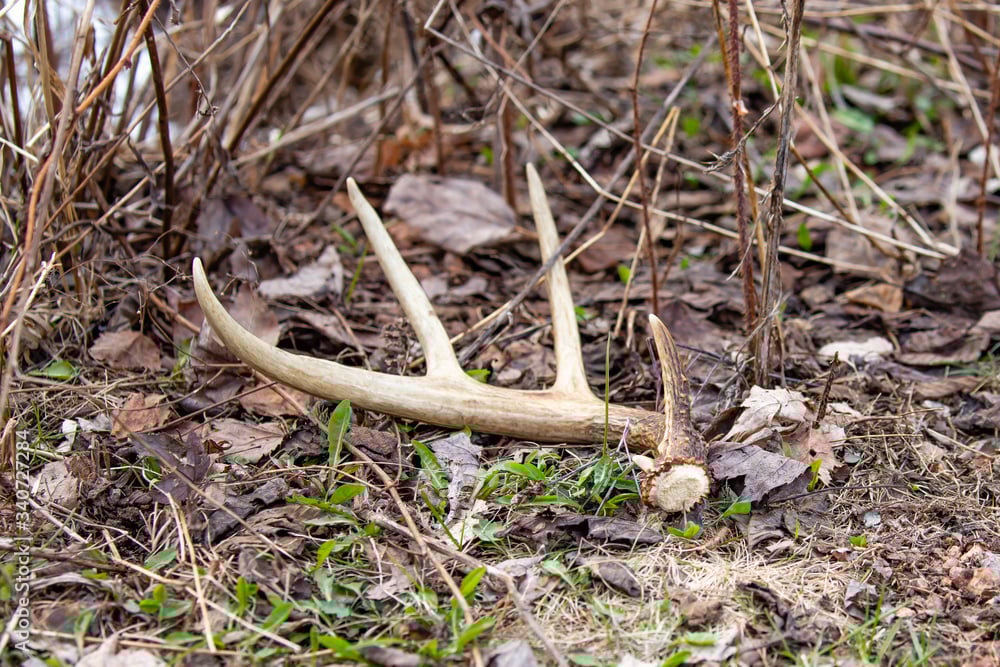
Where to Look First
New shed hunters often make the mistake of wandering aimlessly. While it’s possible to stumble onto antlers anywhere, experienced shed hunters stack the odds by focusing on high-percentage areas.
“South-facing slopes where they bed, funnels that the deer really take a liking to,” Marrero explains. “Bedding areas and near food sources is where you’re going to really typically find sheds.”
Late winter deer behavior is predictable. Bucks bed close to cover, minimize movement, and conserve energy. That means thick stuff—pine thickets, bedding cover, and nasty terrain most people avoid.
“I’ll look on onX for public land that has a lot of pines,” Marrero says. “You’ll walk in there and find bed after bed after bed… and you’ll find sheds right in the beds.”
As a general rule, “the nastier, the better.” If it’s hard to get to, deer probably feel safe there.
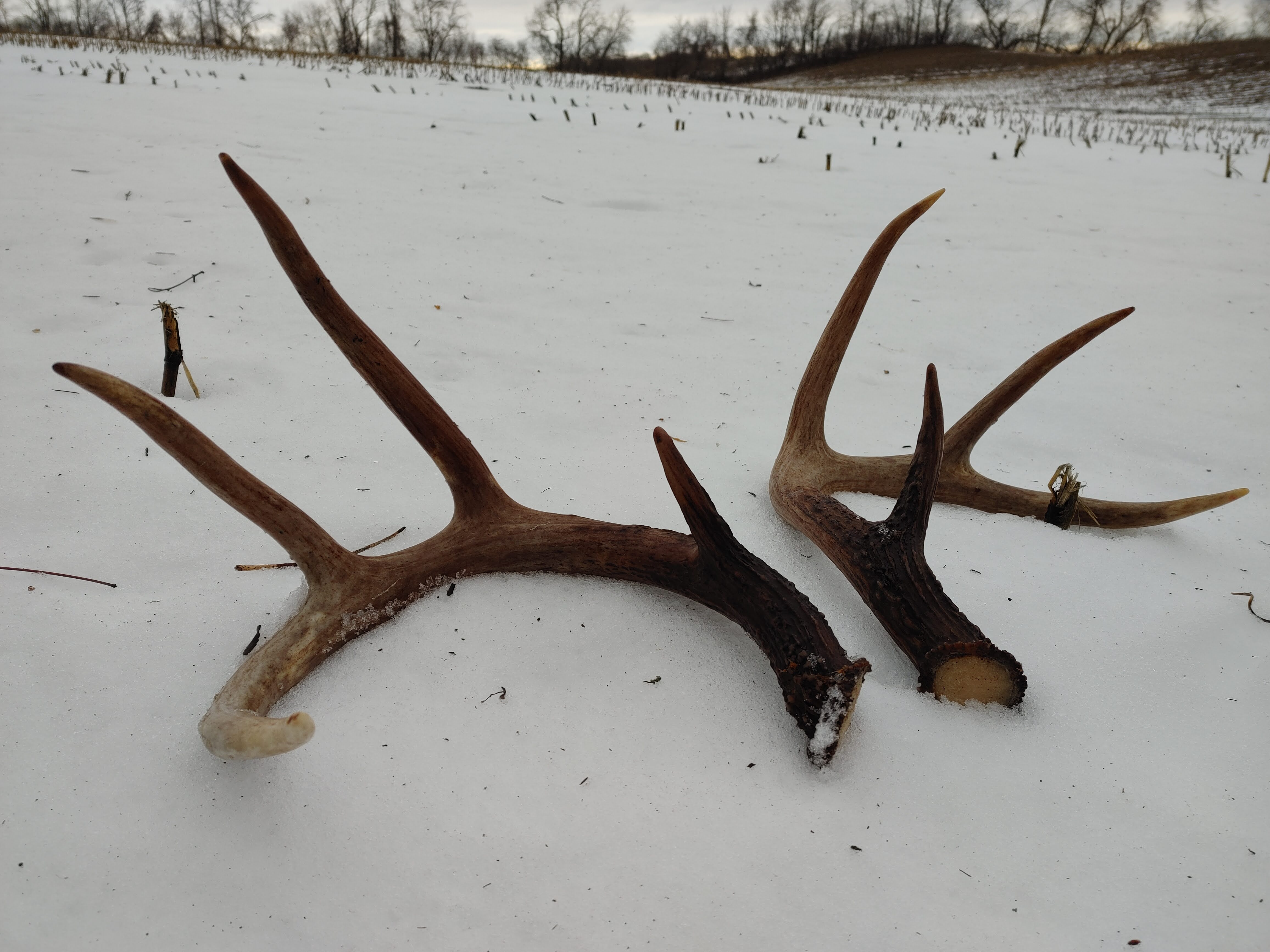 A couple more of Marrero's finds in the offseason.
Scouting Benefits That Carry Into Fall
One of the biggest advantages of shed hunting is what it teaches you for next season. Every antler tells a story, and every bedding area found in March matters in November.
“Once we get off the season we’re always thinking about the deer, like, man, did this or that deer survive?” Marrero says. “Now you can get excited to hope to find that shed to give you history on those bucks.”
Finding a matched set or a single side from a known buck confirms survival and helps build a mental map of how deer use the property when pressure is low. It’s intel you simply can’t get during the rut.
“Shed hunting is something to do to keep your mind in the woods,” Marrero says. And for anyone who’s ever felt that off-season itch, it might just be the perfect way to flip that light switch back on.