 Written by HLRBO Staff|
Last updated
Hunting lease rates run from roughly $5 to more than $50 per acre per year, according to Forest Resource Consultants' 2026 pricing guide, and the spread is that wide because a lease is not just rented dirt. If you have only ever hunted public land or the family farm, your first lease is three things at once: a contract, a budget line, and a relationship with a landowner you have probably never met. Here is how to get all three right.
What a hunting lease actually is
Start with the legal part, because it shapes everything else. Most hunting "leases" are not leases in the property-law sense at all. As Iowa State University's Center for Agricultural Law and Taxation explains, a hunting agreement is typically a license, a private grant of the right to use real property for a particular purpose, rather than a possessory interest in the land itself. You are not a tenant. There is no landlord-tenant relationship, no statutory tenant protections, and in most states nothing governing the arrangement except the words in the contract you sign.
That is why the document matters so much. The paper is the product.
A few states add their own wrinkle on the landowner's side. In Texas, a landowner who takes any compensation for hunting access must first hold a Hunting Lease License from Texas Parks and Wildlife, which runs $79 for properties under 500 acres and up to $252 for 1,000 acres or more. If a Texas landowner has never heard of that requirement, treat it as a signal about how carefully the rest of the arrangement has been handled.
What it costs, and what moves the number
National averages hide more than they reveal, so treat every figure here as market context rather than a promise about any specific property. Forest Resource Consultants' 2026 guide puts common rates at $5 to $50-plus per acre nationally, with the Midwest running $15 to $75-plus in states like Iowa and Illinois, the Southeast at $8 to $30, and Western states at $5 to $30. Survey data tells a similar story at the state level: University of Missouri Extension's guide, citing 2024 survey figures, put deer and turkey leases at an average of $23.33 per acre annually.
Run that Missouri average against a real scenario and the economics come into focus. A 100-acre deer lease at $23.33 per acre costs $2,333 a year, which split among a four-hunter group is about $583 each, in the neighborhood of what one out-of-state license plus fuel and lodging costs for a single week-long trip.
What moves a property up or down that range is fairly consistent. Habitat quality: diverse cover, water, food plots, and a strong game population carry inherent value. Game quality: trophy deer, turkey, and specialized species push pricing higher. Exclusivity: sole access to the ground justifies a premium over shared arrangements. Amenities: stands, blinds, established plots, and cabins add tangible value. Proximity: land near large populations or in states with limited public access rents for more.
You are paying for scarcity. A mediocre 80 near a metro area can out-price a great 300 in the middle of nowhere, and neither number is wrong.
The questions to ask before you sign
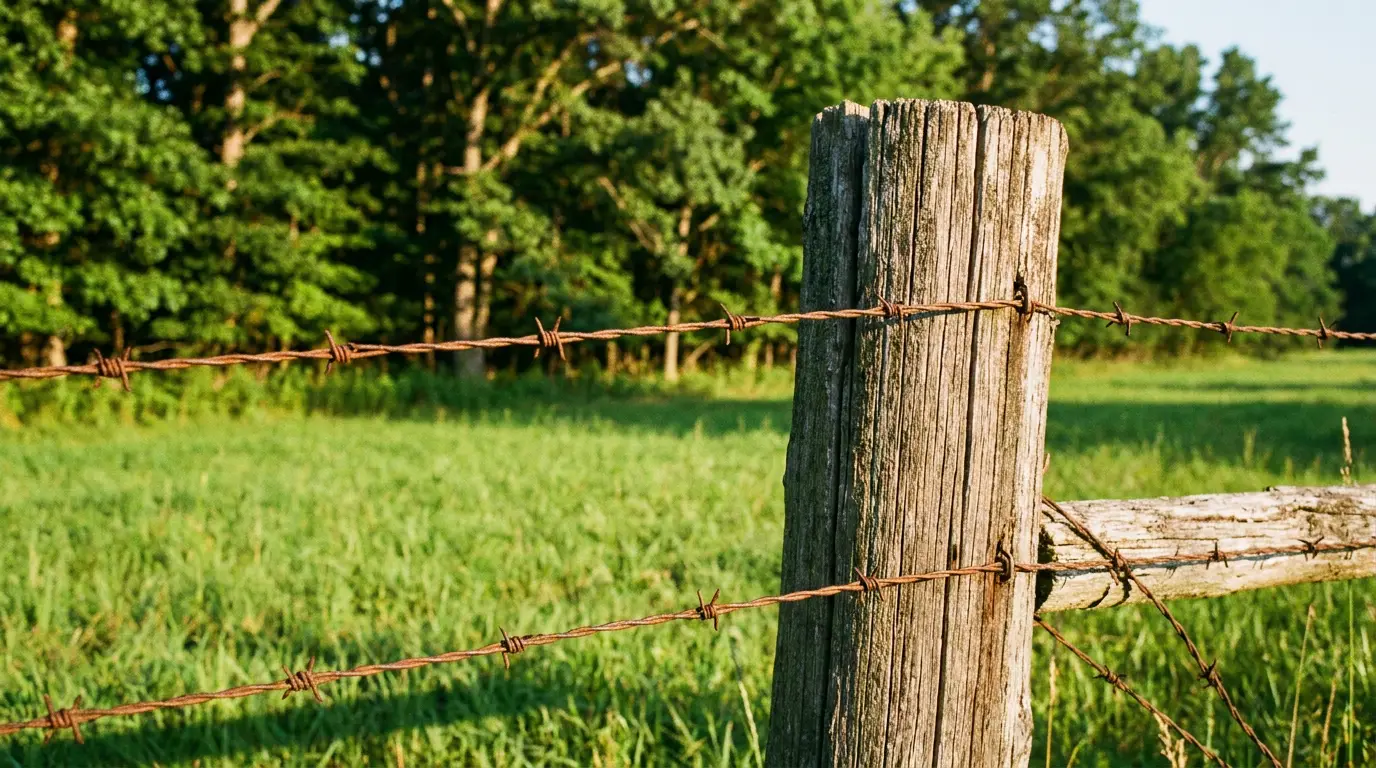
A landowner who has leased before will expect these questions, and a landowner who bristles at them is telling you something. Ask before money moves.
Boundaries: get the exact acreage and a map, and ask whether any inholdings, easements, or neighboring parcels break up the ground you think you are leasing. Other users: ask whether the lease is exclusive, whether a farmer, timber crew, or family members retain access, and whether any other hunting group holds rights to the same acres in a different season. Vehicle access: confirm where you can drive, whether ATVs are allowed, and what happens to access after heavy rain or during planting and harvest. Improvements: ask what you may hang, build, or plant, whether screw-in steps and cellular cameras are permitted, and who owns stands and plots when the lease ends. Rule changes: ask what happens if the state changes seasons, bag limits, or disease rules mid-term, because a CWD designation or an emergency closure can rewrite your season and the contract should say whether your payment adjusts.
That last one is not hypothetical. State wildlife agencies redraw disease-management boundaries every year, and the lease that governs your money should acknowledge the agency that governs your hunting.
Get it in writing, and get insured
University extension programs across the country are blunt on this point. Mississippi State University Extension's hunting lease publication states that "most hunting leases should be undertaken only with a written agreement," and its sample lease requires the lessee to carry a $1,000,000 public liability insurance policy with the landowner named as insured. That million-dollar figure is illustrative rather than mandatory, but some level of hunt-club liability coverage is now standard practice, and many experienced landowners will not sign without proof of it.
The insurance protects you too. Missouri law, as University of Missouri Extension notes, holds landowners to a duty of "ordinary and reasonable care" toward paying hunters, which is exactly why sophisticated landowners insure and paper the relationship rather than waving you in on a handshake. Expect the written agreement to include a liability waiver, an indemnification clause making hunters responsible for damage they cause, and increasingly a tree-stand clause requiring harness use, all of which Iowa State's agricultural law center lists as standard terms.
A handshake protects no one. If the deal is real, it survives being written down.
Timing, and the red flags that should end a deal
The lease market runs on the hunting calendar, and the calendar is not your friend if you wait. The best properties rarely reach the open market because existing groups re-sign them, so the inventory that appears in late summer draws the most competition at exactly the moment you have the least time to vet anything. A hunter chasing an early-September archery opener in North Dakota is nearly out of time by late July; a hunter pointed at Alabama's gun season, which opens in mid-November, still has margin. Work backward from your own opener, and start at least a full season earlier than feels necessary.
Urgency is also where bad deals live, so know the red flags. No written terms: a landowner who refuses to sign anything is offering you a license revocable the moment it becomes inconvenient, and you should walk. Unclear ownership: verify through the county assessor's parcel records that the person signing actually owns or controls the ground, because paying a middleman with no authority buys you nothing. Double-leasing: the same acres sold to multiple groups is the oldest scam in this market, so ask for exclusivity in writing and for references from prior lessees. Cash pressure: anyone who needs full payment today, in cash, before you have seen a contract, has answered your question for you.
Trust the paper, not the pitch.
Where to start looking
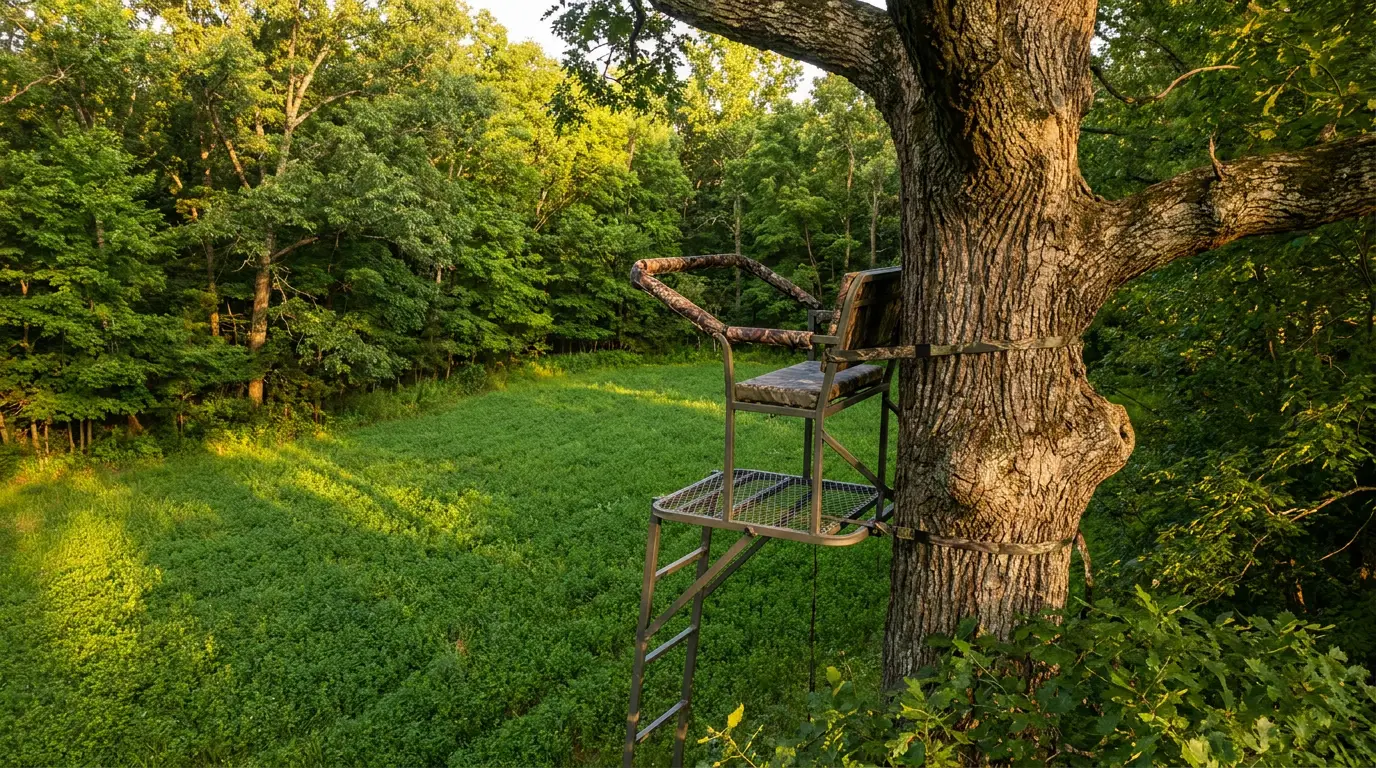
None of this is meant to talk you out of leasing. It is meant to make your first lease your first of many, because the hunters who get burned are almost never the ones who asked too many questions. Private access is a bigger market than most public-land hunters realize: as of this writing, HLRBO's own marketplace data counts more than 6,200 listings covering over 1.5 million acres across all 50 states.
A lease is not rented dirt. It is a documented agreement with a real person about real ground, and the tools to get it right, from written contracts to verified ownership, are cheap compared to a lost season. HLRBO connects hunters with landowners across the country, with verification, real lease agreements, and secure payments behind every booking. Find a lease or subscribe to become an HLRBO member.