 Written by HLRBO Staff|
Last updated
The ground is worth more than ever and has never cost more to keep. In 2026, landowners are treating hunting access as a line item that pays the tax bill.
The Squeeze: Record Land Values, Record Carrying Costs
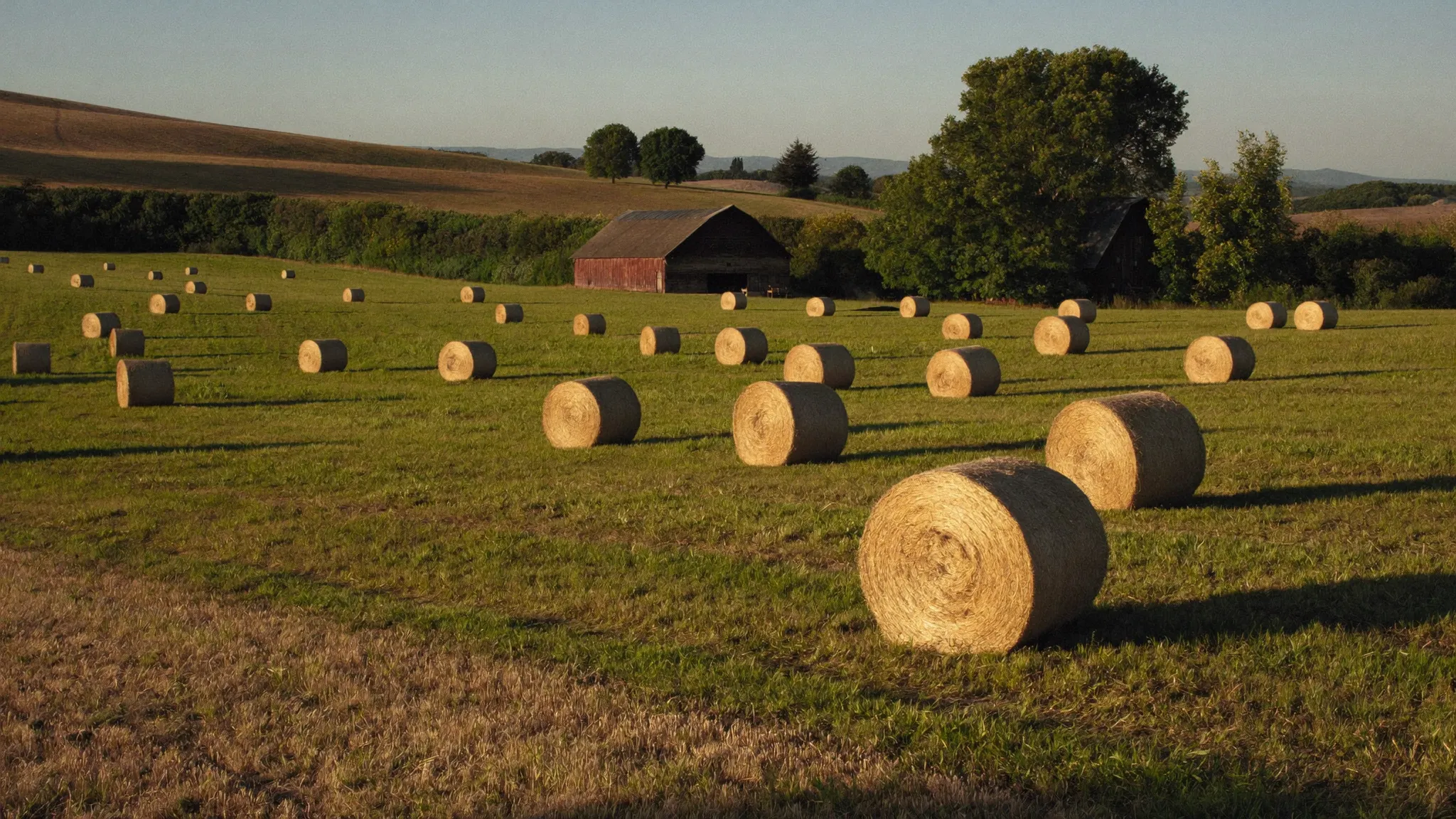
Start with the number everyone quotes at the coffee shop. U.S. farm real estate averaged $4,350 per acre in 2025, up $180 per acre, or 4.3 percent, from the year before, according to USDA's National Agricultural Statistics Service. Cropland ran higher still at $5,830 per acre. The 2026 update lands in August, but nobody in farm country is betting on a discount.
That sounds like good news, and on a balance sheet it is. But paper wealth does not pay the tax bill. USDA's Economic Research Service pegged farm sector property taxes and fees at roughly $18.8 billion for 2025, up from $16.9 billion just two years earlier, and the American Farm Bureau Federation notes those costs hit record levels in 2024 and are forecast to climb again in 2026. Add roughly $29.5 billion in annual interest expense across the sector and the picture sharpens: the land appreciates, and the cost of simply holding it appreciates right alongside. That gap is pushing owners to look harder at every income stream the ground can support, hunting access included.
Meanwhile, the income side is going the wrong direction. USDA ERS forecasts net farm income of $153.4 billion in 2026, down 0.7 percent in nominal terms and 2.6 percent after inflation. Farm sector debt is forecast to rise 5.2 percent to $624.7 billion in 2026, with real estate debt alone crossing $404 billion.
And the spread across the country is enormous. Cropland in 2025 ranged from $1,320 per acre in Montana to $32,900 in Rhode Island. Wherever your county falls on that line, the trend is the same: more value, more taxes, more pressure on every acre to justify itself.
What Landowners Are Already Doing About It
Landowners are not waiting on a policy fix. They are stacking income streams: cash rent, hay, timber, solar options where they pencil, and, increasingly, hunting access.
The timing matters more than most people realize. American Farmland Trust estimates that nearly 300 million acres of agricultural land could change hands in the next 20 years as the current generation of owners retires. Every one of those transitions is a moment when a family asks the hard question: can we afford to keep it? A property that produces income, even modest income, answers that question differently than one that only produces a tax bill. Recurring revenue is often the difference between land that stays in the family and land that gets carved up and sold.
That is our bias, and we will own it plainly: we believe private landownership is worth defending, and the best defense is land that pays its own way.
Why Hunting Lease Income Fits the Moment
Hunting leases are not a windfall. They are something better: dependable. Forest Resource Consultants' 2026 hunting lease pricing guide puts typical rates at about $5 to $50 or more per acre per year, with Midwest ground in states like Iowa and Illinois running $15 to $75 or more, the Southeast (think Georgia and Tennessee) commonly $8 to $30, and premium properties in high-demand areas reaching $40 to $75 and up. Those are market observations, not promises. Your timber, your neighbors, and your county's deer herd will set your number.
But run the arithmetic on a 300-acre Midwest farm at even $25 per acre and you get $7,500 a year, every year, from ground that was already sitting there growing deer. On a lot of farms, that check covers most or all of the property tax bill.
The money is only half the case. A good hunting lease also buys you things a cash renter never will: hunters who plant food plots, maintain trails, run trail cameras, report the cut fence and the trespasser, and manage the deer herd that is otherwise eating your beans for free. You keep the deed, you set the rules, and the land stays whole.
Doing It Right: Agreements, Insurance, and Hunter Fit
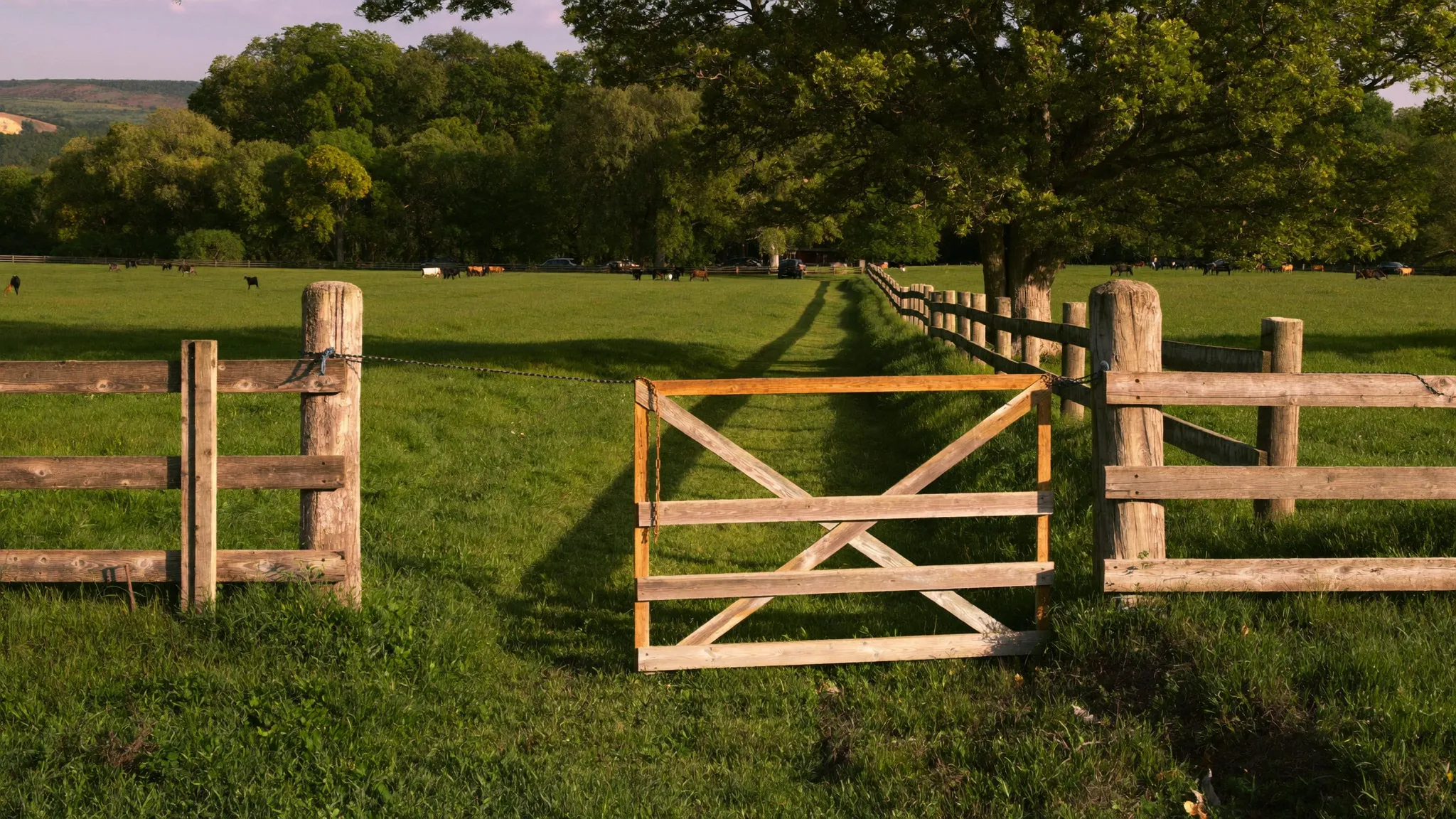
Honest caveat: leasing is not for every landowner. Handing strangers a gate code is a real decision, liability is a real concern, and one bad hunter can sour a family on the whole idea. That is exactly why the handshake era needed to end. A written lease that spells out dates, party size, vehicle rules, and stand locations, backed by liability insurance and hunters you have actually vetted, turns a gamble into a business arrangement. Skip those steps and you have not created income, you have created exposure.
Some folks will say all this commoditizes hunting. We would argue the opposite. Built processes mean fewer bad actors, more open gates, and stronger relationships between the people who own the land and the people who hunt it. We aren't here to disrupt hunting. We're here to preserve it, and preserving it starts with keeping private land in private hands.
For landowners feeling the squeeze this story describes, the pressure is also an opportunity. HLRBO helps landowners nationwide turn hunting access into income while keeping full control of their property. And because it should not ride on a handshake with a stranger, HLRBO handles verification, insurance, real lease agreements, and secure payments.
Find a lease or subscribe to become an HLRBO member here.