 Written by HLRBO Staff|
Last updated
Interior finalized the largest hunting and fishing expansion in Fish and Wildlife Service history, New York tied a second buck tag to a doe, chronic wasting disease turned up in a new Minnesota county and at two Wisconsin deer farms, and drought pushed past half the Lower 48 with the September 1 openers a day out. Here are the stories that caught our eye in the first half of August.
Interior Finalizes the Largest Refuge Hunting Expansion on Record
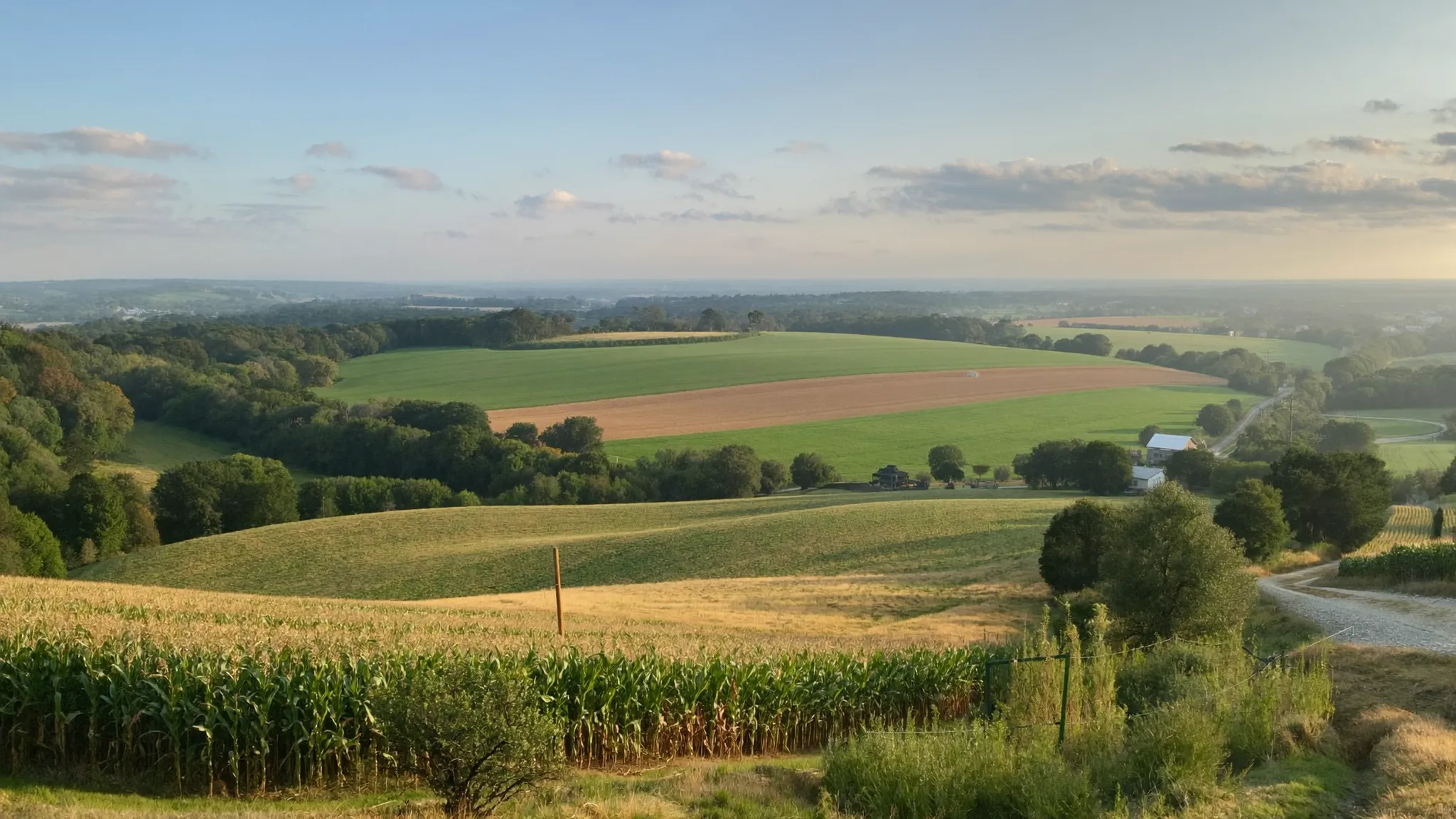
The Department of the Interior announced on August 13 that it had finalized station-specific rules opening or expanding 1,488 hunting and sport fishing opportunities across 111 field stations in 32 states.
The package covers 107 national wildlife refuges and four national fish hatcheries. Fourteen refuges and three hatcheries open to hunting or fishing for the first time. The footprint runs to more than 92 million acres, 95 percent of the refuge system.
"America's hunters and anglers now have something significant to look forward to in the fall as we plan to open and expand hunting and fishing opportunities nationwide," Interior Secretary Doug Burgum said in the announcement.
The proposed rule targeted a September 1 effective date. As of August 16, 2026 the final rule had not yet published in the Federal Register, so confirm the station-specific regulations with the refuge itself before you drive out.
New York Ties a Second Buck to a Doe
The New York State Department of Environmental Conservation put 2026-27 licenses on sale August 6, and with them a rebuilt deer tag structure.
Under Earn-a-2nd-Buck, a hunter who takes and reports an antlerless deer becomes eligible for a second buck tag. Tags were reclassified into an Antlered Deer Tag and a Bow/Muzzleloader Antlerless Deer Tag.
Hunters may now hold up to four Deer Management Permits, two in limited Wildlife Management Units and two in unlimited units, with limited-unit applications running August 3 through October 1. September antlerless opportunity expanded in several units.
Commissioner Amanda Lefton tied the changes to habitat impacts and deer health. The read for anyone hunting New York this fall: the second buck is no longer a tag you buy, it is a tag you earn.
CWD Reaches a New Minnesota County and Two Wisconsin Deer Farms
Minnesota confirmed its first Washington County case of chronic wasting disease the week of August 3. A landowner near Stillwater reported an emaciated doe with no fear of people; it died July 16 and tested positive at the University of Minnesota Veterinary Diagnostic Laboratory.
The detection sits in deer permit area 236, roughly 30 miles from the nearest known cases in Minnesota and western Wisconsin. Michelle Carstensen, the DNR wildlife health program supervisor, credited public awareness for catching it.
Minnesota is separately moving to a four-year rotational surveillance plan, with this season's mandatory testing in the southwest quadrant, on deer taken opening weekend.
Wisconsin regulators reported on August 14 that deer farms in Portage and Crawford counties tested positive, the Portage case a three-year-old buck. Both are quarantined pending investigation.
USDA Puts $52 Million Behind Private-Land Access
The Natural Resources Conservation Service announced on July 31 that it is investing $52 million in 19 state-led projects through the Voluntary Public Access and Habitat Incentive Program, with individual awards ranging from $1.5 million to $3 million.
VPA-HIP is the only federal program that pays willing landowners to open private ground to hunters and anglers, and it funds most state walk-in access programs, including projects in Arkansas, Montana, and North Dakota. Sponsors can put up to 25 percent of an award into habitat work on enrolled acres.
"Finding access is one of the biggest challenges hunters and anglers face, especially those of us without large blocks of public land nearby," said Aaron Field of the Theodore Roosevelt Conservation Partnership, which called it the largest single VPA-HIP investment to date.
The Senate Farm Bill Stalls, With a September Date to Watch
The Senate Agriculture Committee marked up the Agricultural Act of 2026 on August 6 and failed to report it out on a 10-11 vote.
The fight was over SNAP error-rate cost sharing, not habitat, but the conservation title moves with the bill. Chairman Boozman recessed rather than adjourned. Two Republicans on the committee, Mitch McConnell and Tommy Tuberville, voted by proxy, and Senate rules do not let a proxy vote carry a measure out of committee. Amendments to restore Environmental Quality Incentives Program funding failed along the way.
Chairman John Boozman said he will reconvene the committee in September to vote on the same bill. That is the date worth watching for anyone whose lease borders enrolled acres.
Drought Crosses Half the Lower 48
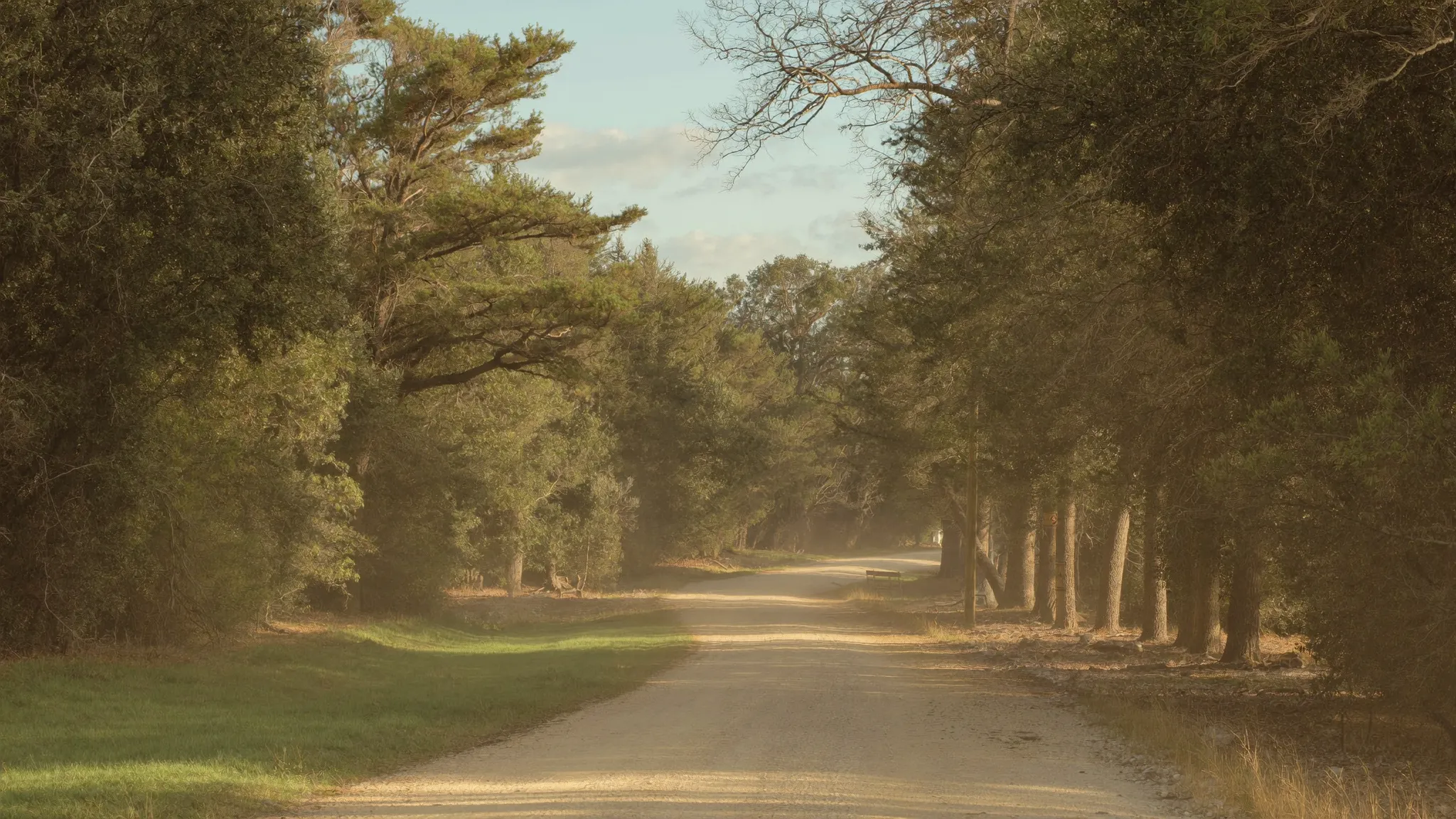
The August 11 U.S. Drought Monitor put 50.38 percent of the contiguous states in moderate drought or worse, up from 48.54 percent a week earlier. That is nearly two points of new drought in seven days, heading into the driest stretch of the year.
Extreme to exceptional conditions covered 10.27 percent of the map. Nebraska carried the worst of it: 81.19 percent of the state in drought, 18.49 percent in extreme or exceptional drought, and 2.95 percent at the highest category.
Dry ground moves deer to water and shortens the useful life of a late food plot. It also drives county burn bans, which is worth a call to your landowner before you plan any fall habitat work.
Pasture Rent Sets a Record, and the County Numbers Land This Month
USDA's Land Values and Cash Rents report, released July 31, put the national average pasture rent at $16.50 per acre, a record and a dollar above last year, while cropland rent slipped a dollar to $160.
Pasture rent is the closest published figure to what a landowner's ground earns without a hunter on it, which makes it a useful floor when you are talking price.
County-level estimates are due in the NASS Quick Stats database by the end of August, so check Quick Stats before your next lease conversation. Those are the numbers that actually matter, because a statewide average tells you almost nothing about one county.
The Duck Report Still Has Not Landed
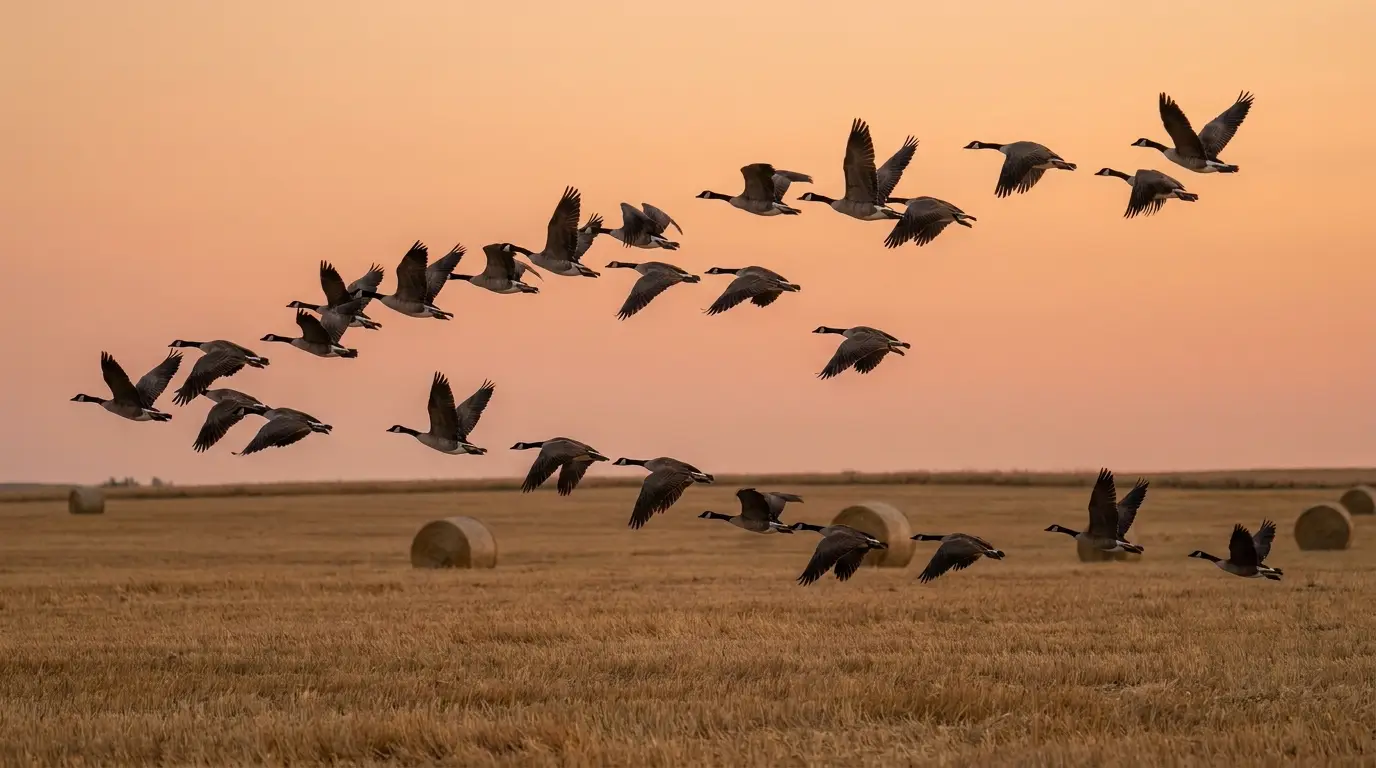
As of mid-August, the Fish and Wildlife Service had not posted the 2026 Waterfowl Population Status report. Last year's edition landed in early September, so it may be out by the time you read this.
The June field reports described a delayed spring and mixed wetland conditions, with South Dakota rated poor to fair and North Dakota improved.
For context, the 2025 report counted 34 million breeding ducks in the traditional survey area, 4 percent below the long-term average, with May pond counts down 19 percent.
Those 2025 numbers set this fall's frameworks. The 2026 count will shape the 2027-28 season, so the delay matters more for next year's planning than for the limits in your pocket this November.
Sources: U.S. Fish and Wildlife Service, Federal Register, New York State DEC, Minnesota DNR, Wisconsin DATCP, USDA NRCS, USDA NASS, American Farm Bureau Federation, U.S. Drought Monitor, Farm Policy News, and the Theodore Roosevelt Conservation Partnership.