 Written by HLRBO Staff|
Last updated
The federal government is moving toward finalizing the largest proposed expansion of refuge hunting access in U.S. Fish and Wildlife Service history, Michigan cuts its muzzleloader season to three days, two more states clamp down on baiting and feeding, and drought keeps squeezing Oklahoma. Here are the stories that caught our eye in July.
Feds Propose Opening 1,450+ Hunting and Fishing Opportunities on Refuges
The Interior Department has put forward what it calls the largest proposed expansion of hunting and sport fishing in the history of the U.S. Fish and Wildlife Service: more than 1,450 opened or expanded opportunities across 111 field stations in 32 states, according to the agency's May 26 announcement.
The proposal covers 107 national wildlife refuges and four fish hatcheries, including first-ever hunting or fishing access at 14 refuges and three hatcheries. If finalized, more than 92 million acres, over 95% of refuge system lands, would be open to hunting.
"For too long, access to hunting and fishing on federal lands has been limited by unnecessary restrictions and disconnected federal rules," Interior Secretary Doug Burgum said in the announcement, adding that the administration aims to put "decision-making back where it belongs." Refuge advocates have long argued that each new hunt adds staffing and habitat workload to a system that is already stretched, and the final rule will show how the Service weighed that against the access gains.
The proposed rule was published in the Federal Register on May 27, and the 30-day public comment window closed in late June. The final rule is the piece to watch as fall seasons approach.
Michigan Shrinks Muzzleloader Season to Three Days, Ends the Rifle Line
Michigan's Natural Resources Commission approved a package of deer regulation changes in May that takes effect this fall, the Michigan Department of Natural Resources (DNR) announced.
The statewide muzzleloader season drops from 10 days to three, starting the first Friday in December. In the Lower Peninsula it becomes the December Firearm Deer Season, and any legal firearm qualifies.
The commission also eliminated the Limited Firearms Deer Zone, the decades-old line across southern Michigan that restricted rifle cartridges. Bottleneck cartridges are now legal throughout the Lower Peninsula.
The changes described here take effect with the 2026 season and carry into 2027.
Washington Bans Baiting and Feeding of Deer, Elk, and Moose
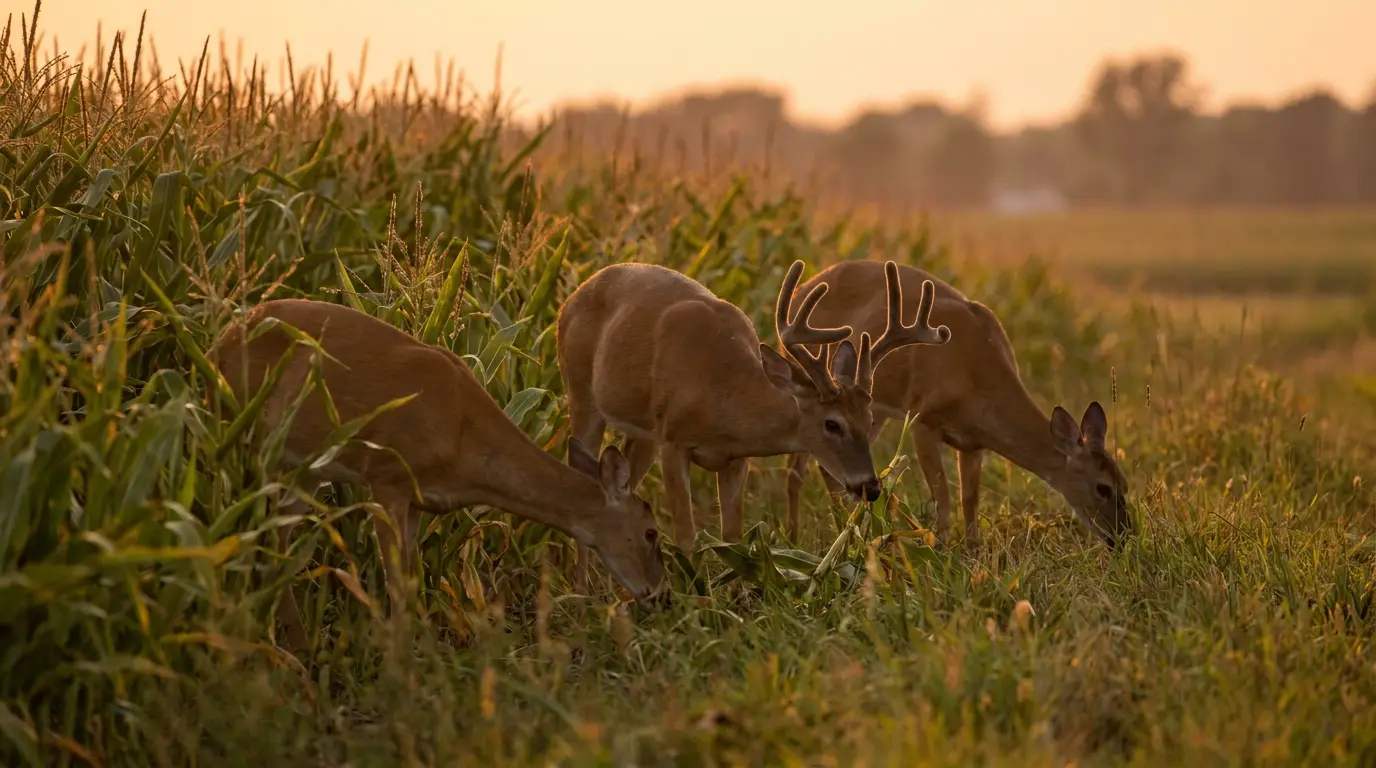
Washington prohibits the feeding of deer, elk, and moose statewide, and that includes hunting over bait. The rules took effect in May 2025 and now anchor the 2026 big game regulations the Washington Department of Fish and Wildlife (WDFW) published this spring.
Salt blocks, grain, hay, and fruit set out to draw animals are all covered, and it is also illegal to feed other wildlife in a way that congregates deer, elk, or moose, per the agency's explainer. The rule package bans urine-based scent products and requires chronic wasting disease (CWD) testing of harvested cervids in any WDFW region where the disease has been detected.
The changes follow the state's first detections of CWD in 2024, and the logic is the same one driving rules across the country: concentrated animals spread disease faster. Hunters did not let it pass quietly. Those who hunt over bait criticized the proposal on the agency's public comment portal, and some accused WDFW of looking for new ways to limit opportunity, the Spokesman-Review reported. The strongest version of that objection is structural: the ban reaches every corner of the state, while the testing requirement itself concedes the disease has so far been detected in only part of it. WDFW Director Kelly Susewind approved the rules as proposed.
Minnesota Adds Five Counties to Its Deer Feeding Ban
The Minnesota Department of Natural Resources (DNR) added Becker, Clearwater, Grant, McLeod, and Meeker counties to its deer feeding and attractant ban on June 22, according to the agency's release. The ban now stands at 37 of Minnesota's 87 counties, 43% of the state's counties.
The additions follow new CWD detections in wild deer last year. The ban covers grains, fruits, vegetables, nuts, and hay, plus attractants like salt, minerals, and any product containing cervid urine or other bodily fluids.
If you hunt or own ground in one of the new counties, the DNR's advice is to put the effort into habitat instead.
Wisconsin Publishes Fall Forecasts, and the White Oaks Delivered
The Wisconsin Department of Natural Resources (DNR) released its fall 2026 hunting and trapping forecasts on July 22, alongside the new season's regulations.
The detail worth flagging for deer hunters: the annual acorn survey at Sandhill Wildlife Area found an excellent mast year for white oak, while the red oak group produced virtually no acorns in the west-central district. Last winter was mild there, too, with only a few days of deep snow or below-zero cold.
The survey covers a single property, but if the pattern holds across the district, west-central Wisconsin deer will key on white oak flats this fall. Find the white oaks and you've found the food.
Drought Check: Oklahoma Tightens, the Southeast Holds
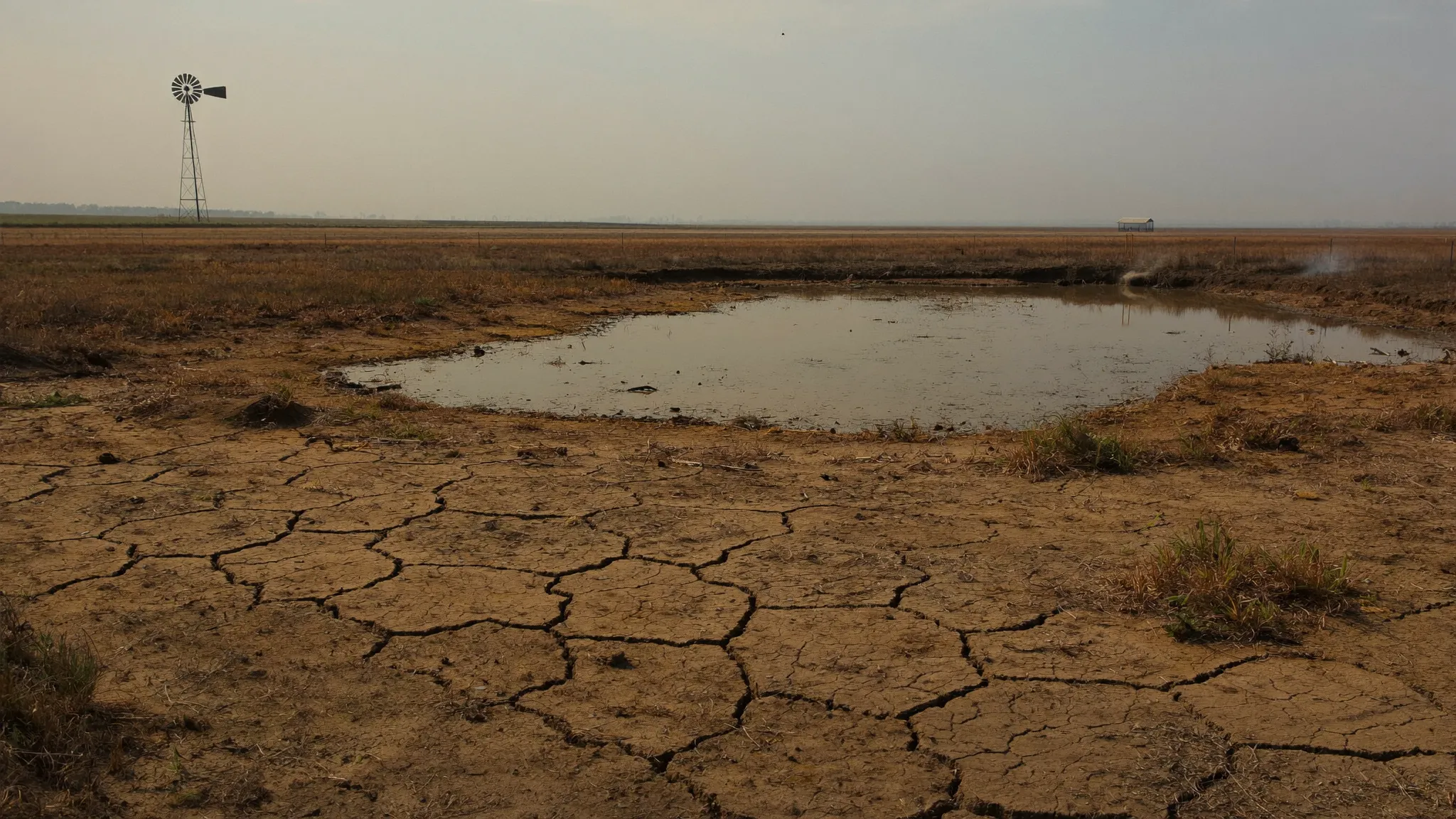
Oklahoma: about 43% of the state sat in moderate-to-exceptional drought as of the July 23 U.S. Drought Monitor, and the exceptional D4 category expanded again, reaching into Washita, Kiowa, Beckham, Woodward, and Roger Mills counties.
Southeast: the June 25 Drought.gov status update shows drought still covering 59% of the region, with 37% in severe-to-exceptional condition. May rain helped soil moisture in portions of Alabama, Florida, Georgia, and South Carolina, but North Carolina logged its second-driest January through May on record and the Florida Peninsula has since dried out again.
Dry summers mean stressed food plots, concentrated water sources, and antler growth running below potential. Worth factoring into your fall expectations in both regions.
Estate Tax Exemption Settles at $15 Million, and Farm Succession Math Changes
The federal estate and gift tax exemption now stands at $15 million per person, $30 million per married couple, effective January 1, 2026, under the tax law enacted in July 2025. The amount is permanent and indexed for inflation starting in 2027.
For landowning families, the practical effect is time. The exemption was scheduled to fall to roughly $7 million per person this year, a cliff that had many farm and timber families rushing succession plans. That deadline pressure is gone, though the planning itself still belongs on the calendar.
Vermont Supreme Court Upholds Coyote Hunting and Trapping Rules
The Vermont Supreme Court affirmed the state's coyote hunting and trapping regulations in a June decision, rejecting challenges brought by Protect Our Wildlife and three other wildlife-advocacy organizations. The rules, adopted by the Fish and Wildlife Board in 2023, require coyote hunters using dogs to register them, record where they hunt, and fit the dogs with GPS tracking collars.
Utah's Walk-In Access Program Opened 49,597 Private Acres in 2025
Utah's Walk-in Access Program provided public hunting and fishing access to 49,597 acres of private land across 116 enrolled properties in 2025, including 39.4 miles of stream, the Utah Division of Wildlife Resources reported.
Most enrolled properties sit in northern Utah, and access requires only a free annual authorization number; the state pays the enrolled landowners, so hunters walk on at no charge. Compensating landowners to open private ground is the same bet HLRBO makes from the marketplace side, and Utah's version has quietly proven it: what started as a three-year pilot kept adding landowners until it reached 116 properties averaging roughly 428 acres apiece. The refuge proposal that opened this roundup measures new access in millions of acres; Utah measures it a few hundred at a time. Both are moving in the same direction: open.