 Written by HLRBO Staff|
Last updated
Deer openers are as little as a month out, 6 to 12 weeks for most, and hunters who fill tags in November are working in July. Here is the checklist.
The best thing about leased private ground is the one thing public-land hunters can never buy: control over pressure. Nobody is bumping your bucks but you. Heading into the 2026-27 season, that advantage is earned in July, not October.
Glass the Bean Fields While Bucks Are Still Showing Themselves
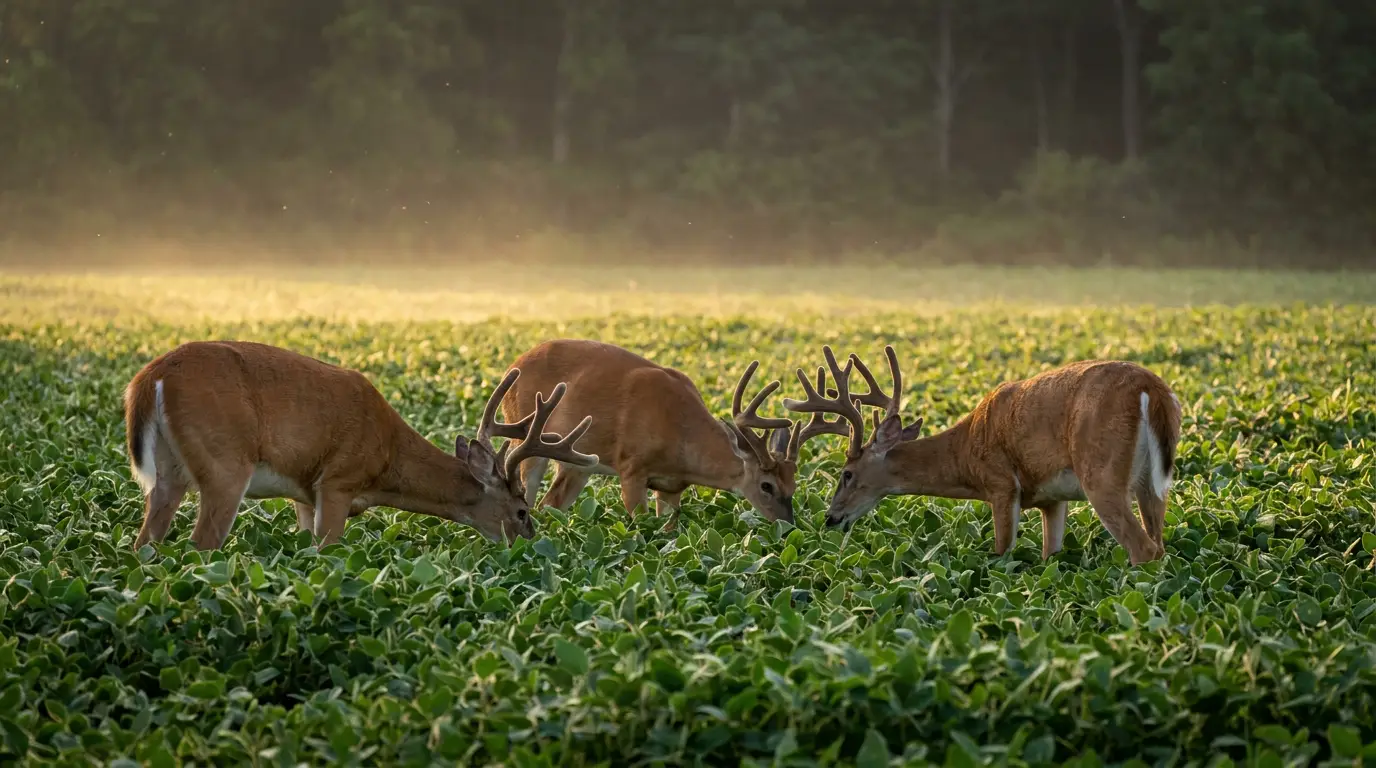
Summer bucks are creatures of habit. They run in bachelor groups and key on the most protein-rich groceries around, and few foods rival green soybeans, which often top 20 percent protein while antlers are growing, according to Mossy Oak. Mossy Oak's velvet-patterning advice is blunt about the window: locate deer on food no later than mid-July, because a buck that settles into a summer pattern will often hold it into mid-September.
The method is old and it still wins. Park a truck on a back road or climb a distant vantage in the last hour of light and put good glass on bean fields, alfalfa, clover, and shaded hay edges. Mossy Oak's low-impact scouting guidance calls long-range glassing the top low-pressure tool for a reason: you learn where bucks enter and exit a field without teaching them that hunting season has arrived. Log those entry points now. They become stand sites later. One lease note: confirm where your agreement allows vehicle access before cruising interior roads at dusk.
Run Trail Cameras Like a Census, Not a Highlight Reel
July and August camera work is about inventory: how many bucks are using the property, what age classes are represented, and which two or three deer are worth building a season around. Hang cellular cameras on plot edges, field corners, and trail intersections, check them from your phone, and stay out of the timber. Realtree's summer camera tactics and survey protocols like MU Extension's camera survey guide treat the late-summer survey as the most powerful herd-monitoring tool a private-land hunter has, good for estimating density, sex ratio, and buck age structure without a biologist on the payroll.
Practice scent discipline even now: spray down, wear gloves, and make any card pulls at midday when deer are bedded.
Know the Law Before You Pour a Mineral Site
Mineral and bait sites pull deer to a camera like nothing else, but this is where hunters get in trouble. Legality varies widely by state. Salt and mineral products are prohibited outright in many Chronic Wasting Disease management zones, and grain baiting is often restricted for much of the year, July included, as North Carolina's CWD regulations illustrate, because mineral sites can act as reservoirs for the prions that cause CWD. Before anything hits the ground, check your state wildlife agency's current rules for the county your lease sits in, then check the lease itself. Some landowners prohibit attractants regardless of what the state allows, and that is their call to make.
Prep Fall Food Plots Now, Not on Labor Day Weekend
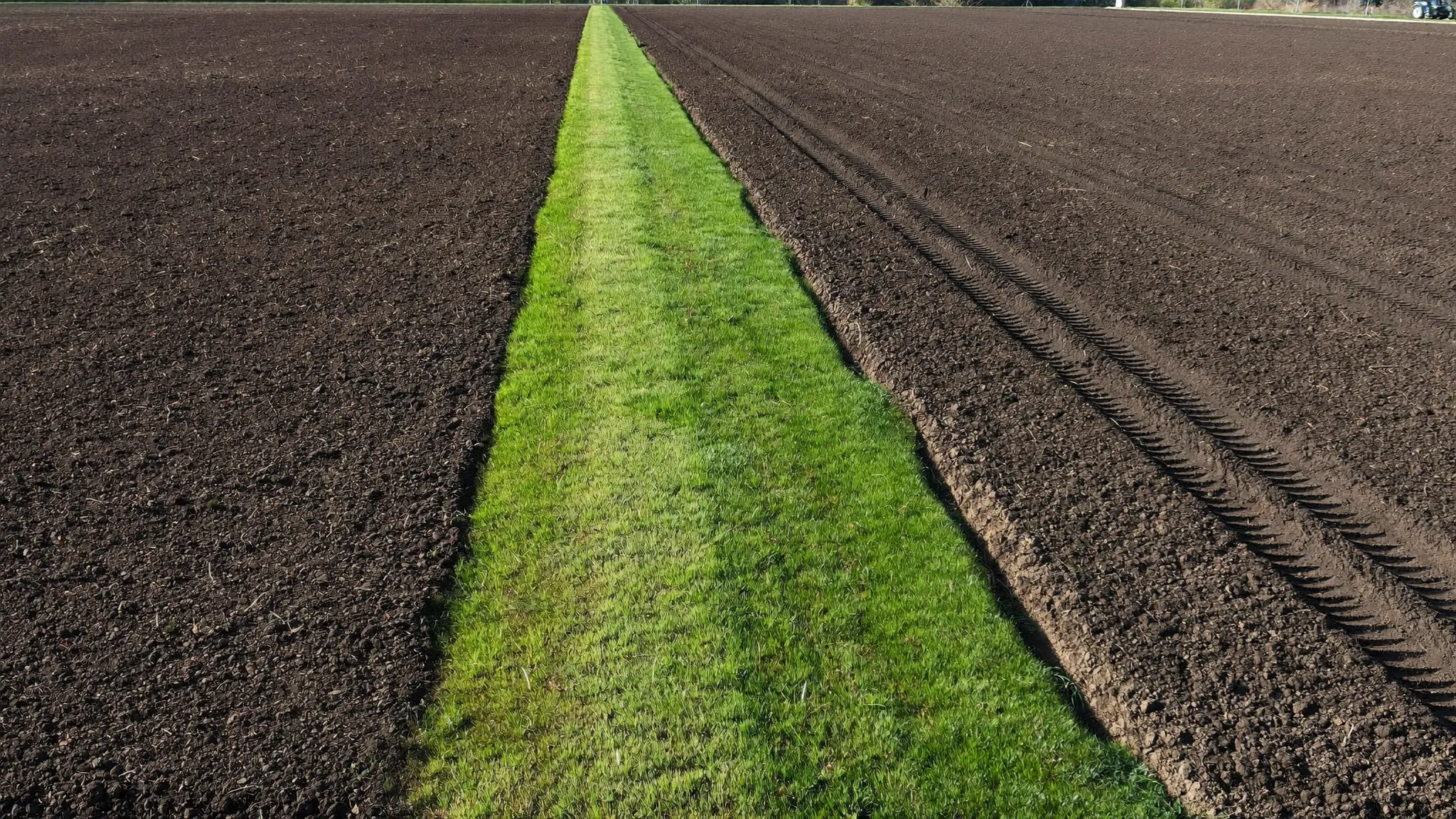
If your lease permits plots, late July into August is the cool-season planting window across much of the whitetail range. The National Deer Association notes brassicas and radishes go in first because early establishment drives production, and they need roughly 70 to 80 days of growth before first frost. Mossy Oak's brassica timing guide keeps the same calendar: brassicas in July through early August, with cereal grains like wheat, rye, and oats following from late July into September as you move south. A hunter in Minnesota is planting weeks before a hunter in Alabama, so work backward from your own frost date.
Pull soil samples this week. A test costs less than a bag of seed and tells you exactly what lime and fertilizer the plot needs. And lime takes time to work. Before the tractor rolls, get the landowner's sign-off on where you are breaking ground. Most landowners love seeing a lease improved. None of them love surprises.
Hang Stands, Set Blinds, and Cut Access Early
Every stand you hang, blind you brush in, and access trail you trim in July is disturbance the deer have two months to forget. Do the loud work now: shooting lanes, ladder sections, box blinds, and the quiet entry routes that let you slip in downwind come October. Cut lanes settle, scent fades, and the property goes back to sleep before velvet ever peels. Again, know what your lease allows. Permanent stands, screw-in steps, and cut trees are commonly restricted, and a July phone call to sort it out is exactly the kind of contact that makes a landowner want to renew with you next spring.
Mock Scrapes: The Late-Summer Inventory Cheat Code
Where bait and mineral are off the table, a mock scrape is your camera magnet. MeatEater's Wired to Hunt and Realtree both endorse summer mocks as a legal inventory tool. The recipe is simple: rake an oval to bare dirt under a licking branch at about head height, on a field edge or where trails cross, and leave the estrous lures at home. Bucks work scrapes all summer, and traffic climbs as velvet comes off, which for most bucks happens by mid-September as shortening days trigger a testosterone surge, per onX's antler-growth overview.
Still Hunting for Ground? The Clock Is Running
If you are reading this without a lease for fall, mid-July is your window. The pre-season rush hits in August and September, when everyone who put it off starts shopping at once and the best-fit properties go fast. There is still time to be the hunter glassing beans instead of refreshing listings in October, but not much.
---
Wherever you hunt, you should not have to start over every season. HLRBO connects hunters with landowners across the country, with verified listings, real lease agreements, and secure payments. Find a lease or subscribe to become an HLRBO member.