 Written by HLRBO Staff|
Last updated
North Dakota will issue 39,100 deer gun licenses for the 2026 season, down from 42,300 in 2025 and 50,100 in 2024, the state's lowest allocation in more than half a century. The tags are disappearing. The hunters are not.
The North Dakota Game and Fish Department announced the 2026 allocation on May 8, setting a gun season that runs from noon on November 6 through November 22. Muzzleloader licenses were trimmed alongside the gun total, antlerless licenses are off the table entirely in several units, and nonresident any-deer archery licenses dropped to 240, a cut of 60. The department's reasoning has not changed in three years: the deer herd is still climbing out of the hole left by the severe 2022-23 winter, epizootic hemorrhagic disease keeps flaring, and quality habitat keeps shrinking as Conservation Reserve Program acres disappear. The pain is not evenly spread. In parts of the eastern third of the state, deer gun harvest has fallen roughly 90 percent since 2005, and that is where most of this year's reductions landed.
"Conservative license allocations are intended to maintain hunting opportunities while encouraging population growth in the state," wildlife division chief Bill Haase said in the announcement. That is the whole strategy in one sentence. Issue fewer tags now, grow the herd, issue more tags later.
The 39,100 figure is the news. What it does to a hunter's odds is the story.
The draw math no agency publishes in one place
North Dakota publishes its license allocations each May and its lottery results each summer, but it never puts the two side by side across years. HLRBO did that arithmetic, and the numbers below are computed from the department's own releases, not taken from any single source.
Start with the supply side. Licenses went from 50,100 in 2024 to 42,300 in 2025 to 39,100 in 2026. That is a two-year contraction of 11,000 tags, or 22 percent.
Now the demand side. According to the department's official drawing summary, 75,874 people applied in the 2024 lottery and 74,445 applied in 2025, excluding gratis applicants (free landowner licenses) in both years. For 2026, the department reported in June that more than 72,000 individuals applied, plus over 12,000 gratis applicants. The applicant pool has drifted down about 5 percent in two years. The license pool fell 22 percent over the same window.
Divide one by the other and the squeeze is plain. In 2024 there were about 1.51 applicants for every allocated license. In 2025 it was 1.76. In 2026 it is at least 1.84, using the department's "more than 72,000" figure as a floor. Competition per tag is up roughly 22 percent in two years, driven almost entirely by supply, not by any surge in demand.
The overall ratio actually flatters the situation, because most applicants are not chasing just any tag. The 2025 drawing summary shows what happened when the pool narrowed to bucks: after 11,598 gratis licenses and 423 nonresident licenses came out of the allocation, 16,125 of the remaining licenses were buck licenses, available for the 60,958 hunters who listed one as their first choice. That is 3.8 applicants per buck tag, a best-case draw chance of about 26 percent before bonus points reshuffle the deck. Overall, 31.9 percent of 2025 applicants drew any deer gun or muzzleloader license at all.
The leftover pile tells the same story from the other end. After the 2024 lottery, more than 3,800 licenses remained unclaimed. After the 2026 lottery, with results announced June 24, more than 1,200 remained. The scraps shrank by roughly two-thirds.
Two honest caveats about what this data does not show. The department will not publish the 2026 first-choice buck breakdown until its drawing summary comes out next winter, so the 2026 buck odds cannot be computed yet, only inferred directionally from a smaller allocation and a stable applicant count. And the applicants-per-license ratio blends buck, antlerless, youth, and muzzleloader demand, so it understates how tight the buck draw actually is. The arithmetic here is a floor, not a ceiling.
South Dakota is cutting from the same playbook
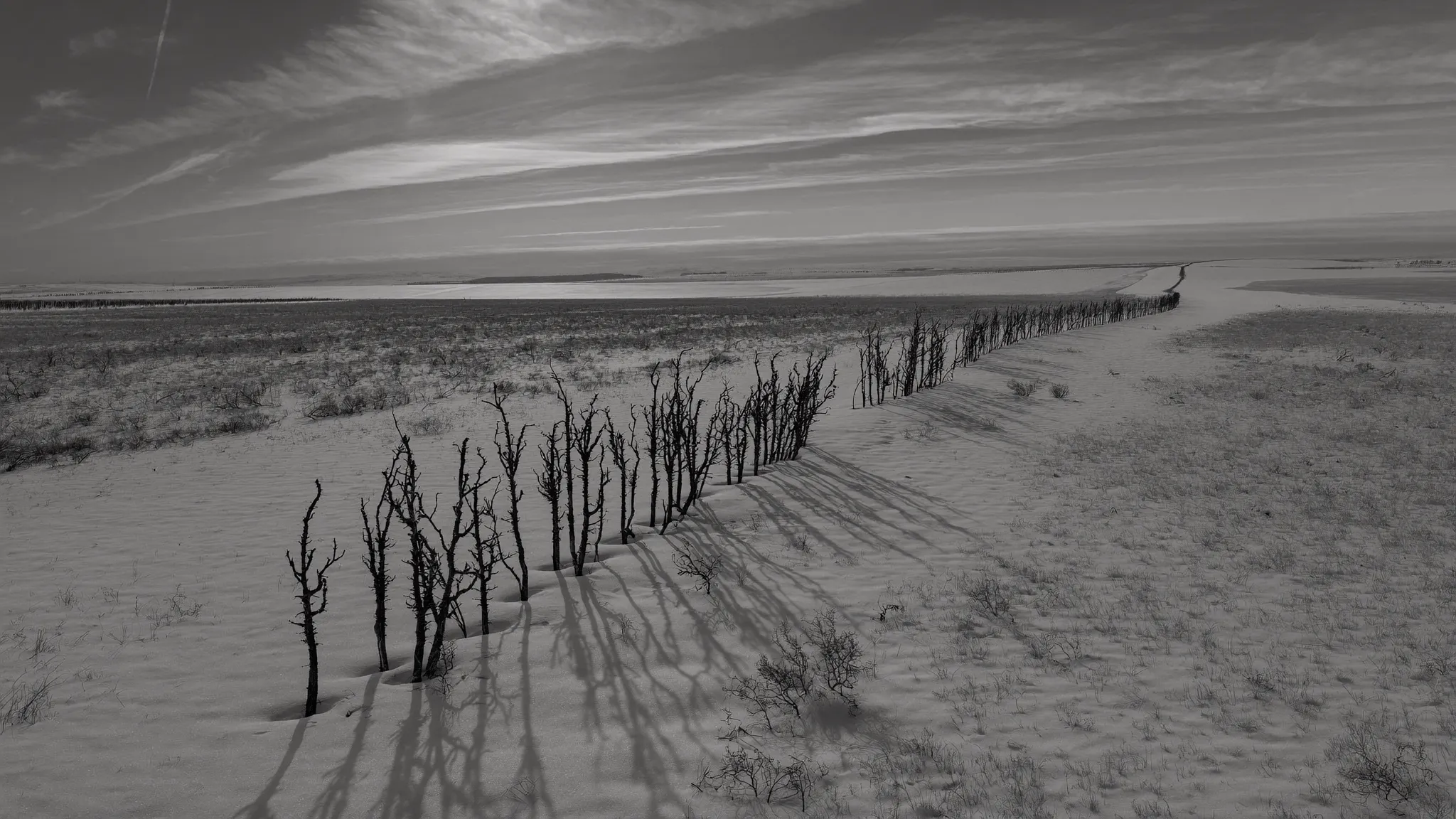
One state south, the South Dakota Game, Fish and Parks Commission approved its own reductions in May, cutting East River firearm licenses by 700 tags across 12 hunting units, with individual units trimmed 20 to 50 percent based on population data. West River absorbed a matching 700-license cut. The commission also trimmed 250 whitetail doe tags in the Meade County A unit and 350 antlerless tags in Perkins County. It also converted statewide archery and muzzleloader licenses from any-deer to buck-only, a quieter change that may protect more does than the headline cuts do.
The reasons read like North Dakota's list with the geography swapped: a severe winter, spring flooding, drought stress on habitat, and multiple years of hemorrhagic disease losses concentrated in the southeast corner. In June the commission went further, voting 8-0 to close nine southeast units in Bon Homme, Clay, Davison, Hanson, Hutchinson, Lincoln, Turner, Union, and Yankton counties to the apprentice, mentored, and youth deer seasons for 2026. "It was a very tough decision," commission vice chair Bruce Cull of Yankton said, adding later, "I think we did the right thing, and I guess the proof will be how this year turns out."
Senior big game biologist Andy Lindbloom gave the commission the long view: the state rode record harvests through the 2000s, then watched winters, drought, and disease knock populations down. "We got on top of the deer herd, we had some record harvests, and our deer populations were reduced substantially, which was obviously part of our object," Lindbloom said. "But we went beyond the objective."
Why the agencies say this is the system working
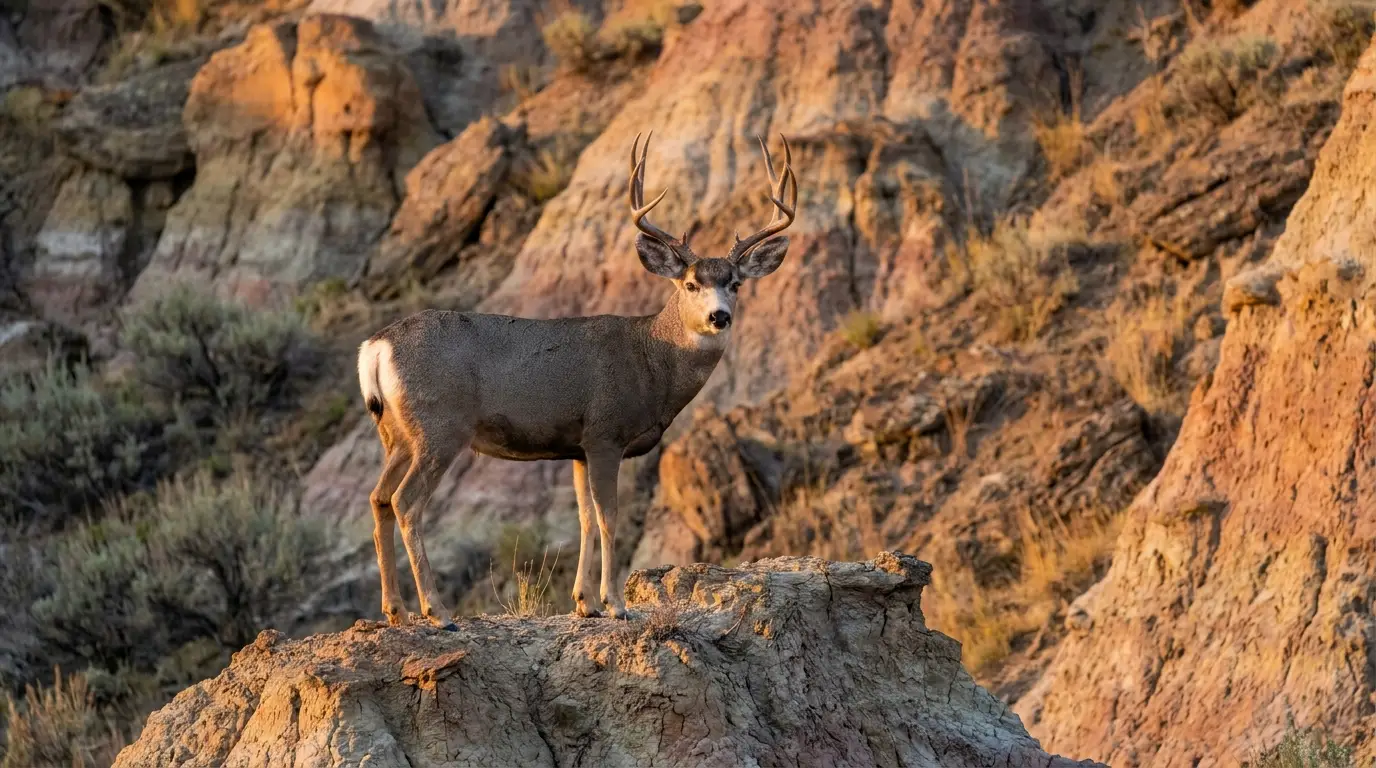
It is worth giving the agencies' position its full weight, because the data backs them in at least one place already. North Dakota's spring 2026 aerial survey found the western mule deer index up 31 percent from the previous year on strong overwinter survival, per the same May announcement that set the license cuts. Mule deer country got conservative tags after the severe 2022-23 winter, the herd rebuilt, and the survey now shows it. The badlands are the proof of concept for what Game and Fish is attempting in the whitetail units to the east.
That is the biologists' argument in its strongest form: license cuts are not the agency taking something from hunters, they are the agency spending short-term opportunity to buy back long-term herds, and the mule deer numbers show the purchase clearing. The harder question is habitat. A conservative tag count can wait out a bad winter. It cannot replant the CRP grass that used to raise fawns across eastern North Dakota, and Game and Fish has been direct that shrinking cover, not hunting pressure, is the structural problem in the units cut hardest.
None of that changes what a hunter holding an unsuccessful draw result does in August. With roughly 26,700 licenses left for the 72,000-plus lottery applicants once gratis and nonresident allocations come out, tens of thousands of North Dakotans will walk away from the drawing empty-handed. Some will bank another bonus point and wait, and some will go find a season that does not depend on a drawing. In-state, that means swapping to an over-the-counter archery tag and hunting private ground. Beyond the border, it means a neighboring state with over-the-counter or better-odds options. Either way, landowners in both Dakotas with huntable acres are sitting on demand that just got deeper. Hunters looking to compare private leases in North Dakota, South Dakota, and nearby states can do that on HLRBO.
The date that matters next is May 2027, when North Dakota sets its next allocation. If the winter is kind and the 2026 harvest comes in where biologists want it, the tag count starts climbing back. If not, 39,100 will stop being the floor and start being the trend.