 Written by HLRBO Staff|
Last updated
The Farm Bill is one of the most important laws for hunters in America, even if most don’t realize it. By directing billions into private-land conservation programs that shape habitat across most of the Lower 48, it exerts more control over wildlife habitat than any other federal law.
This massive bill addresses crop insurance and farm subsidies, but it also usually updates voluntary private-land conservation programs such as the Conservation Reserve Program.
CRP has significant interest from landowners, but hasn’t gotten enough funding in the last few Farm Bill cycles. The Theodore Roosevelt Conservation Partnership notes that after the 2014 Farm Bill made big cuts to conservation programs, the 2018 update failed to account for inflation.
The Farm Bill is usually updated every five years or so, but hasn’t seen amended language since 2018. The “One Big Beautiful Bill Act” overshadowed Farm Bill efforts in 2025 and made some stopgap measures. However, the CRP program was notably absent from the OBBA.
Thankfully, a new Farm Bill was introduced on February 13 and both farm and conservation groups are pushing for passage to finally update the massive programs it controls which affect hunters and landowners.
As the TCRP points out, half of the nation’s land is farm and cropland controlled by less than 2% of the population, so the conservation programs aimed at these lands have a massive impact on hunting and conservation.
CRP Updates
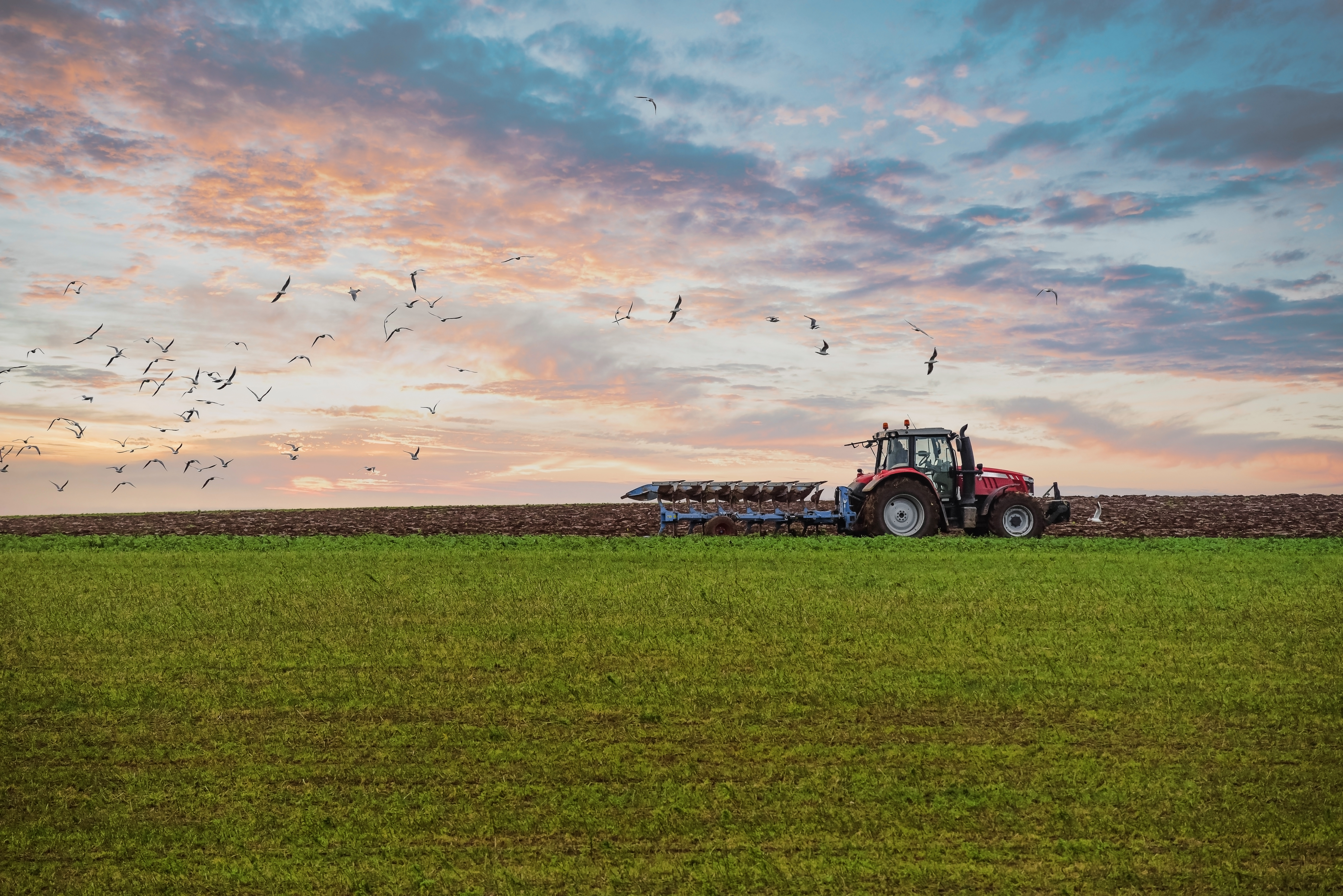
Perhaps the most important aspect of this updated Farm Bill is its updating of the CRP program. Hunters and farmers are familiar with the lands it conserves, encouraging farmers with financial incentives for leaving marginal farmlands out of crop rotation which creates ideal habitat for birds, deer, turkey and other wildlife.
The new proposed Farm Bill takes the crucial step of extending funding for the CRP through 2031. Unfortunately, as the bill is written now, it maintains the existing acreage cap of 27 million acres for enrollment in the program. Some argue that the cap is arbitrary and could be expanded significantly. The CRP application process has become highly competitive by the USDA’s own admission which ensures CRP lands chosen are excellent candidates.
The 2018 Farm Bill expanded the cap from 23 million acres to 27 million acres and there’s hope that in the upcoming debate over the details of this new Farm Bill that a similar expansion will be approved.
Where the Farm Bill Stands
After being introduced on February 13 in the House, progress on the bill stalled in part due to East Coast snowstorms.
The House Agriculture Committee Markup session is scheduled for next week on Tuesday, March 3, at 5:00 PM ET, and anyone can watch online here. While there’s sure to be plenty of debate as the bill moves through Congress, this session should establish the baseline structure of the bill.
In a press release urging Farm Bill passage, American Farm Bureau Federation President Zippy Duvall stated, “After three years of delays, farmers desperately need policy that will help give them the tools and certainty to continue growing food and fiber for every family in America.”
The Farm Bill provisions and extensions from 2018 are set to expire. If the new Farm Bill isn’t passed or new stopgap measures put in place, law would revert to existing permanent law which would fall all the way back to the 1930s and 1940s.
To learn more about the current proposed Farm Bill, check out this excellent and exhaustive summary from the American Farm Bureau Federation. You can also view the full text here.
Justin Park is a Colorado-based writer, editor, and avid hunter with a passion for the outdoors. He contributes to leading publications such as GearJunkie, Popular Mechanics, Powder, and Men's Journal, and serves as Editor of Wild Snow. Park is deeply involved in conservation and recreation advocacy, serving as Chapter Chair of the Rocky Mountain Elk Foundation (RMEF) in Summit County. He also represents RMEF on a state recreation committee focused on proactively addressing land use conflicts.