 Written by HLRBO Staff|
Last updated
Pennsylvania's Hunter Access Program, the 90-year-old system that puts hunters on enrolled private land across the state, is getting its biggest overhaul in decades for the 2026-27 season: three tiers of access, an online reservation system, and a new mapping tool that finally shows real property boundaries. It's the clearest sign yet that states are borrowing marketplace mechanics to organize private-land access.
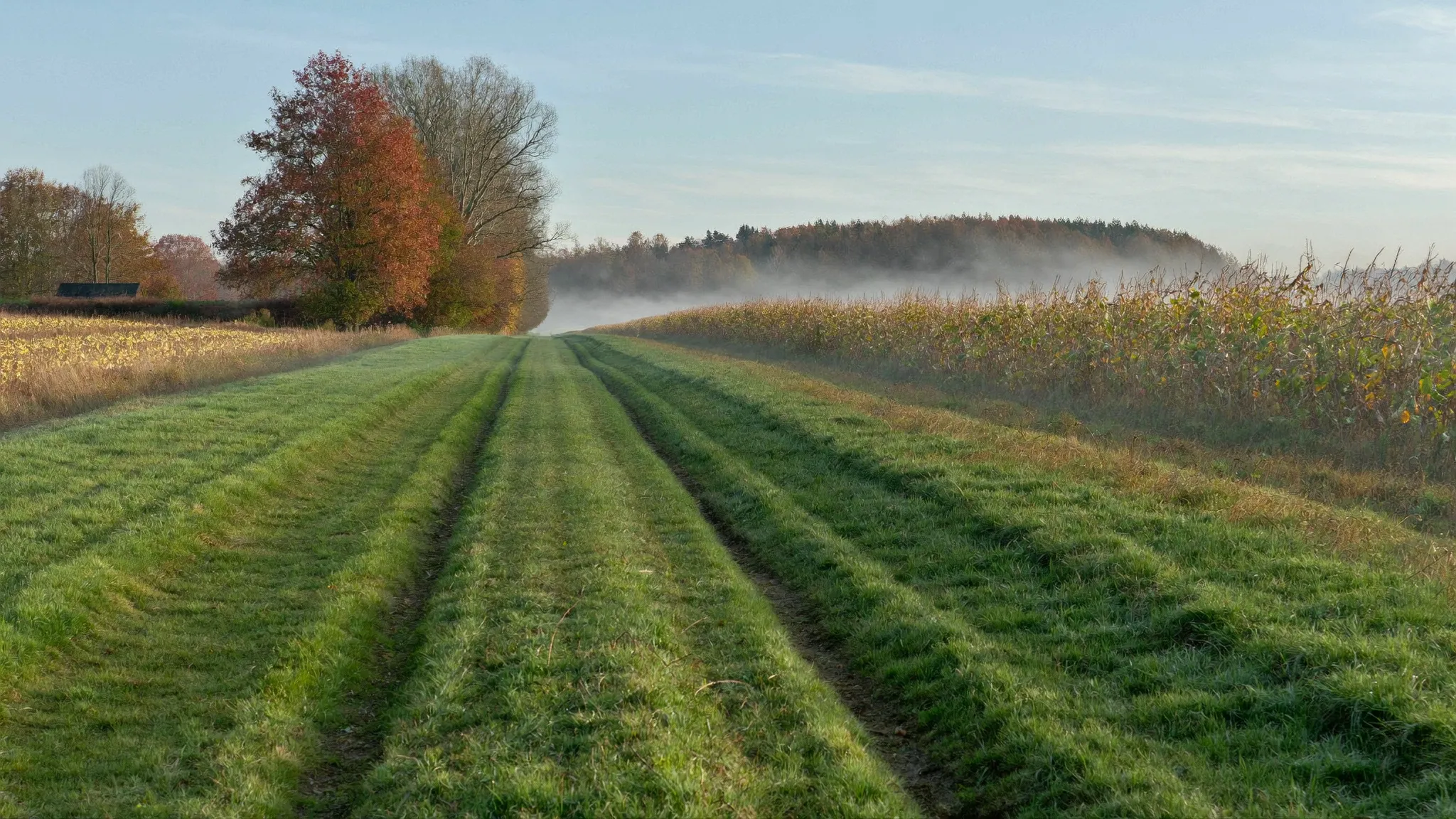
Starting with the 2026-27 season, the Pennsylvania Game Commission will sort every enrolled property into one of three access levels. Open Access properties require no permission at all. Reservation Access properties require hunters to book through the program's new website, with each hunter allowed up to 10 reservations per month, waterfowl reservations covering up to 5 hunters, and trapping reservations running in three-week blocks. Permission Access properties appear on the map, but hunters must contact the landowner through that owner's preferred contact method before setting foot on the ground.
The updated mapping system draws clear boundary lines around every cooperator property and attaches a land usage guide listing any rules or notes the landowner has set. That fixes the program's oldest complaint: hunters guessing where enrolled ground starts and stops, and what the owner actually allows.
The stakes are real. The program currently counts more than 9,500 landowners and about 1.8 million acres, down from a peak of over 2.6 million acres, according to John Taucher, the Game Commission's private lands section chief. Giving landowners more control over who shows up, and when, is how the agency plans to win ground back.
One state, national pattern
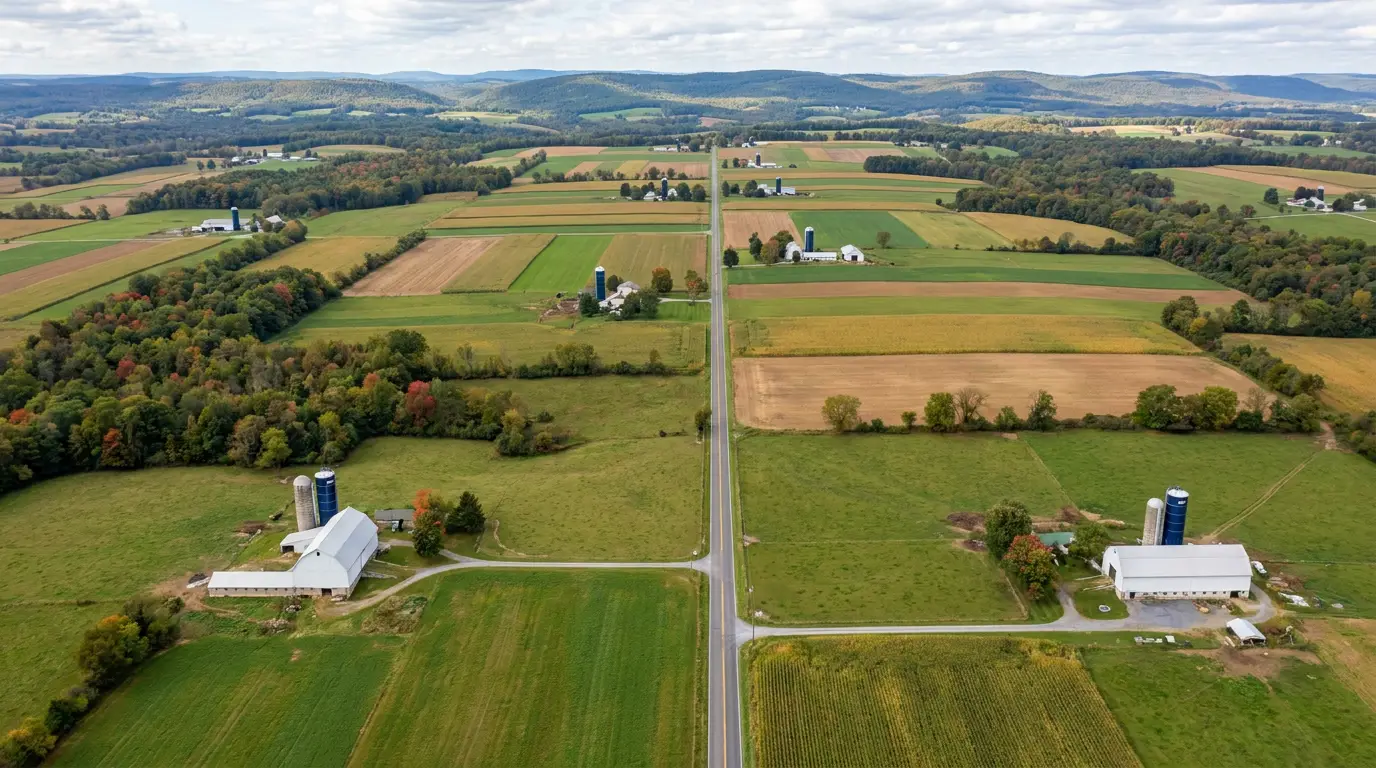
Pennsylvania is not acting alone. In April, USDA announced up to $52 million in Voluntary Public Access and Habitat Incentive Program funding, the federal grant pool that bankrolls state walk-in access programs, with applications that ran through June 8, 2026. We covered that funding round when it dropped. Montana's Block Management Program enrolled roughly 1,200 landowners and about 6.8 million acres for 2025. Kansas has run its Walk-In Hunting Access program since 1995, paying landowners a cash incentive to open more than a million acres a year.
The through line is unmistakable. Tiered access, online reservations, digital maps with hard boundaries and house rules: these are marketplace tools, applied to public access. States have figured out that landowners enroll and stay enrolled when they keep control, and hunters show up when they know exactly what they're walking into. If your state's walk-in program still runs on paper atlases and honor systems, expect a Pennsylvania-style update sooner rather than later.
---
Walk-in programs pay landowners a modest per-acre rate for open access; leasing sits at the other end of the same spectrum, with more control and more income, and HLRBO helps landowners nationwide choose the terms that fit their ground, while for hunters a lease locks in access no reservation system can bump. Find a lease or subscribe to become an HLRBO member here.