 Written by HLRBO Staff|
Last updated
By Nick LeFort
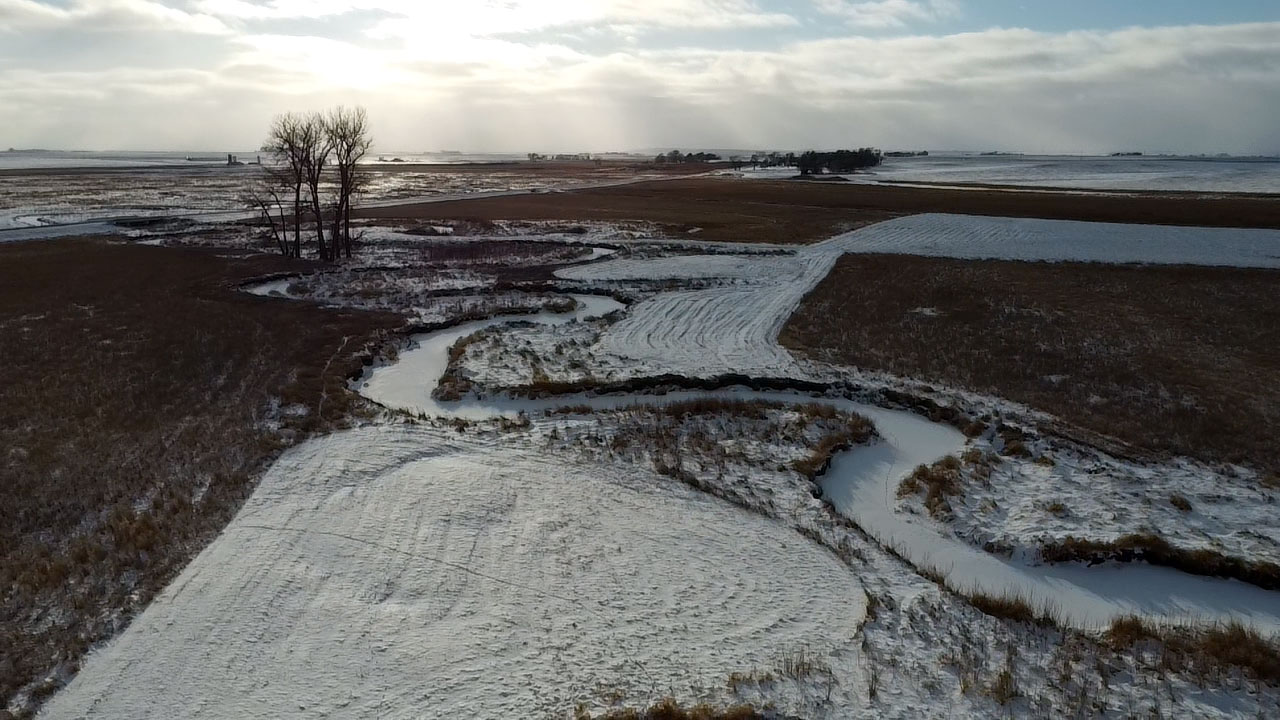
Brad Scott owns 300 acres of rolling land in southern Minnesota. For years, it sat unused—ideal for pheasant and deer, but untouched by his family.
Today, Scott leases the land each year for $5,800. That income covers property taxes and puts extra cash in his pocket. The land stays in his name, but now it works for him.
Across the country, more landowners are doing the same, turning idle acres into income by leasing their property to hunters. With rural land values at historic highs and many public hunting lands growing crowded, now is the time to tap into a growing market.
The Shift to Private Hunting Land
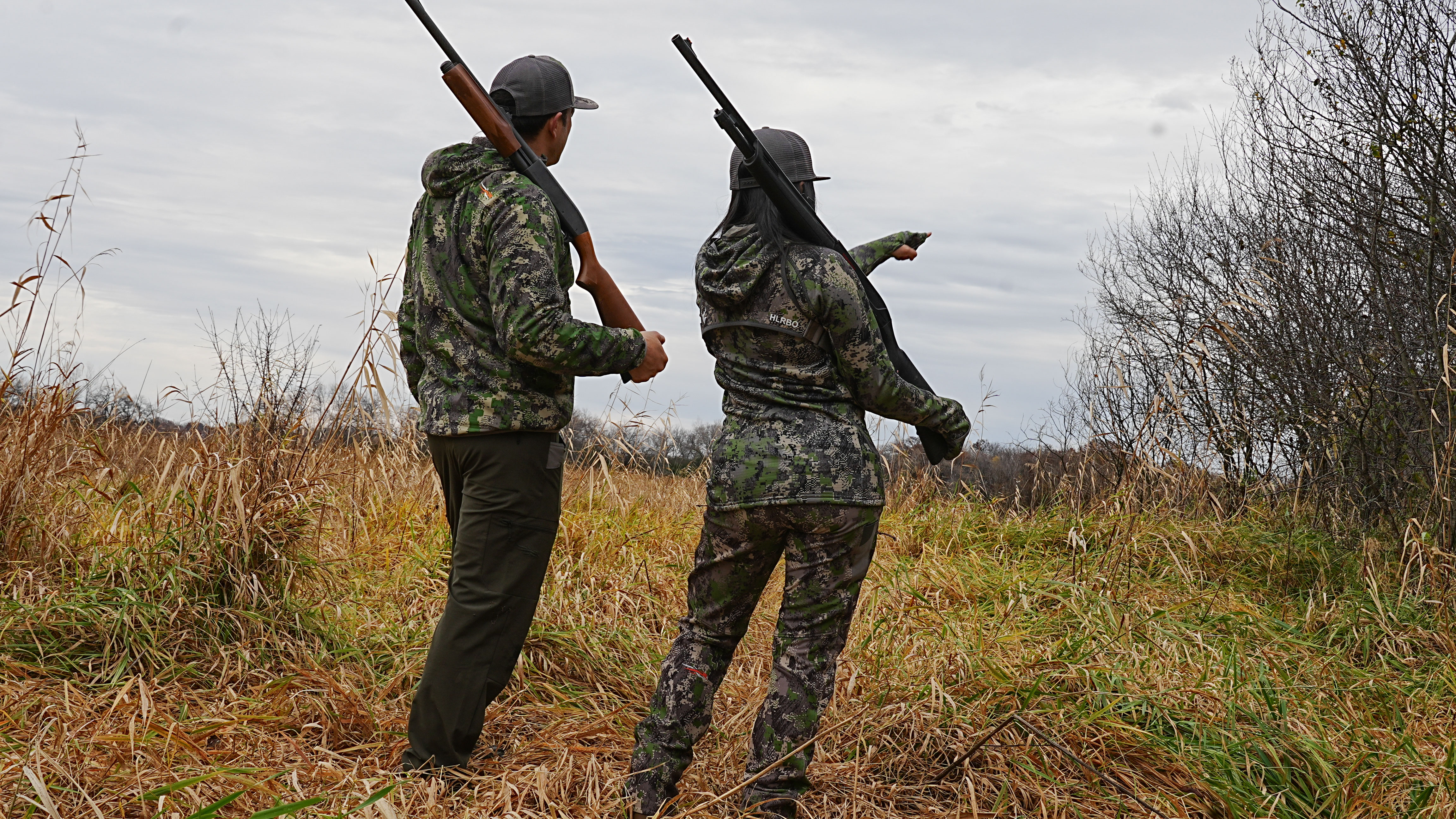
Public lands are under pressure. Increased participation and limited access have made some areas less productive. As a result, more hunters are turning to private land leases for a better experience—exclusive access, fewer disruptions, and higher success rates.
This demand is growing. According to the U.S. Fish & Wildlife Service, about 14 million people hunted in 2022. As interest grows, more hunters seek reliable, private land to hunt.
Hunting lease rates vary by state and land type. In Georgia, wooded parcels with deer and turkey lease for $15 to $50 per acre. In states like Kansas or Illinois, known for trophy whitetail, leases on mixed-use farmland with timber and fields can exceed $30 per acre, or generate up to $10,000 for a season-long lease.
“I listed the property [in Minnesota] on HLRBO for the first time this year and regret not having done so sooner,” Scott said, who netted $5,800. “The lease was claimed immediately at above my asking price, and the whole process was easy. You can not beat that.”
Wooded parcels appeal to hunters seeking cover, bedding areas, and mast-producing trees like oaks. Cropland attracts game animals for feeding and movement corridors.
A 100-acre parcel leasing at $30 per acre brings in $3,000 per season: recurring, tax-offsetting revenue with no loss of ownership. This kind of income can pay for fencing, trail maintenance, or habitat restoration, all improvements that not only attract more game but also increase long-term lease value.
2025: A Year to Lease
Land values remain elevated. Hunter demand continues to rise. And the tools available to landowners are more efficient than ever. Even small parcels—20 to 40 acres—can generate meaningful lease income if they offer good habitat and access.
For landowners with underused acreage, the math is changing. In 2025, leasing for hunting is no longer niche—it’s a smart, scalable way to put land to work.
–Nick LeFort was raised hunting and exploring in the Northeasts wilds. He now owns Vermont land and shares his passion for the outdoors with his daughters. A writer for GearJunkie, he covers topics from knives to off-roading. LeFort co-owns Ragged Mountain Knife Works and is based in Middletown, Connecticut.