 Written by HLRBO Staff|
Last updated
Idaho's new hunting technology law took effect July 1, 2026, pulling transmitting trail cameras off government land for the fall, and Iowa opened rulemaking in June to ban every camera, cellular or not, from its state game areas. For the 2026-27 season, whether your camera is legal depends less on the camera than on whose ground it stands on.
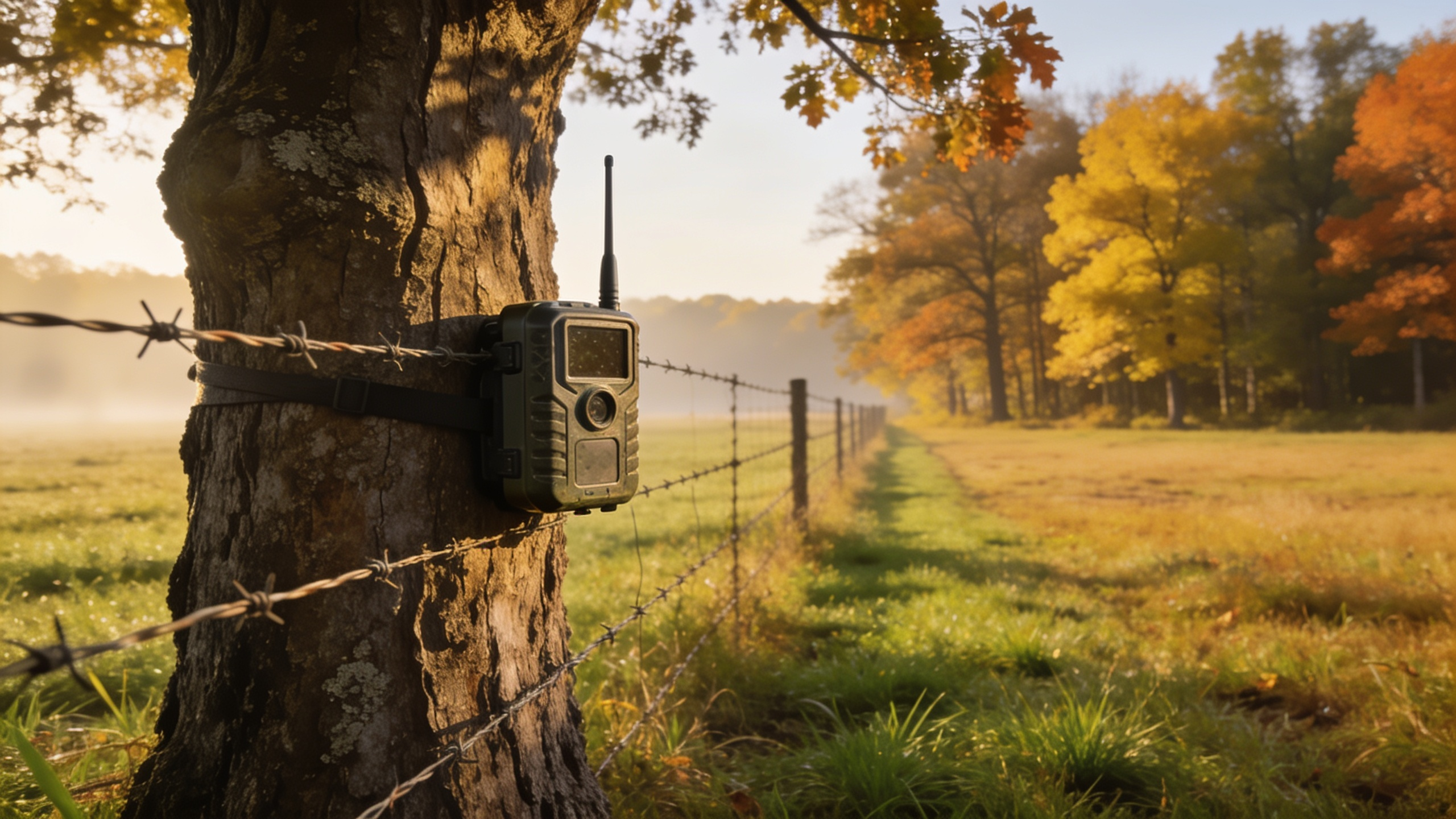
The pace of change is the story. Five years ago almost nobody regulated trail cameras. Heading into this fall, at least five states restrict them somewhere, two of those rules are brand new, and the restrictions almost all share one property: they reach public ground first.
Idaho draws a season-long line
Governor Brad Little signed House Bill 939 on April 2, and it took effect July 1, 2026. From August 30 through December 31 each year, it is illegal in Idaho to use thermal imaging, night vision, or drones to hunt or scout big game animals or game birds, and illegal to use transmitting trail cameras for those purposes on federal, state, or local government lands. The bill passed the House 67-1 and the Senate 29-6, margins that tell you the state's hunters largely asked for this; the framework grew out of a 23-member citizens working group on hunting technology.
Note what the law does not do. A standard card camera is still legal on Idaho public land. A transmitting camera is still legal on private ground. And Outdoor Life reports the carve-outs for predator management and recovering wounded game are wide enough that enforcement will be a genuine question this fall.
Iowa goes further, and not just on cell cams
Iowa's Natural Resource Commission is moving through rulemaking to ban all trail cameras in state game management areas, the card-in-the-tree kind included. The DNR's Chris Ensminger notes the transmitting question is already settled in Iowa, and more broadly than most hunters realize: "cellular cameras are not legal currently anywhere, private or public land," while actively hunting. What the new rule would add is the rest of it, on public ground, citing complaints from other users and the principle that hunters should not gain what the commission's background materials call an unfair technological advantage over game. The rule was still in process as of early summer; Iowa hunters should confirm its status before hanging a camera on a wildlife area this fall.
The bans already on the books
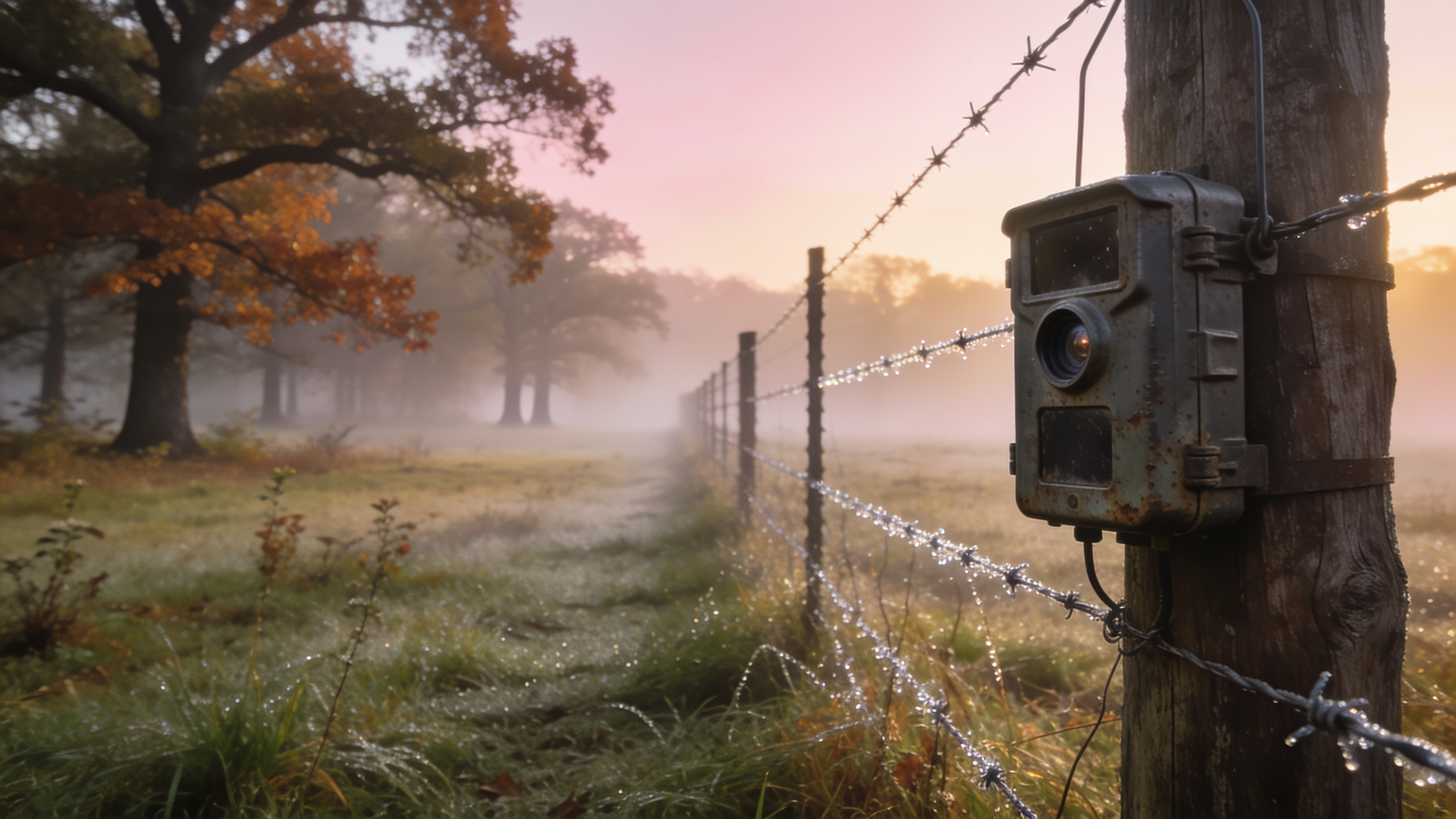
Three more states set the earlier markers, each with its own reach for the 2026-27 season. Arizona bans all trail cameras for the purpose of taking or aiding in the take of wildlife, year-round, on public and private land alike, the broadest rule in the country. Kansas bans cameras on its public lands and on Walk-In Hunting Access ground, the privately owned acres leased into public access. Delaware has banned cameras on public lands since June 2023. Utah, which restricts transmitting cameras during its big game seasons, helped start the trend. Verify the current text with each agency before you travel; these rules have moved almost every year, which is rather the point.
The fair-chase argument, given both barrels
The case for the rules is not hard to state, and its most credible messenger is one of hunting's oldest institutions. The Boone and Crockett Club has opposed real-time scouting technology on fair-chase grounds, and the agencies write the same logic into their rulemaking: a hunter running a dozen cellular cameras on a waterhole, phone buzzing every time a buck walks through, is doing something categorically different from reading sign. Add crowding, and cameras become a way of claiming public ground without standing on it.
The case against is just as real, and it belongs mostly to hunters with jobs. A cell camera is how a parent with two free weekends a season learns a property, watches a food source shift, and hunts three good hours instead of burning thirty. Used that way it is a learning tool and a time machine, not a kill switch, and the millions of cameras sold say most of the community sees it that way. Both positions are held by serious hunters in good faith, and the states are settling it one legislature at a time.
The line keeps landing on the fence
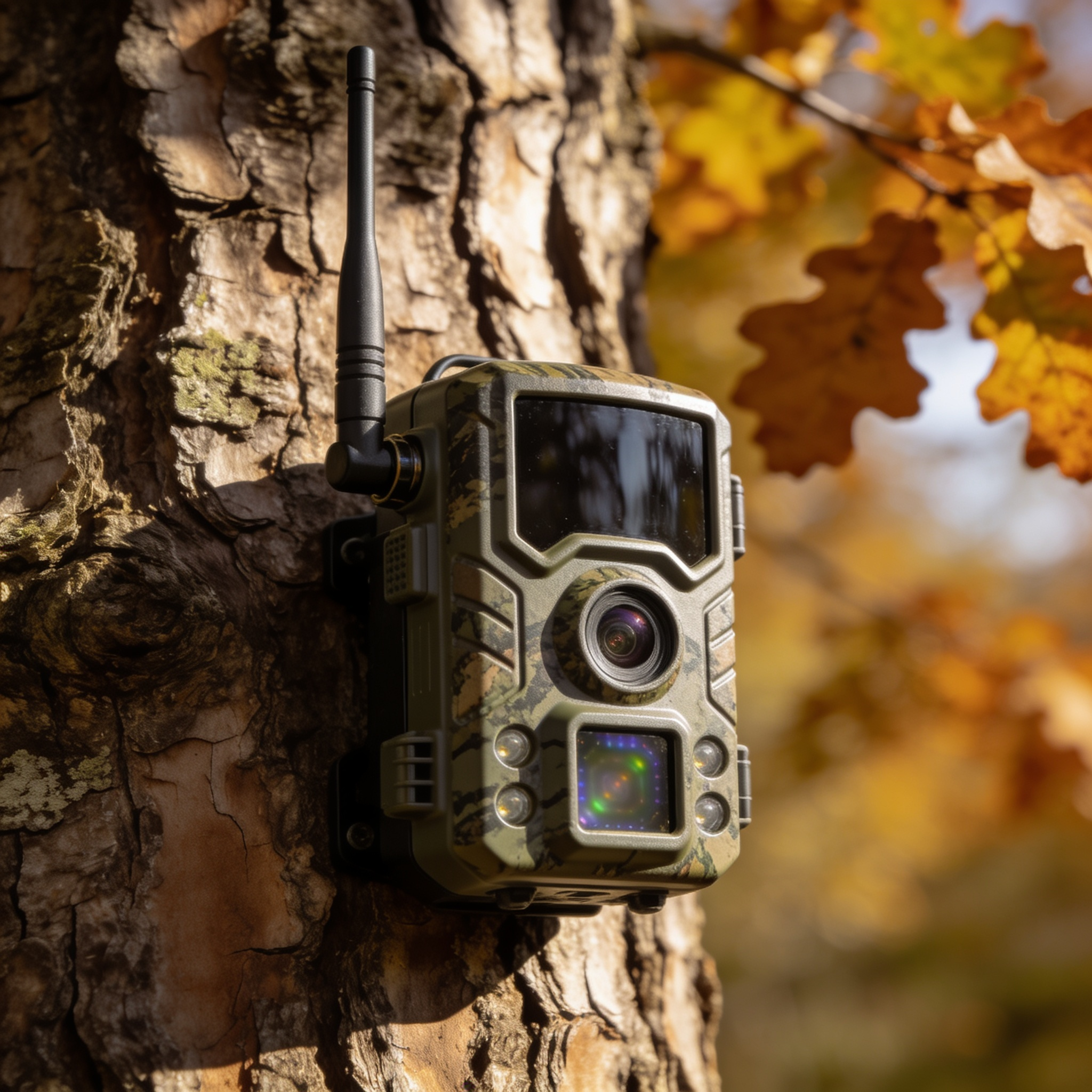
Set the rules side by side and the pattern is hard to miss. Idaho's transmitting ban applies to government land. Kansas draws the line at public and program ground. Delaware's ban is public-land only. Iowa's proposed total ban covers state game areas. Arizona is the exception that proves the trend possible in both directions, reaching private ground too, and Iowa's active-hunting transmit rule follows a behavior rather than a boundary. But in most of the country, most of the new restriction lands on the public side of the fence, and what remains fully legal, season-long, is the camera on ground you own or lease.
That has a consequence nobody wrote into a bill. Scouting technology is quietly becoming part of what private access includes. The hunter who leases 160 acres this fall is not just leasing the acres. In a growing number of states, they are leasing the only place their cameras can legally work all season.
Whether that widening gap is a problem or a market is this fall's version of a very old question, and hunters will answer it the way they always have: with where they choose to hunt.
Wherever your state lands, cameras on leased private ground remain legal in most of the country, and knowing a property before opening day is half the value of a lease. HLRBO connects hunters with landowners in all 50 states, and its Trail Cam Network puts eyes on listed properties. Find a lease.