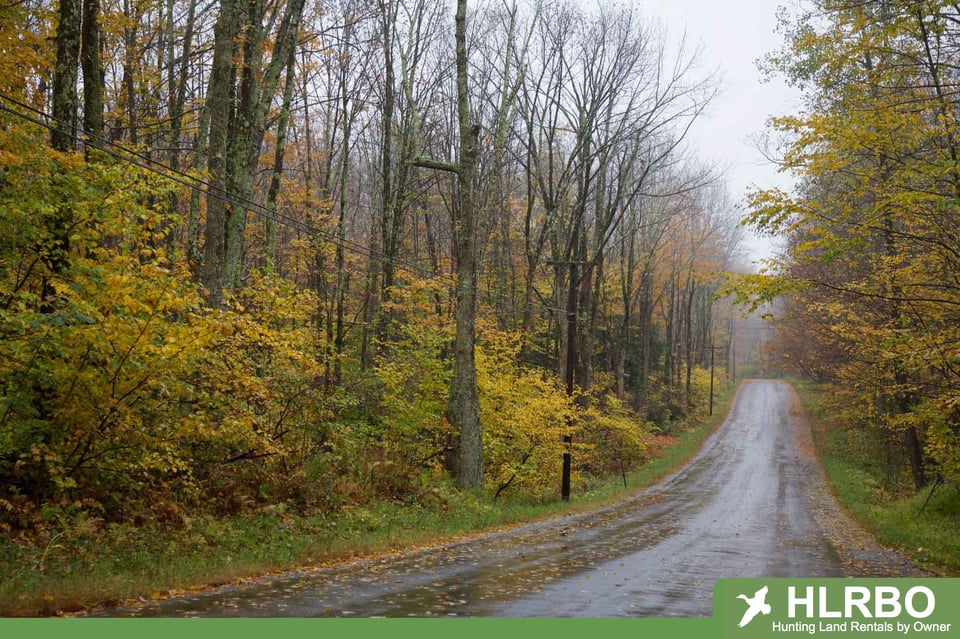
Plum Creek Woods features a steep-sided ravine with sandstone outcrops and a rich remnant of southern mesic forest on the north facing slopes. Sugar maple, American elm, basswood, red oak, red elm, and ironwood dominate the canopy, and butternut (Juglans cinerea), a tree species of special concern is also present. Shrubs include American bladdernut, eastern leatherwood, hazelnut, and alternate-leaved dogwood. The herb layer is quite diverse and contains a significant population of the state-threatened snow trillium (Trillium nivale). Other herbaceous species include blue cohosh, large-flowered trillium, wild ginger, bishop's-cap, water-leaf, sharp-lobed hepatica, common scouring rush, and wood nettle. A scenic sculptured cove is present in the sandstone-sided drainage. Bulbet bladder fern, brittle bladder fern, and slender cliff brake grow among the outcrops here. Dutch elm disease has killed a few elms and canopy openings are rapidly filling with sugar maple seedlings. The surrounding uplands have suffered more past disturbance although some fairly good quality oak woods with a dense understory of ironwood and black cherry is also present. Birds include ovenbird, blue-gray gnatcatcher, northern parula, cape may, blackpoll, American redstart, Nashville, and bay-breasted warblers. Plum Creek Woods is owned by the DNR and was designated a State Natural Area in 1993.