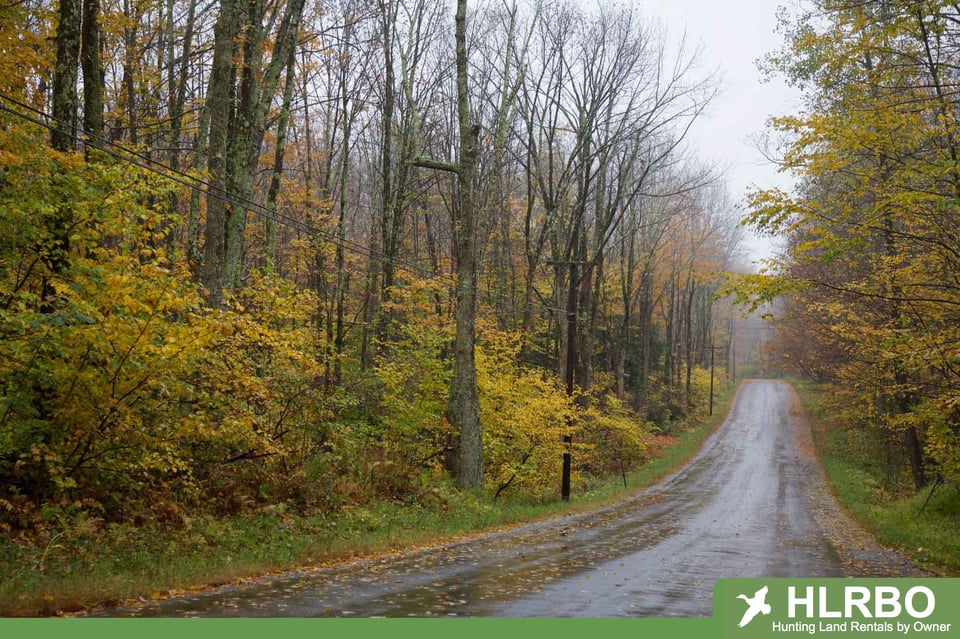
It consists of upland hardwood forests located on the hilly Crowley’s Ridge section, with approximately 2500 acres of bottomland timber adjacent to the St. Francis and Mississippi Rivers. The St. Francis has two man made lakes, Bear Creek and Storm Creek, established in 1938 and opened for fishing in 1940 and 1942 respectively. Both lakes were initially stocked with bass, bream and crappie and are cooperatively managed by the USFS and AGFC fisheries biologist.
Being situated on Crowley’s Ridge that is a loess (windblown) formation, in itself makes it a unique area to the state. A race of Indians known as the "mound builders’ once inhabited the area. Their dead were placed in mounds, along with their implements considered necessary for existence in another world. In July 1961, archeologists investigated a large mound near Helena. Their findings supported the belief that these people were of a race much older than the American Indian. The lands along the St. Francis and Mississippi Rivers were first settled in the late 1700’s and early 1800’s. A French trading post was established above Helena in 1766, which later became Montgomery’s Point, one of the most noted landings on the Mississippi River. The first white settlement was near the mouth of the St. Francis River, which has since been taken by the Mississippi River. It is said that the first white child born at this settlement was supposedly the first white child born in Arkansas.
It is accessible by highway 44 from Marianna and by highway 1 and 242 from Helena-West Helena, with information signs on highway 1 in Marianna and highway 242 in Helena-West Helena.
They are diverse with expanding populations of deer and turkey. Deer, turkey and squirrel hunting are the favorites on the area. Raccoons and other furbearers, cottontails and swamp rabbits, ducks, geese, mourning doves, bobwhite, woodcock, coyote and snipe are hunted and\or trapped on the area. Relative abundance of these animals is subject to seasonal fluctuation, climatic factors, etc.