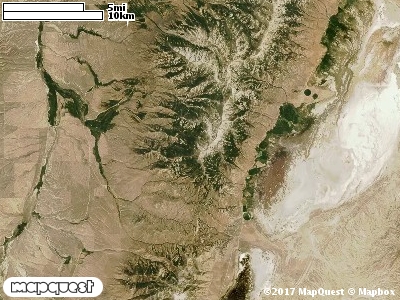
The Humboldt Wildlife Management Area (HWMA), also
known as Humboldt-Toulon, is located in Pershing and Churchill
counties, Nevada, approximately 10 miles southwest of Lovelock
and 80 miles east of Reno/Sparks. The area that comprises the
HWMA has a rich history of human activity starting as early as
2,000 B.C. with Native American tribes that occupied cave dwellings
in the West Humboldt Range and hunted for wetland associated
wildlife within the Humboldt Sink (Sink). In the early 1910s,
numerous artifacts were discovered in the cave sites surrounding
the Sink including the world’s oldest (at over 2,000 years) known
waterfowl decoy made from tules. During the mid 1850s, emigrants
traveling West used the Emigrant Trail which travels along the
west side of the Sink. The settlers would stop at what is now the
Toy Railroad Siding to stock up on fresh water before beginning
their trek across the Forty Mile Desert. In 1953, the Nevada Fish
and Game Commission began efforts to create a state managed
wildlife area within the Sink. Through a series of leases, purchases,
land trades and donations, the HWMA was created and today
comprises a total of 36,060 acres of land.
The use or possession of shells for a shotgun containing shot that is toxic or larger than standard-sized T is prohibited. The use of shotguns capable of holding more than three shells is prohibited unless it is plugged with a one piece filler, incapable of removal without disassembling the gun so its total capacity does not exceed three shells.