 Written by Justin Park|
Last updated
Record deer numbers are reshaping rural land management. As one example, Missouri’s 2023–2024 deer harvest hit 326,448, up from prior years and signaling rising pressure on farms and forests.
Over-browsing by deer damages crops, trees, and native plants. For this article, I examined how hunting can reduce deer-related damage. I also looked at how platforms like HLRBO can aid in restoring balance to farmland and forests.
Too Many Deer?
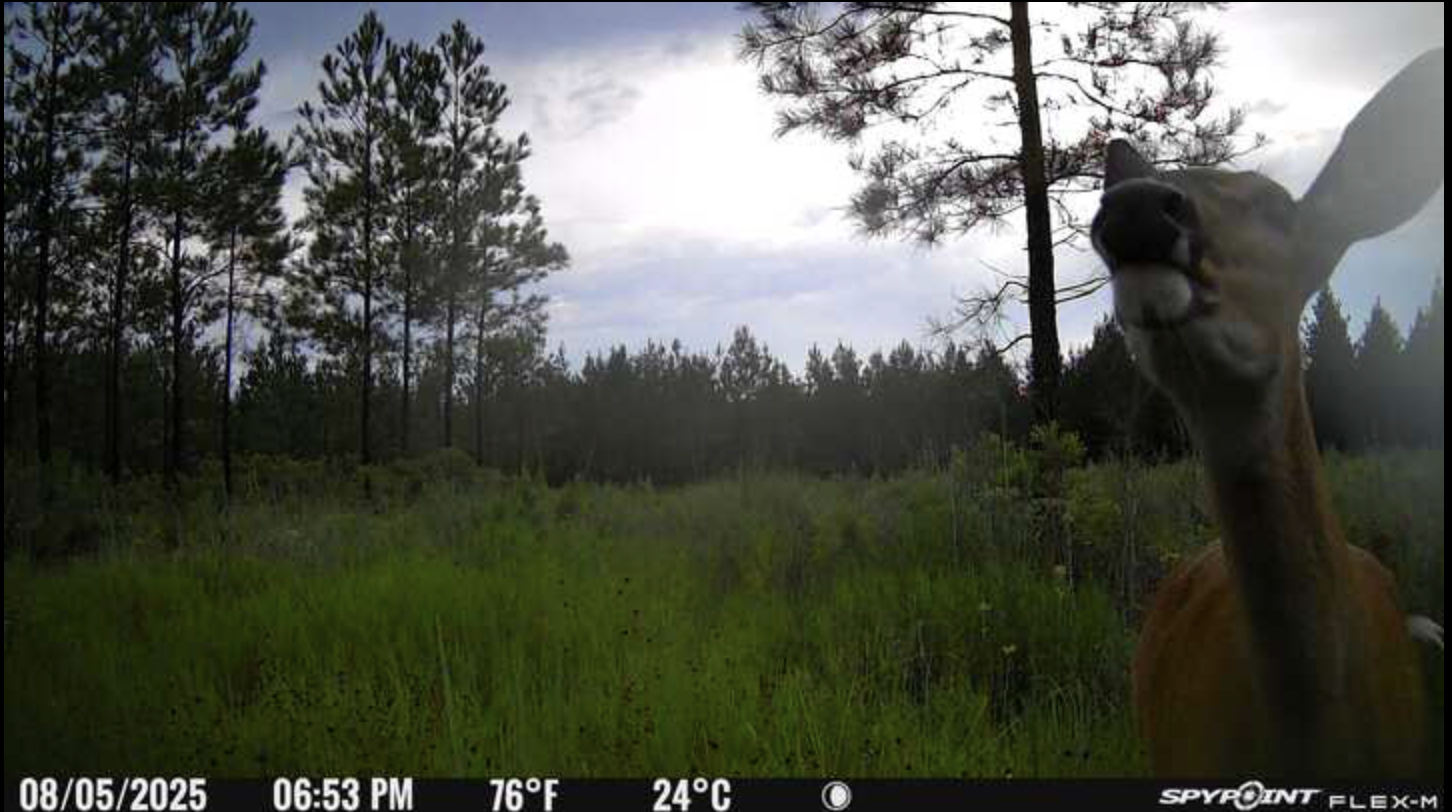
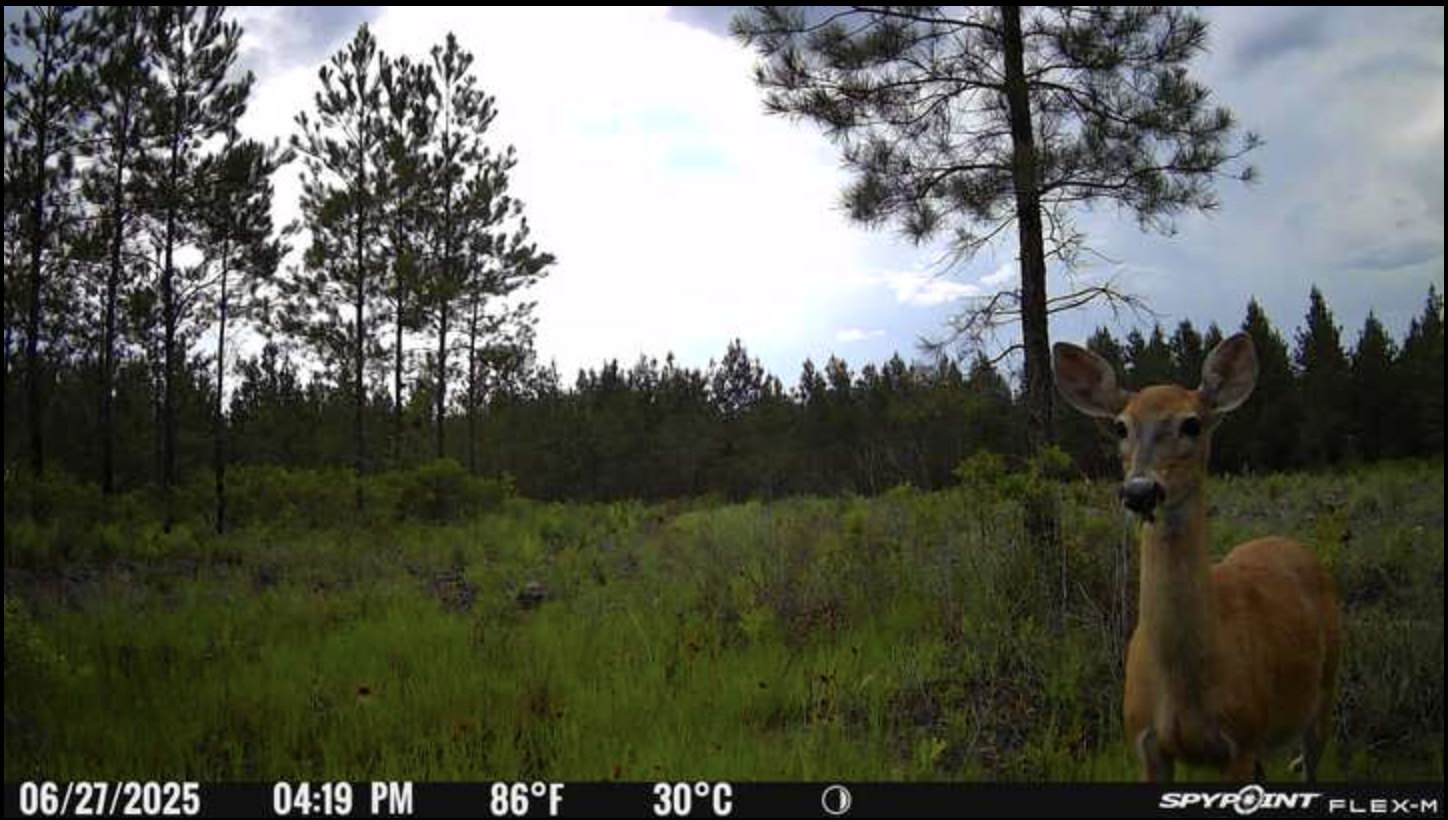
There is such a thing as too many deer, and many whitetail habitats in the U.S. have reached that point. After being hunted nearly to extinction during European settlement of the continent, whitetail deer have bounced back fully.
Today, the modern patchwork of suburbs and agriculture, combined with a lack of natural predators, is boosting deer numbers to levels that hurt agriculture, herd health, and ecosystem diversity.
Research shows mixed results on controlling whitetail overpopulation through hunting. Its effectiveness is limited when private landowners neither hunt nor lease their land, creating safe havens for deer.
Allowing hunting on your property and following herd management practices can be part of a multi-pronged approach to limit the damage done by deer.
Whitetail Deer Can Hurt the Land
In a 2021 study, Rutgers University showed cases from New Jersey farmers dealing with whitetail problems to the tune of a cumulative $1.3 million in damages.
The deer-related issues ranged from forcing crop rotation changes, environmental impacts, safety issues, and time and money spent directly managing deer.
A national study on the impacts of wildlife on crops from 2015-2019 suggested losses of around $592 million for farmers, with the worst impacts in the South and the East of the country.
Excess whitetail deer also create safety issues for communities with deer-vehicle collisions causing property damage, injuries, and death. A Department of Transportation study found that wildlife-vehicle collisions cost Americans more than $8 billion annually and kill about 200 people each year.
Whitetail deer also have outsized impacts on forest health and will completely browse off the understory in a forest when populations exceed the carrying capacity of the land.
The only plants that remain in these scenarios are the species deer won’t eat, skewing the makeup of the forest over the long term. These changes to forested lands can hurt the land’s value for timber production as well as for hunt leasing.
How Hunting Can (and Can’t) Control Deer
At the macro level, recreational hunting is the primary tool by which wildlife management agencies control game animal populations. This is the cornerstone of the North American Model of Wildlife Conservation, which is largely responsible for the bounce back of wild animals on the continent.
While some states are experimenting with reintroducing apex predators such as wolves, those strategies aren’t a realistic option for deer control in highly populated areas.
Still, hunting is no magic bullet. A Cornell study found that both sterilization and recreational hunting were mostly ineffective. However, hunting was effective when odds were tilted by allowing bait sites.
If populations can’t be culled, Quality Deer Management (QDM) and Trophy Deer Management (TDM) practices encourage allowing young bucks to mature and to cull a sufficient number of does.
Tip: Contact the local branch of your state’s wildlife department to see about free programs to help landowners develop deer management plans. (New York state, for example, has a Deer Management Assistance Program.)
Heath Schubert, CEO and founder of HLRBO, encourages landowners to look at leasing. Hunters will pay to help manage deer on a property. “Allowing leases that restrict hunting to certain seasons is a way to control numbers, grow bigger bucks, and generate income from your land.”
A balanced approach, combining hunting and habitat management, can help keep whitetail populations in check. For property owners, leasing land to responsible hunters offers a practical way to reduce damage, support conservation goals, and generate income from their acreage.
Author Bio: Justin Park is a Colorado-based writer, editor, and avid hunter with a passion for the outdoors. He contributes to leading publications such as GearJunkie, Popular Mechanics, Powder, and Men's Journal, and serves as Editor of Wild Snow. Park is deeply involved in conservation and recreation advocacy, serving as Chapter Chair of the Rocky Mountain Elk Foundation (RMEF) in Summit County. He also represents RMEF on a state recreation committee focused on proactively addressing land use conflicts.