 Written by Justin Park|
Last updated
Did you know that foreign companies can own large tracts of land in the United States? In recent years, foreign interests have spent billions to purchase land that combined is approaching 50 million acres of American soil.
With attention on foreign ownership in the news, and with support for bans from the Trump administration, a growing number of U.S. states have passed new laws.
“Too much American land is owned by nationals of adversarial countries, and more than 265,000 acres in the United States are owned by Chinese nationals, much of which islocated near critical U.S. military bases,” said U.S. Agriculture Secretary Brooke Rollins at a press conference.
.
What does foreign ownership mean for American landowners, hunters, wildlife, and hunting access? Rural lands are often sought-after hunting grounds, and ownership of private tracts will determine if hunting is allowed on the land via state-run walk-in access programs, private leasing, and other means.
The State of Foreign Ownership in the U.S.
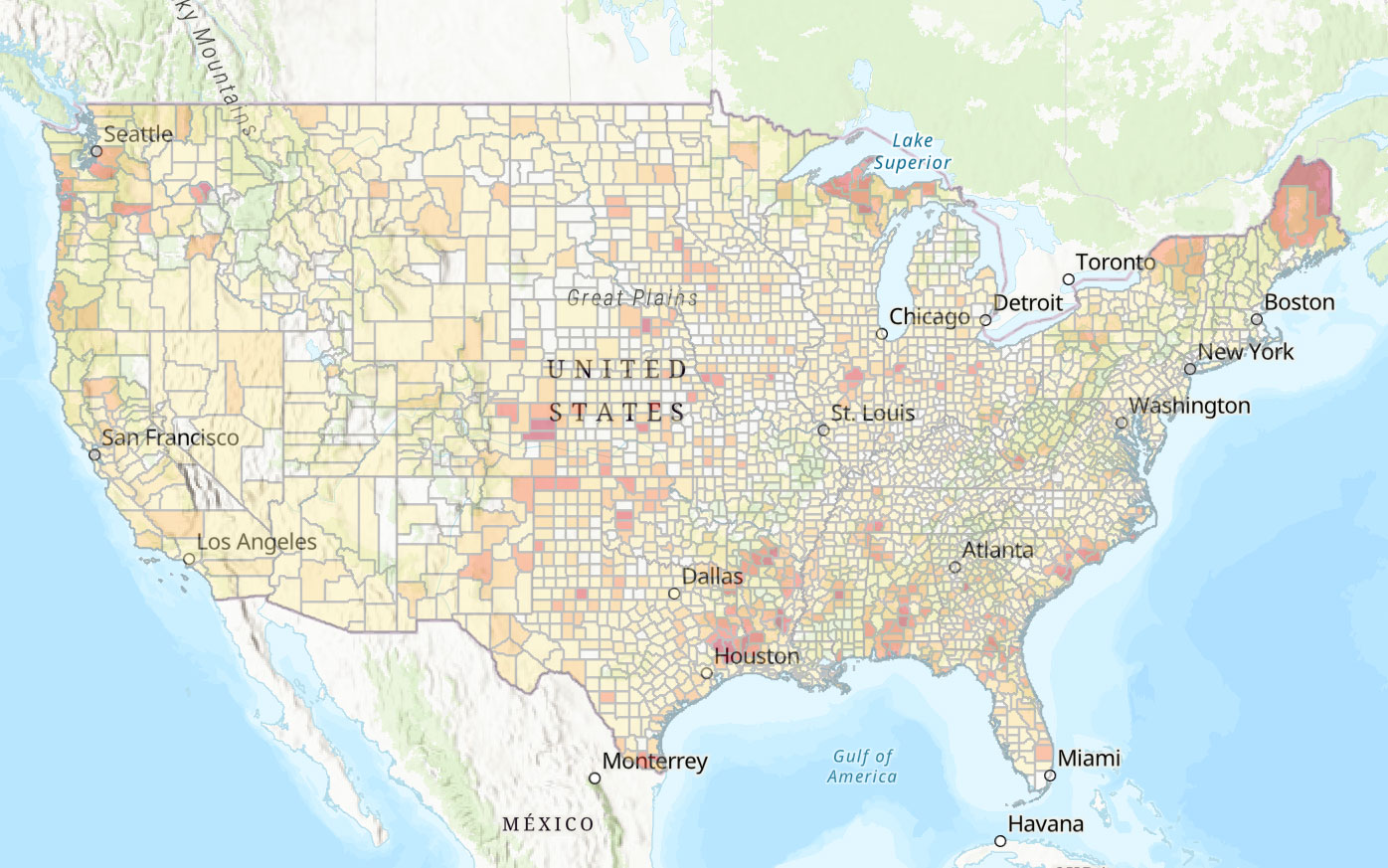
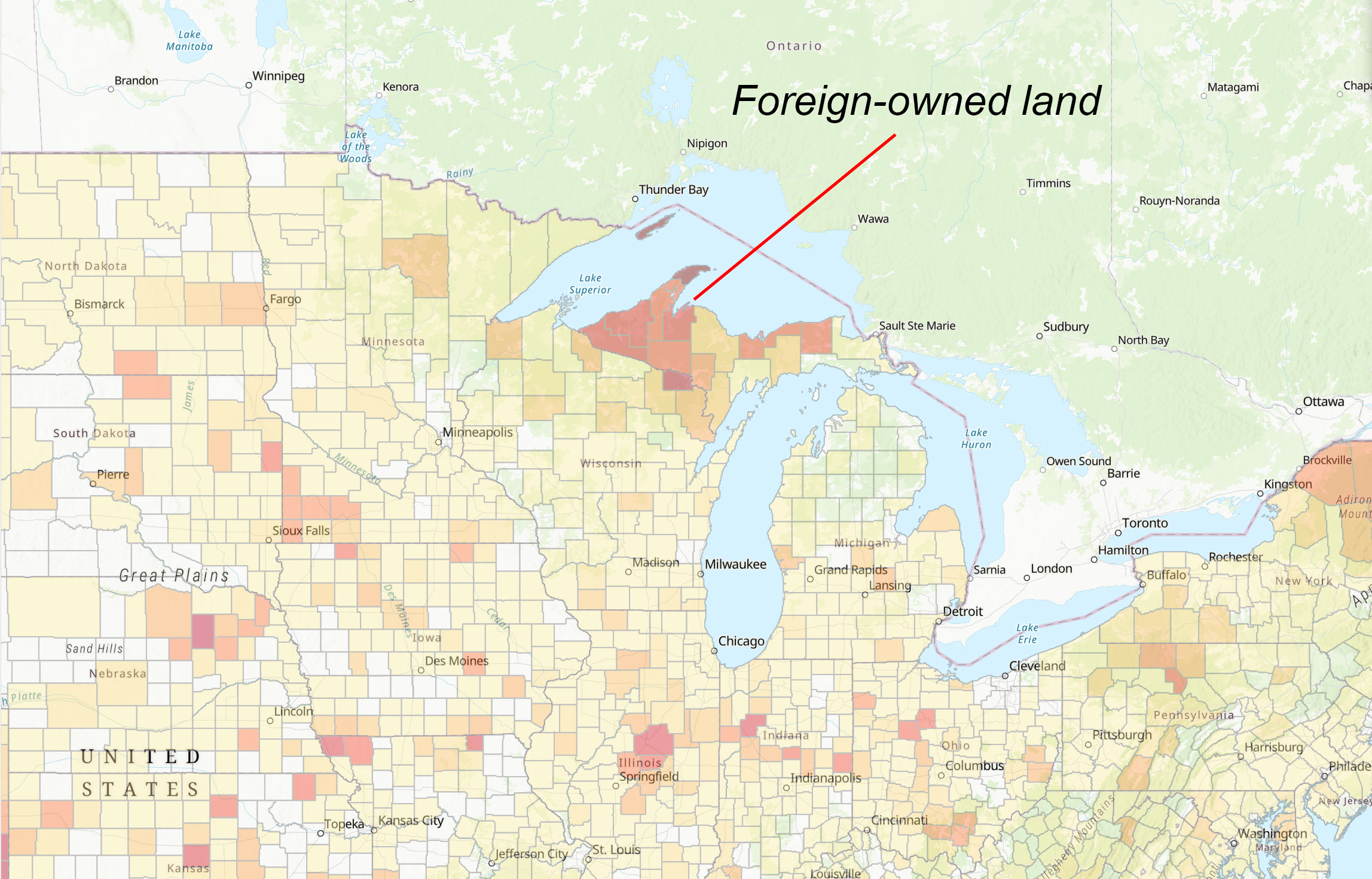
An estimated 46 million acres are owned by foreign nationals, according to a 2023 USDA report. That is about 2% of the land mass of the United States, and the number is growing.
According to a report from the American Farm Bureau Federation, foreign-owned ag land increased by 1.6 million acres between 2022 and 2023. (View an interactive USDA map of foreign ownership here.)
The USDA’s data is a bit dated and potentially incomplete since reporting under the Agricultural Foreign Investment Disclosure Act has been spotty. In June, a bill was proposed in Congress to modernize the reporting system and the USDA is cranking up fines for false or late reporting.
In addition, states are moving to ban foreign ownership outright, with the full support of the White House and the USDA.
“USDA will work alongside State and Congressional partners where applicable to take swift legislative or executive action to end the direct or indirect purchase or control of American farmland by nationals from countries of concern or other foreign adversaries,” states the National Farm Security Action Plan.
Despite enthusiastic backing, it’s not clear that states will have an easy time imposing new laws. Arkansas passed laws in 2023 restricting foreign ownership, but in 2024 a judge froze enforcement after the state was sued by a foreign-owned business.
Banning Chinese corporations with ties to the government from buying plots near U.S. military bases sounds like a no-brainer. A counter argument is that the wide net cast by some laws could have side effects that hurt investment in the U.S. economy.
Impact on Hunters and Rural Landowners
Bans on foreign ownership (or their repeal in the courts) might not have much effect on hunters and hunting leases.
Heath Schubert, founder and CEO of HLRBO, says that the company has had both foreign and corporate owners use the platform. An international corporate ownership doesn’t necessarily mean a closed door on hunters, he said.
Schubert points out, however, that a platform like HLRBO is likely the only way to arrange a hunting lease with a corporate owner or one based out of the country.
“I think it’s unlikely you would be able to approach a corporate landowner and ask for hunting access on your own,” he said.
Whether proposed bans take hold or are struck down in court, the issue of foreign land ownership is now front and center in U.S. policy.
As lawmakers weigh security, economic growth, and property rights, the outcome will shape not just who owns the land, but who gets to access and use it in the years ahead.
Author Bio: Justin Park is a Colorado-based writer, editor, and avid hunter with a passion for the outdoors. He contributes to leading publications such as GearJunkie, Popular Mechanics, Powder, and Men's Journal, and serves as Editor of Wild Snow. Park is deeply involved in conservation and recreation advocacy, serving as Chapter Chair of the Rocky Mountain Elk Foundation (RMEF) in Summit County. He also represents RMEF on a state recreation committee focused on proactively addressing land use conflicts.