 Written by HLRBO Staff|
Last updated
By Seiji Ishii
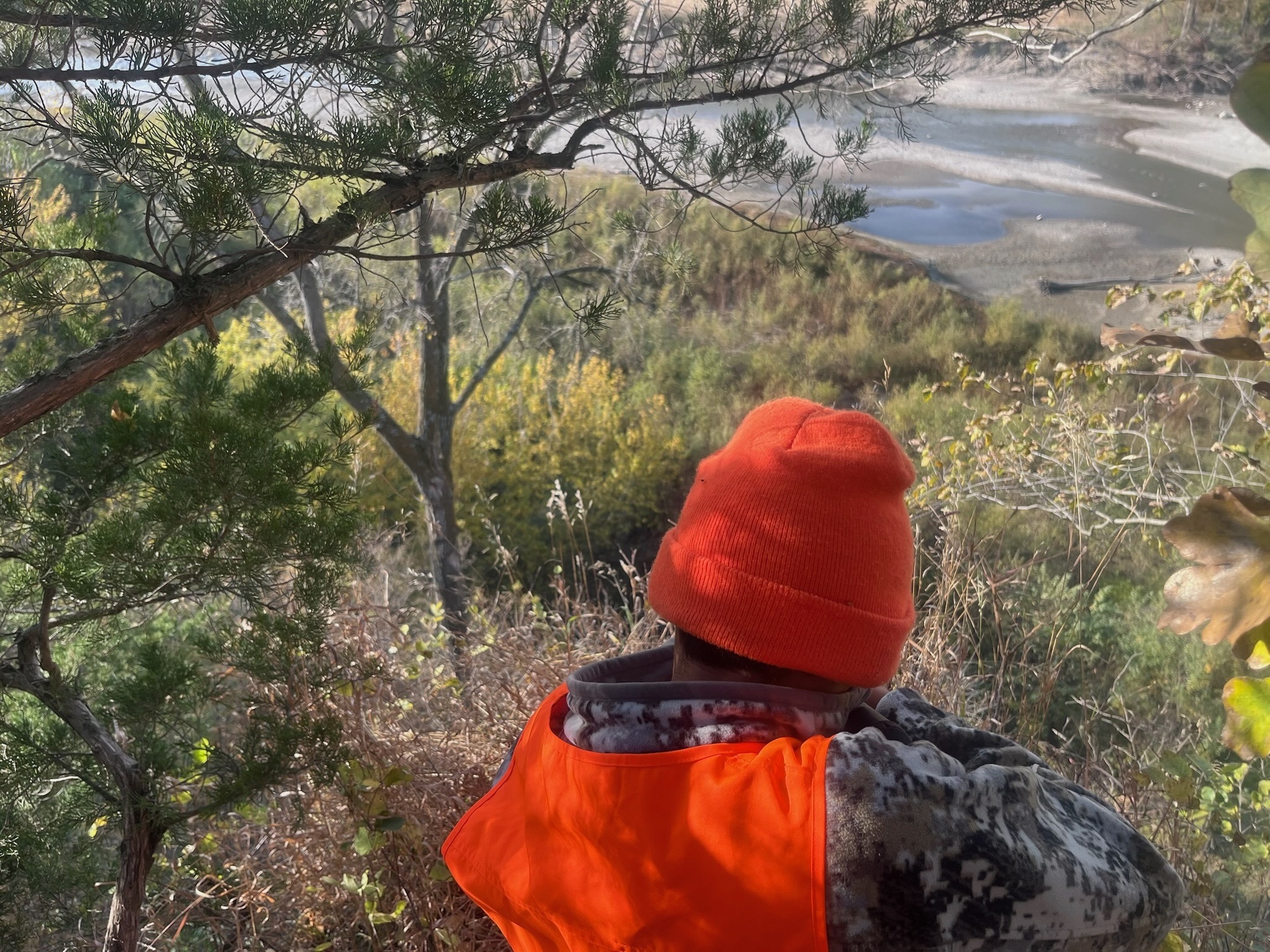
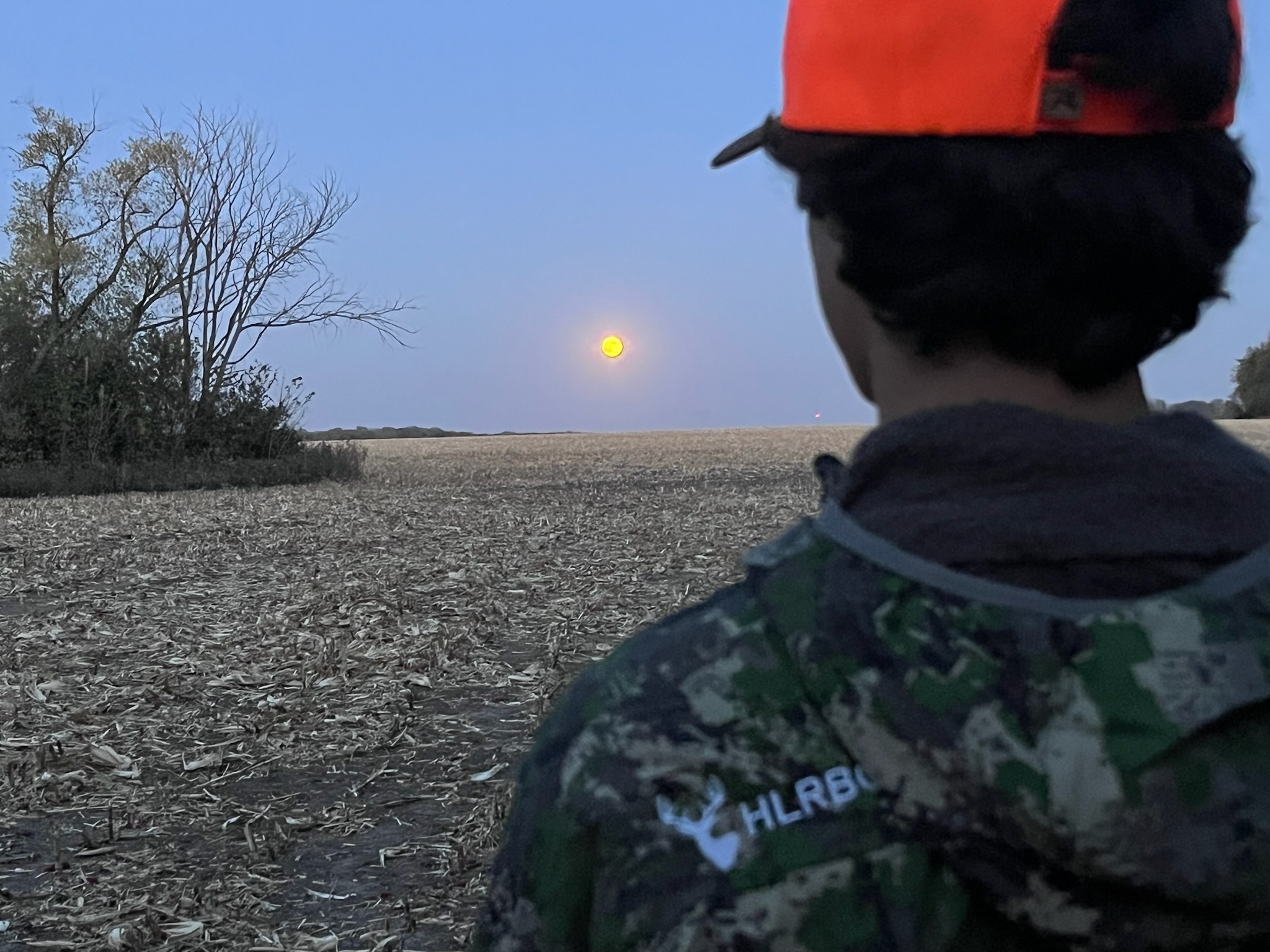
Last week, the province of Alberta passed a law permitting 12-year-olds to hunt alone. As a part of the broader Wildlife Amendment Act, the youth-hunting law promises to ignite debate about firearms and kids and “how young is too young” to hunt without an adult involved.
As the parent of a 12-year-old myself, I cannot imagine my daughter hunting without direct adult guidance. But here in Texas where I live, kids as young as age 9 are allowed to head into the field with a rifle or shotgun to seek out game.
Yes, a third-grader theoretically could be pursuing partridge with a 12-gauge in hand. Learn your ABCs, kid, and then here’s how you load a gun.
Minimum Age to Hunt Alone
The Alberta law is undoubtedly perplexing to many. In America, youth hunting has long been legal, with state laws governing minimum age.
In Texas, the aforementioned 9-year-olds just need to pass a certified Hunter Education Course. Montana sets its age limit at 12. Minnesota is 14.
Some states are murky, including Arkansas, with no stated minimum age but contingencies on gun education and adult involvement.
To families who hunt and live near wild lands, I have found sentiment to be along the lines of “my kids started hunting as soon as they could hold the rifle steady.” That is an iteration of what people I know tell me here in Texas.
Other parents certainly question the autonomy. Should youth hunters be allowed to carry a rifle into the woods without adult supervision? What about mentoring? And what happens if something goes wrong?
I interviewed a few folks for this story.
Why Mentorship Still Matters
Joshua Crumpton, a Texas guide and founder of Spoke Hollow Outfitters, doesn’t mince words.
“In the field, decisions echo,” he says. “A split second can carry lifetime consequences.”
He said while passionate about introducing youth to hunting “it demands the steady presence of an experienced mentor.”
Crumpton leans toward letting a kid obtain experience with an adult involved. He also ties his opinion to his experience as a parent.
“By the time your child turns 12, you've already spent 75% of the time you'll ever have with
them,” he said. “These early hunting experiences represent irreplaceable opportunities for connection and teaching. Why would we want to miss those precious moments?”
This perspective shapes his business practices and personal approach to introducing youth to hunting.
“Every time I guide a parent and child, I witness something extraordinary,” Crumpton said. “It’s not just the development of hunting skills but the strengthening of bonds that will last a lifetime.”
The Case for Solo Youth Hunting
Bill McClean, an attorney from Austin, supports youth hunting independence if done right.
McClean’s sons started hunting at age 8 with small-bore rifles and graduated to shotguns by 10.
By 13, they were experienced enough to hunt solo, McClean said. “I have no worries about them being in deer blinds without me.”
The family has not suffered a hunting accident, McClean notes. They hunt together or solo, depending on the season and the day.
Who’s Liable for Youth Accidents?
When a child is hunting alone, the risks extend beyond personal safety. What if something goes wrong?
Unsupervised youth hunting raises ethical and safety concerns, and legal ones as well. In the event of an accident, questions of liability surface immediately. Is the parent at fault? What about the landowner?
In Canada, parents are generally covered by personal liability insurance if their child is hunting legally. In the U.S., liability is more fragmented. Rules vary by state, and responsibility may hinge on land access arrangements, waivers, or hunter education requirements.
The legal ambiguity makes youth hunting a more complex decision than it might first appear.
Ultimately, the debate is about more than age; it's a test of judgment, preparation, and shared responsibility. As laws evolve, families, mentors, and landowners must weigh freedom and tradition against real-world risk and accountability, for kids and parents alike.
Author Bio: Seiji Ishii is a writer and editor based in Wimberley, Texas. For over 40 years, he’s built a career around outdoor sports as an athlete, coach, gear designer, writer, and editor. Learn more about Seiji at http://www.seijisays.com.