 Written by Justin Park|
Last updated
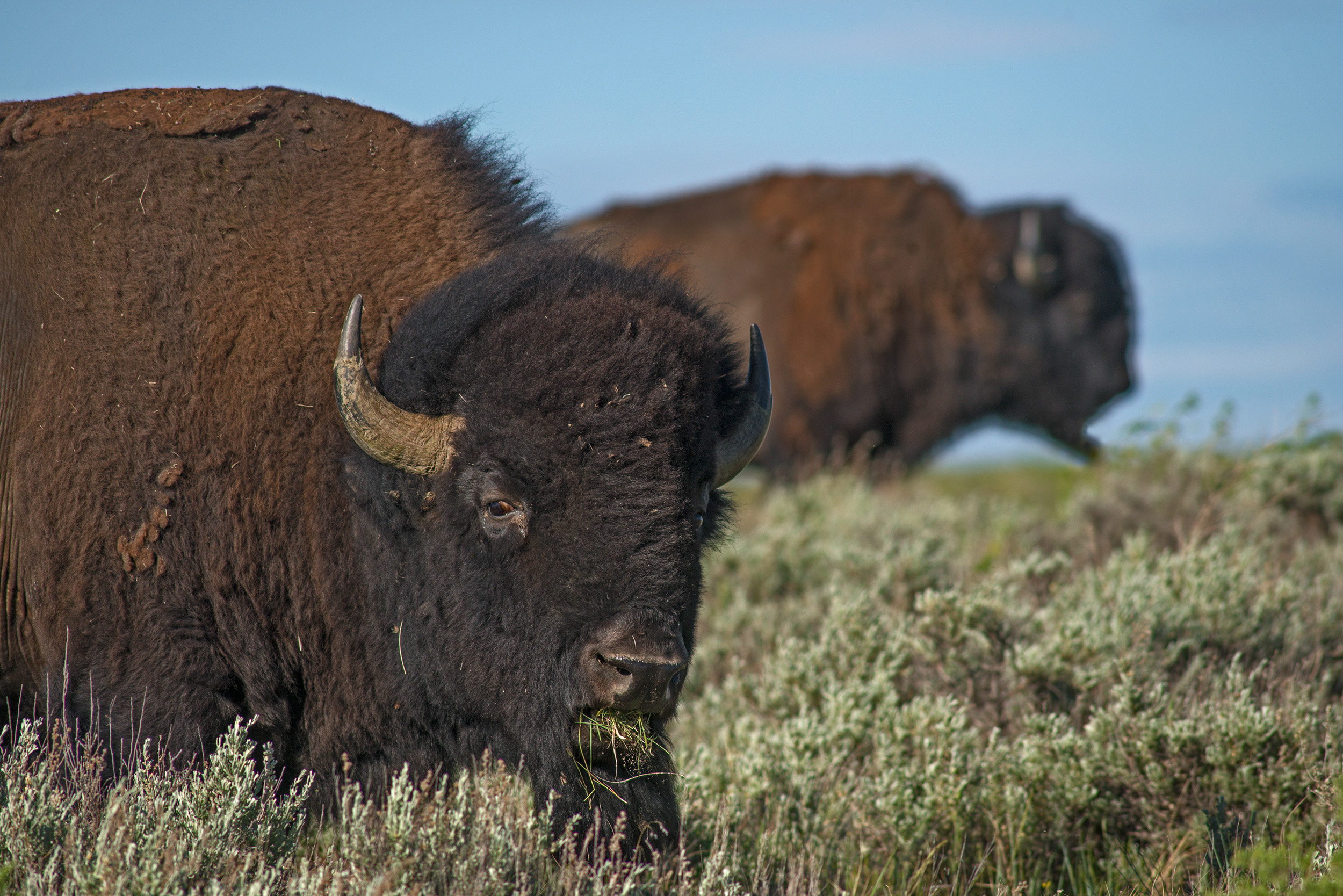
Over the 100 years between the American Revolution and the late 19th Century, as many as 60 million American bison were hunted and wantonly slaughtered until just a few hundred remained. The near-extirpation remains one of the saddest tales of Westward expansion across the United States.
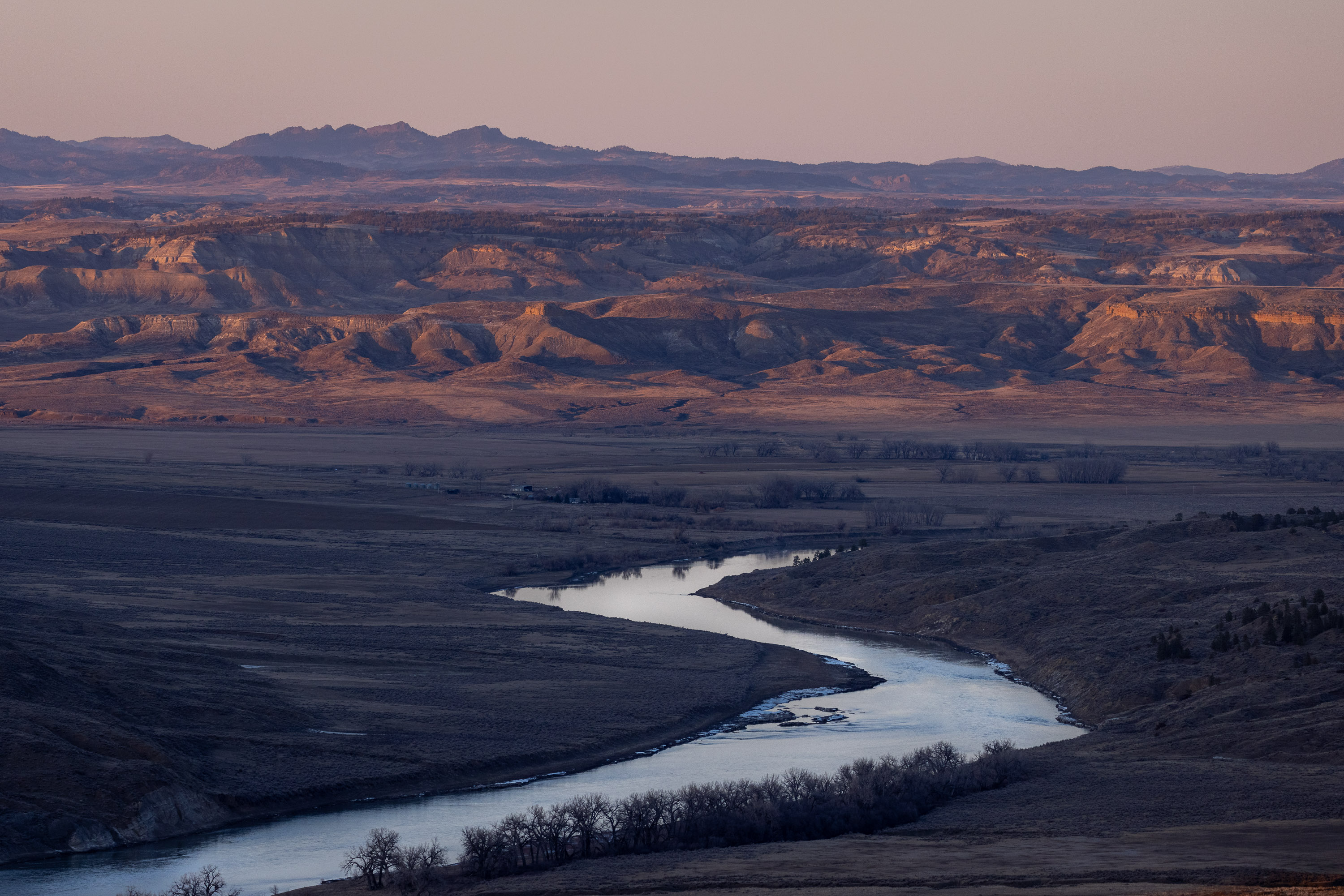
For a century, there was no sequel to this sad story, but in 2001 American Prairie launched an ambitious plan to restore a portion of this symbol of the formerly Wild West. By pairing private land acquired on the open market with public land grazing permits in northern Montana over the past two decades, American Prairie has amassed a microcosm of the former prairie ecosystem on over 600,000 acres of adjacent public and private parcels they manage. AP owns more than 150,000 acres outright and leases the remainder.
Until recently, this has looked like part of a successful redemption story sequel. But simmering resentment from ranchers in Montana has turned their bison project into a political flashpoint. Recent decisions from Montana state and Bureau of Land Management officials have put the viability of restoration in the region in jeopardy, though the AP bison are currently still grazing public lands.
What Changed for American Prairie’s Bison?
While bison will likely never again roam the now-populated Great Plains by the millions, American Prairie has amassed 940 bison with a goal of a herd of 5,000 bison over the coming decades. Their public and private lands permit public access and hunting while also accommodating 8,000 grazing cattle.
In January, however, the BLM issued a proposal to rescind AP’s grazing permits, which the non-profit has appealed and is awaiting a ruling. Then on February 17, the Montana State Land Board issued a moratorium on new bison grazing leases on state lands while it considers new rules on grazing. American Prairie and others have had grazing permits on state lands for years and, on Monday, AP filed a lawsuit challenging the state’s decision.
Those BLM bison permits have been in place since 2022 and American Prairie says the recent flip reflects a political divide and misconceptions about their mission and practices.
“BLM lawfully approved these permits after a thorough environmental review and defended them for years,” said Alison Fox, CEO of American Prairie in a press release on the BLM decision. “Abruptly rescinding them now—under political pressure—creates immense uncertainty and sends a chilling signal to Tribes, ranchers, and conservation partners who depend on fair and predictable public land management.”
Making Conservation Political
If there was any doubt about this being political, Montana Governor Greg Gianforte issued his own press release praising the BLM decision. “For years, we have raised serious concerns about the federal government’s failure to listen to the folks who live and work the land. By proposing to cancel these permits, BLM is finally acknowledging that federal overreach cannot come at the expense of our local communities and the production agriculture that feeds our nation.”
Outdoor writer Rachelle Schrute lives in the region and wrote a deep, personal look at the conflict which she describes as “the latest flashpoint in a fight that has been simmering for more than 2 decades.” Opposite American Prairie are ranchers sporting “Save the Cowboy” bumper stickers that see AP’s conservation project as squeezing out cattle ranching families.
Politicians have swept in to back the ranchers as victims of “out of touch liberal elites” and “out-of-state billionaires” as Montana’s State Auditor and Attorney General wrote in a letter to the editor. (The “billionaires” comment may be pointed at Ted Turner who also grazes bison in Montana on private reserves.)
There are plenty of instances of hardline “preservationist” environmental non-profits conflicting with more use-oriented public lands users such as hunters and ranchers, but American Prairie appears to have coexisted with both groups for years. Most of the grazing on AP’s acreage is done by cattle and the group has unlocked access to thousands of acres for public lands users including hunters through their acquisitions and permits.
What’s Next for the American Prairie Bison
American Prairie appealed the BLM decision and a final judgment on their grazing permits on those federal lands is expected in the coming weeks. If the BLM confirms their decision to rescind the permits, AP’s only recourse is likely litigation.
It’s unclear if and when the bison would be forced off public lands, but American Prairie’s model of building a contiguous ecosystem relies on those grazing permits on public lands. While they own 150,000 acres that could house the existing bison, those parcels are a patchwork and would cripple the plans to expand the herd to 5,000 bison and beyond.
Justin Park is a Colorado-based writer, editor, and avid hunter with a passion for the outdoors. He contributes to leading publications such as GearJunkie, Popular Mechanics, Powder, and Men's Journal, and serves as Editor of Wild Snow. Park is deeply involved in conservation and recreation advocacy, serving as Chapter Chair of the Rocky Mountain Elk Foundation (RMEF) in Summit County. He also represents RMEF on a state recreation committee focused on proactively addressing land use conflicts.