 Written by Justin Park|
Last updated
With the Roadless Rule under threat, conservation organizations are stumping hard for the benefits of walk-in only wilderness for wildlife and hunting on public lands. Especially in the West, elk and deer are much more comfortable in large roadless areas, but the calculus becomes more complicated on private land.
Roads improve access for both hunters and farm and ranch operations, but undoubtedly affect wildlife behavior. So what’s the best course of action for a landowner trying to make their hunting lease attractive to game animals while maintaining essential access?
How Deer React to Vehicles
You don’t need a Ph.D. to know that wild animals aren’t big fans of human activity such as vehicles, but that hasn’t stopped researchers from looking into it.
A study from 2024 in Current Biology tested how wildlife reacted to different sounds in the woods and while loud hikers and bikers were most likely to send animals running, ATV noise ranked worst in terms of how long animals spent in a “vigilant” state after hearing the noise. Notably, a quiet group of hikers had much less impact on wildlife behavior than ATVs.
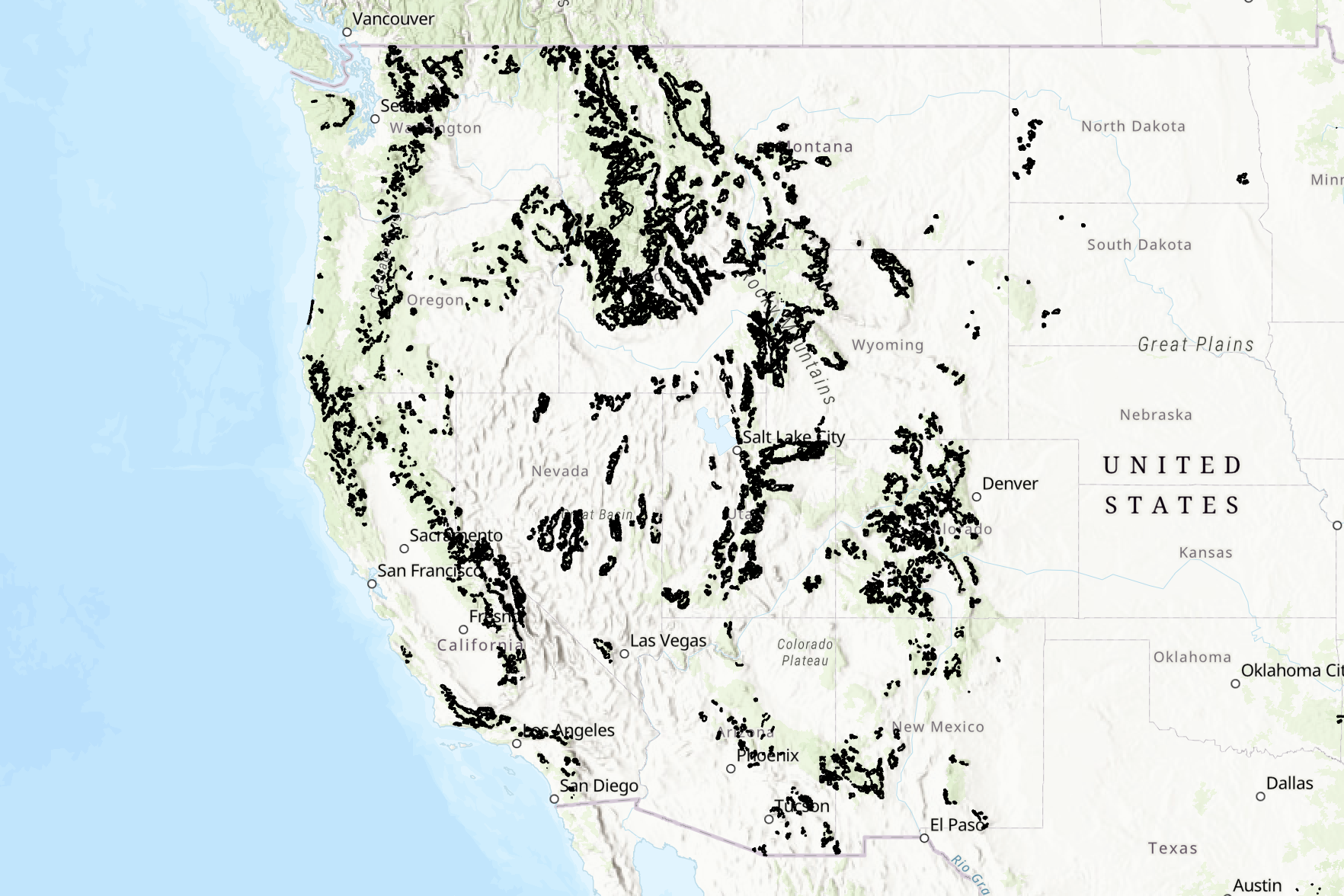 Map highlighting some of the 50 million acres of public lands made "roadless" by the 2001 rule.
The controversial move to rescind the 2001 Roadless Rule in the summer of 2025 (now subject to lawsuits) has received a sharp rebuke from hunting and conservation organizations and near-unanimous negativity from public comments. The 2001 Roadless Area Conservation Rule prohibited logging, road maintenance, and new road construction on roughly 50 million acres of public land, just shy of 8% of all public lands in the U.S.
In response, Trout Unlimited recently released a “Roadless Report” summarizing a wide array of research and statistics that shed light on the importance of roadless areas for both trout and wildlife. Among dozens of eye-opening statistics, the report states that “elk harvest density in highly roadless areas can be up to ten times higher than in heavily roaded landscapes.”
How and When to Use Roads on Private Hunting Leases
Allowing game animals to remain undisturbed is the ideal. It lets deer and other wildlife settle into patterns that hunters can capitalize on during the season. The ideal hunting setup for almost any game is to observe them with trail cameras in an unpressured environment and then slip into that environment undetected to capitalize on observed patterns when hunting season kicks off.
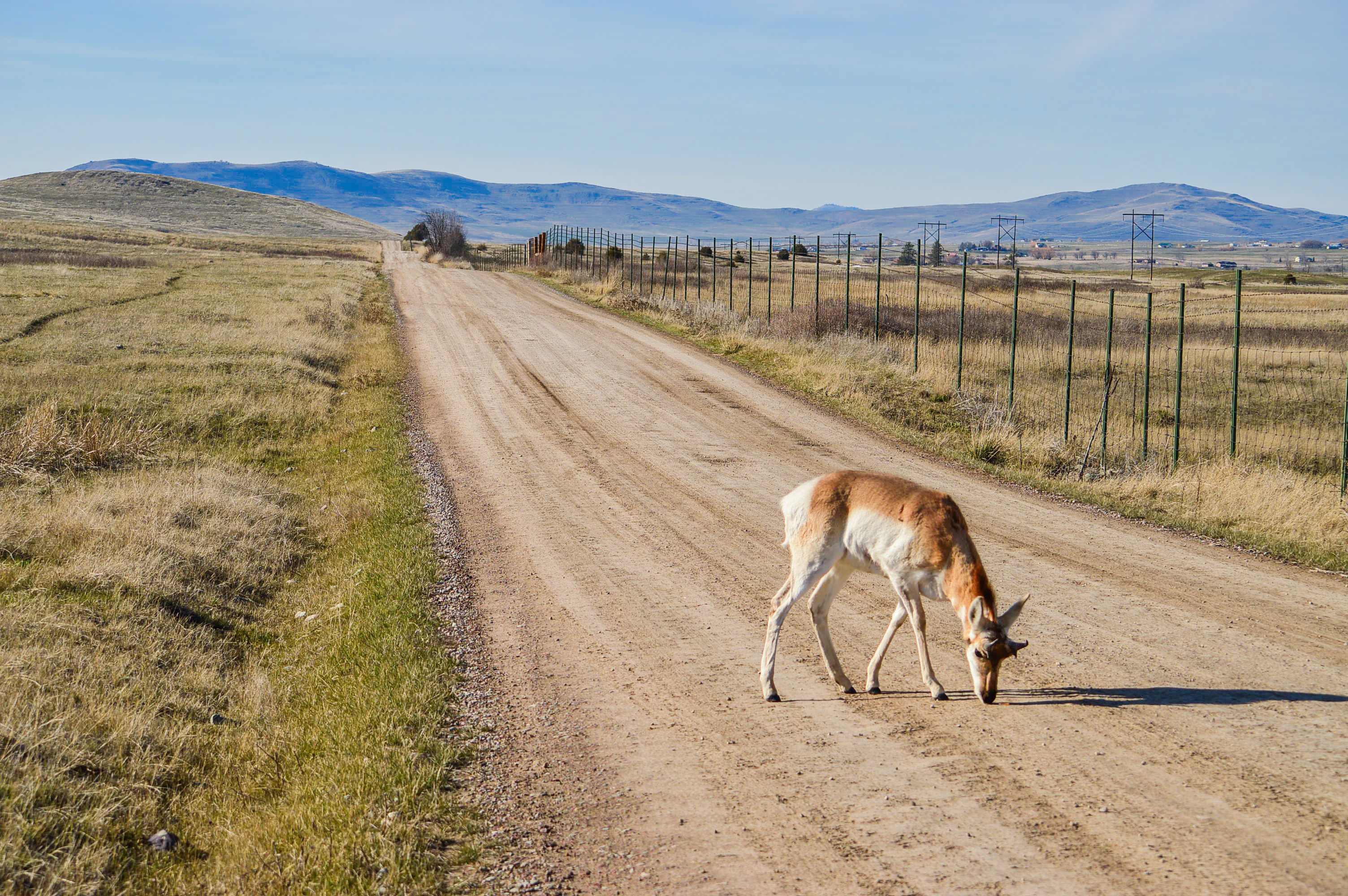
However, landowners leasing their land are often balancing multiple land uses, and farm, ranch, and timber operations create regular, unavoidable human and vehicle disturbances. Roads also have many benefits for hunters, allowing access for setting tree stands, placing game cameras, and retrieving successful harvests during the season. The key if you’re going to have road access is to either use them near-daily or as little as possible.
I’ve hunted working farms where whitetail deer were habituated to ATVs and tractors to the point that they seemed mostly unaffected by the judicious use of them even during the season. But if your property sits mostly idle throughout the year, it’s generally a bad idea to blast into the woods with an ATV or truck on opening day. Even if you’ve habituated animals to vehicles, don’t drive right to the base of your stand thinking they’re unaffected by the noise. When possible, have someone drop you off and pick you up at least a few hundred yards away rather than leaving a vehicle near your hunting area.
This Buckmasters article details tips and tricks for habituating deer to ATV activity, recommending you use it anytime you’re accessing your hunting grounds if you plan to use it during the season.
If you’re cutting new roads and planning to lease or use your property for hunting, try to avoid running them through known bedding areas where wildlife wants to feel secure. Where possible, use terrain, trees, and other features to shield bedding areas from your road access.
When it comes to accessing stands or hunting areas during the season, there are factors beyond the noise of a vehicle to consider. This article from the National Deer Association details concerns such as wind, leaving scent traveling on foot, and how to use topography to minimize “bumping” deer.
If wildlife on your property aren’t habituated to routine vehicle noise but distance or mobility require you to use motorized access, consider riding an e-bike which is quieter than an ATV but keeps your scent off the ground and helps you cover ground quickly. HLRBO ambassador Katelyn Armstrong uses e-bikes for scouting and hunting and shares the pros and cons of e-bikes for access here.
Justin Park is a Colorado-based writer, editor, and avid hunter with a passion for the outdoors. He contributes to leading publications such as GearJunkie, Popular Mechanics, Powder, and Men's Journal, and serves as Editor of Wild Snow. Park is deeply involved in conservation and recreation advocacy, serving as Chapter Chair of the Rocky Mountain Elk Foundation (RMEF) in Summit County. He also represents RMEF on a state recreation committee focused on proactively addressing land use conflicts.