 Written by HLRBO Staff|
Last updated
Contracts covering about 1.5 million Conservation Reserve Program acres expire on September 30, and the owners of roughly 518,000 of them never submitted an offer to stay, according to Farm Service Agency figures from this summer's signup. On October 1, a decade or more of federal rental checks stops on that ground, and the cover those checks grew is still standing.
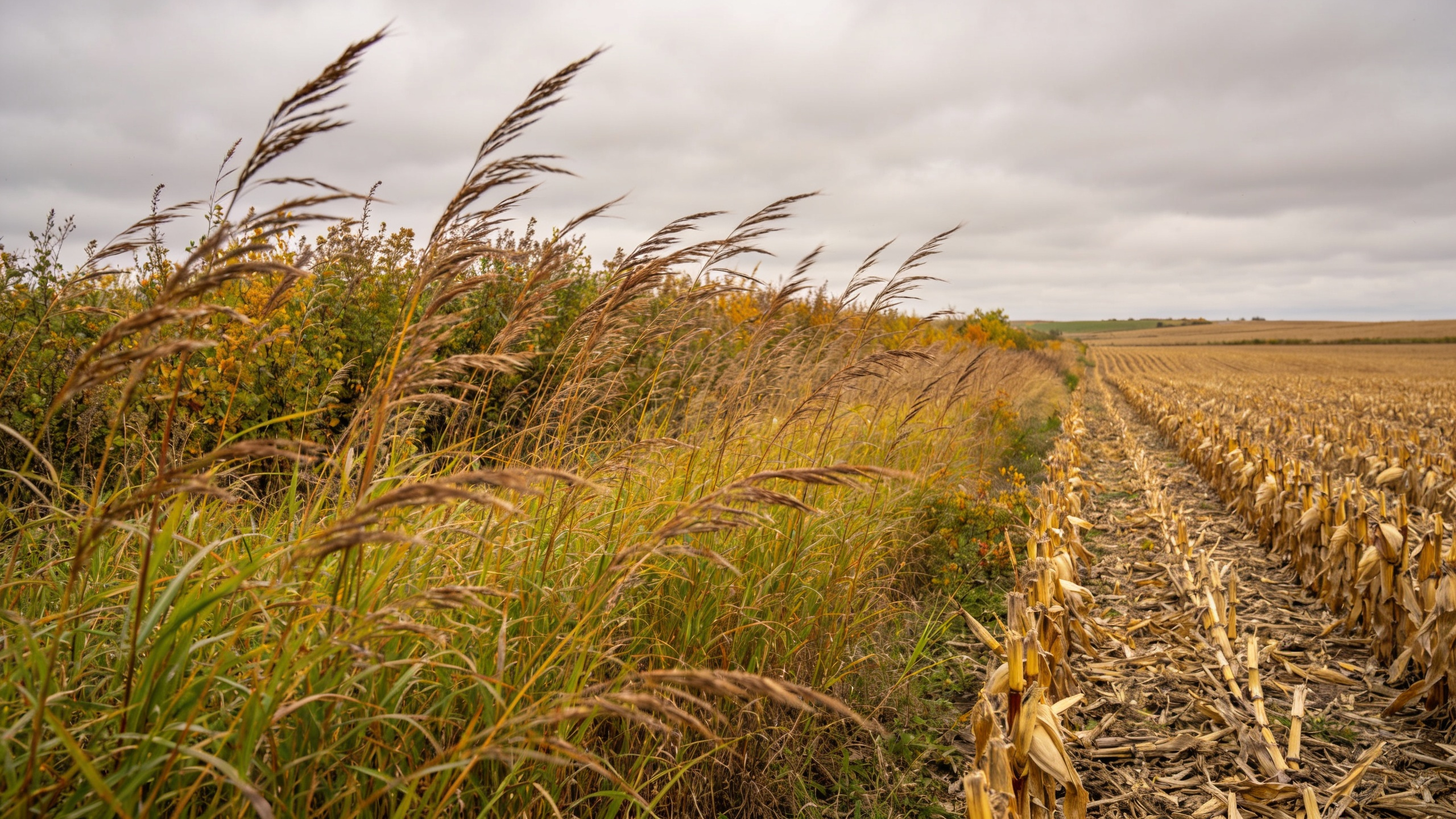
We covered the front end of this squeeze in August: FSA accepted 2.2 million of the nearly 2.5 million acres offered across 2026's three signups, turned roughly 300,000 away, and entered the fall pressed against the program's 27 million acre statutory cap. This is the back end. The expiration date is not a policy abstraction. It is the day a specific set of landowners, disproportionately holding the brushy, marginal, wildlife-heavy ground the program was built to absorb, start deciding what that cover earns next.
What actually happens on October 1
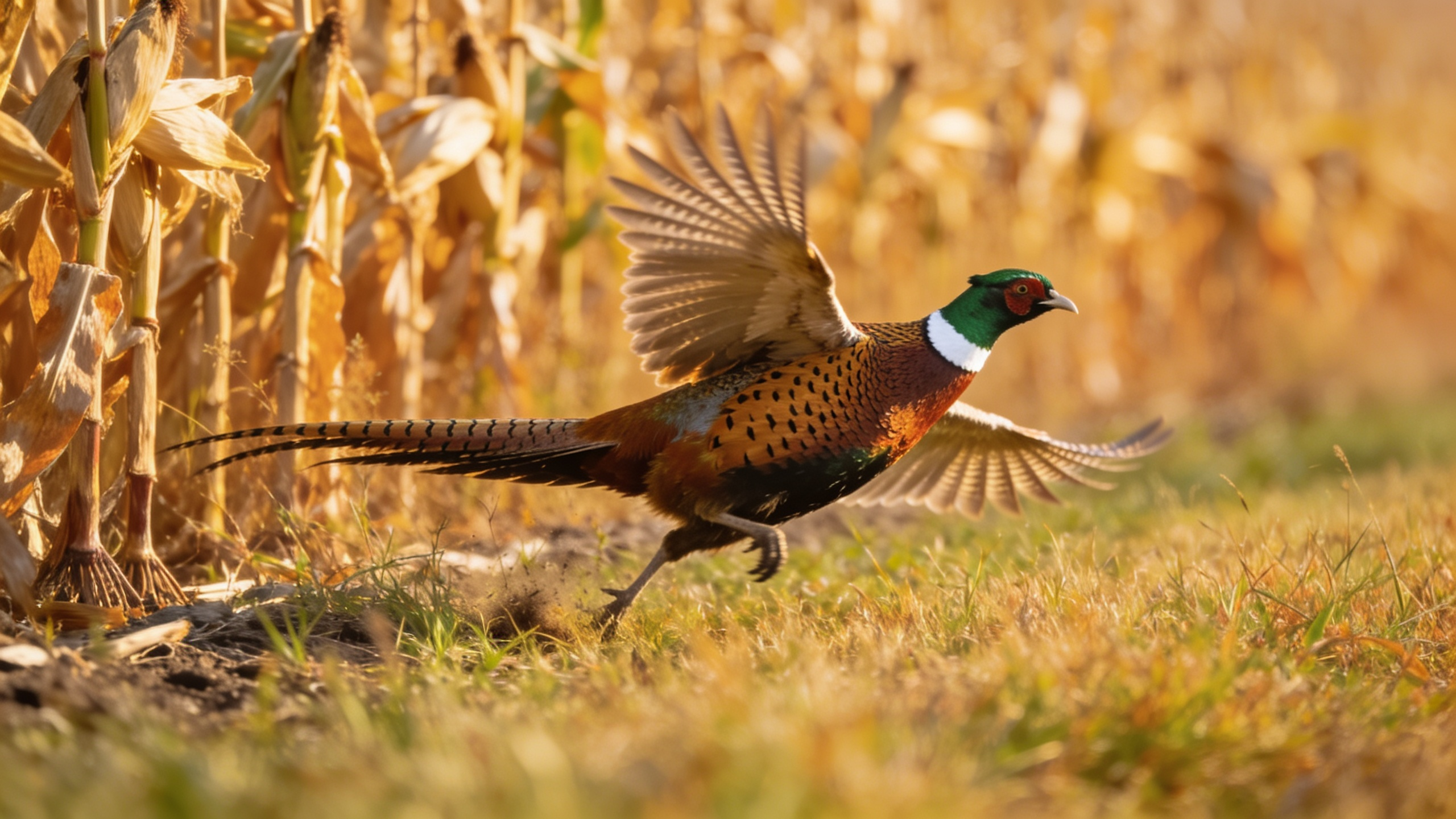
Nothing, visually. That is the point worth sitting with. The 518,000 acres walking out have spent 10 to 15 years growing into native grass stands, shrub thickets, and field borders, and the switchgrass does not know the contract is up. The pheasants, quail, whitetails, and nesting ducks that cover holds do not either. What changes overnight is the ledger: the ground goes from a guaranteed federal payment to zero, and every month it sits idle is a month of property taxes with no offsetting check.
The owners split into two camps. Some let contracts lapse intending to re-bid in a future signup, which means eating at least a season of nothing and betting on acceptance in a program that just rejected 300,000 offered acres. USDA's Richard Fordyce warned in February that enrollment would be competitive with only 1.9 million acres of room under the cap. He was right, and next year starts from the same cap unless Congress moves it.
What the ground can earn now
Put the alternatives side by side, honestly.
The federal benchmark is known. FSA enrollment data reported by DTN put average CRP rental payments in this year's three biggest-acceptance states at $23.77 per acre in Colorado, $39.85 in Nebraska, and $55.31 in South Dakota, figures we detailed in August.
The row-crop alternative is softening. USDA's July 31 Cash Rents release put national cropland rent at $160 per acre, down a dollar, while the Federal Reserve Bank of Chicago's AgLetter has district cash rents falling for a second straight year. And the acre that just left CRP was rarely a $160 acre to begin with; wet corners, sand, and slope are what the program enrolled.
The recreation alternative is the one the expiring ground is unusually suited for. Forest Resource Consultants' 2026 pricing guide, the market benchmark we have used before, puts most hunting leases between $5 and $50 or more per acre per year, with Midwest ground running $15 to $75. Against the state CRP averages above, a well-marketed lease on quality habitat clears Colorado's federal check easily, competes in Nebraska, and generally trails it in South Dakota, which is one reason South Dakota's signup was so crowded. None of those ranges is a promise for any particular property; habitat, access, and county demand set the number, and the new county-level cash rent estimates NASS published in late August give every owner a fresh local baseline to price against.
Now the sentence that should anchor the decision: a hunting lease is one of the very few income options on this ground that does not require destroying the asset. The cover that made the acre a competitive CRP bid is the same cover a hunter is paying for. Breaking the sod converts a decade of habitat into one more marginal cropfield in a soft rent market. Leasing it converts the habitat itself into the revenue.
Not always either-or
Two honest caveats before anyone prices a season. First, for owners still enrolled or re-enrolling, hunting and CRP frequently coexist; access can often be leased on top of the federal payment, subject to contract terms worth confirming with the county FSA office before signing anything. Second, a CRP check and a lease check are different instruments. One is contractual, federal, and arrives whether anyone visits. The other is a market price that must be earned every year with real habitat and a real listing. Owners comparing a guaranteed $40 to a possible $50 should weigh the word guaranteed at full value.

The September wildcard
Hanging over all of it is the farm bill. The Senate Agriculture Committee failed to report its version out on a 10-11 vote in August, and Chairman John Boozman has said he will reconvene the committee in September, with the current extension running through September 30. The conservation title, the CRP cap included, moves with that bill. An owner deciding this fall should decide on the program as it exists, not the program as it might be amended; the cap has been 27 million acres through this entire squeeze, and hoping is not a land-use plan.
For the hunter reading this, the takeaway is simpler and it is time-stamped. Several hundred thousand acres of the best small-game and deer cover in the country are about to need a reason to stay standing. Some of those reasons will be wearing blaze orange.
For landowners with expiring CRP ground deciding what the cover earns next, HLRBO lists hunting leases across the country, with real lease agreements and secure payments behind every booking. List your property.