 Written by Justin Park|
Last updated
Imagine earning thousands from your farm without planting a single crop. If you own one of America’s 1.9 million farms, you’re likely running a small family business and could use extra income.
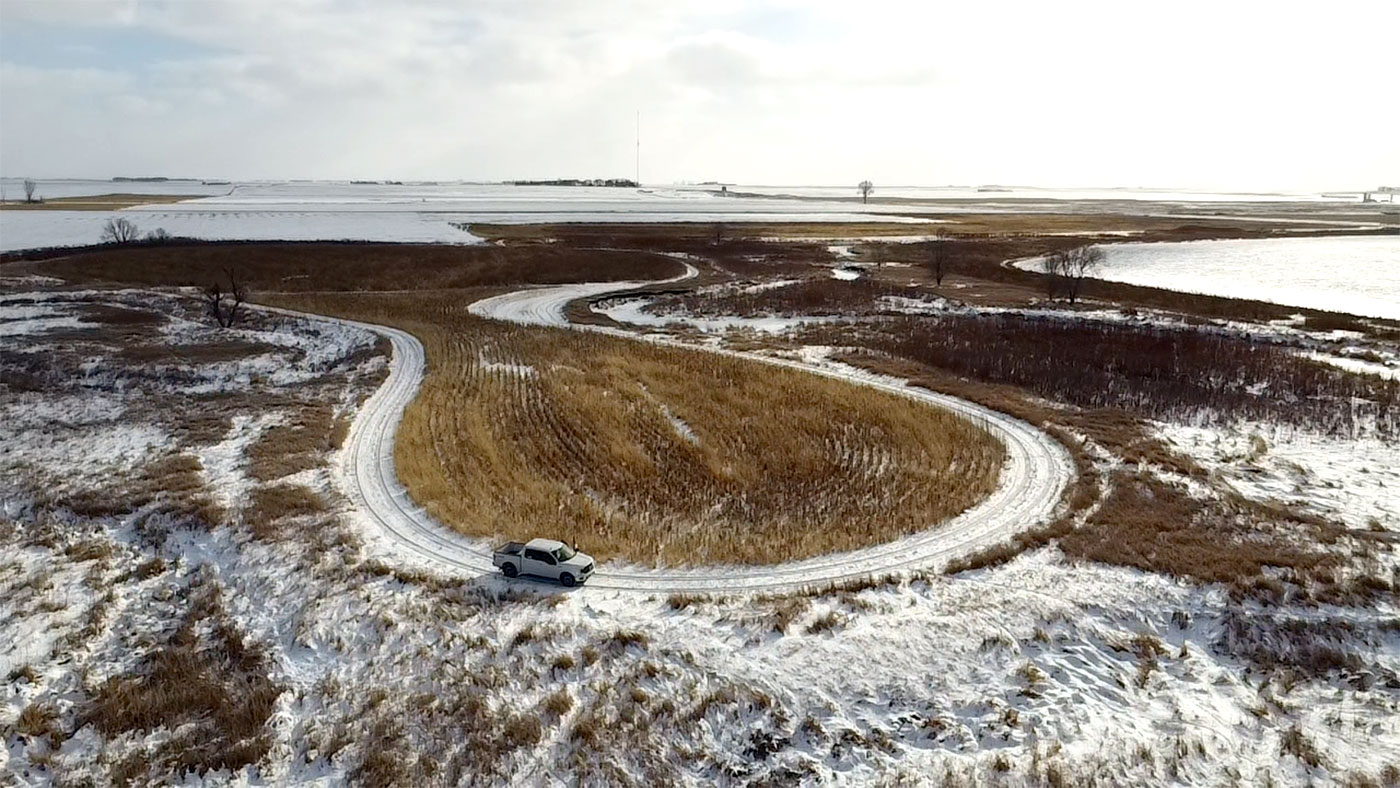
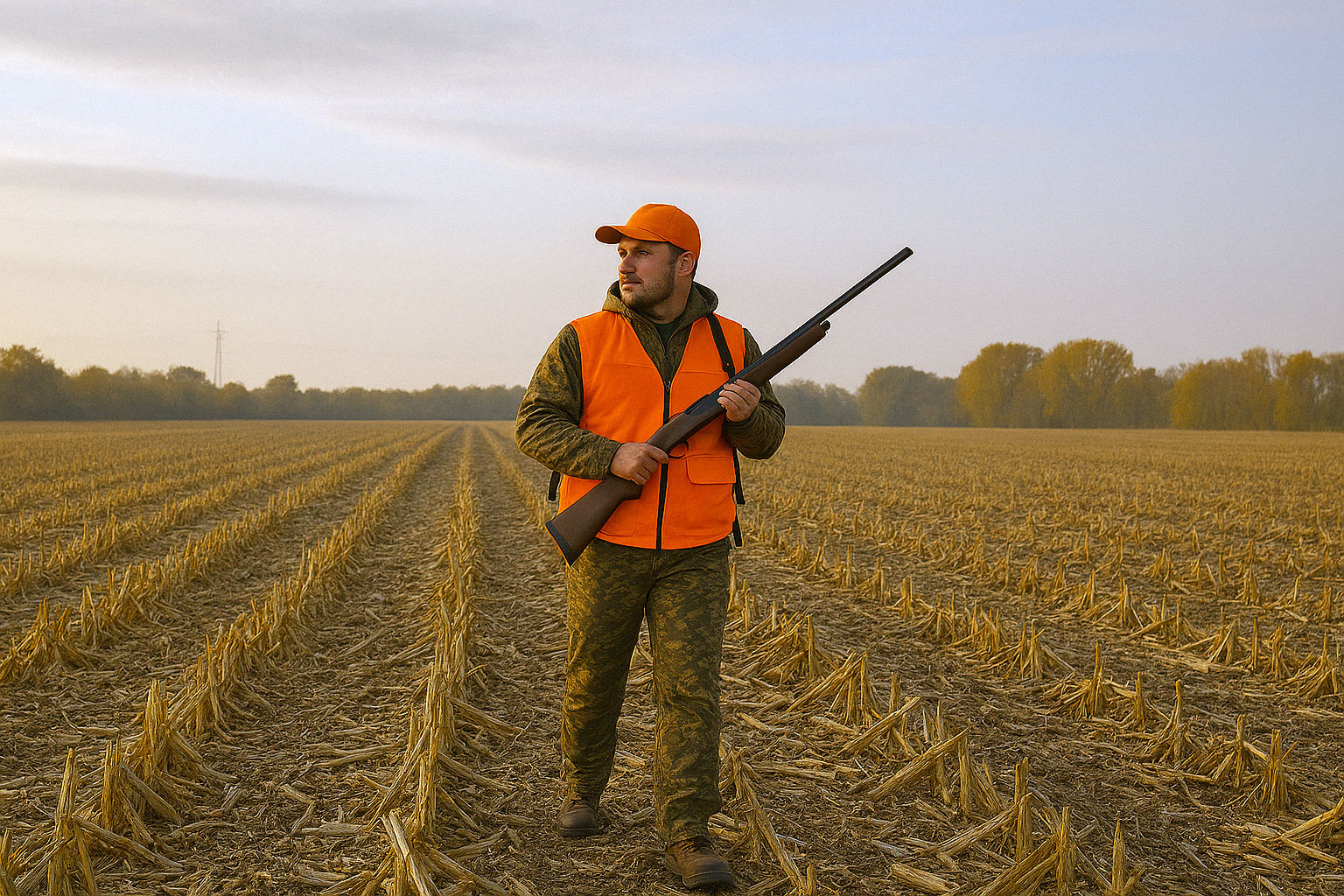
Family farms make up 95% of US farming operations. Most farms offer excellent habitat for wildlife, attracting hunters seeking land for whitetail deer, turkey, waterfowl, and small game.
Leasing agricultural land to hunters isn’t new, but online platforms make it easier than ever to find responsible hunters for a profitable off-season income stream. HLRBO is a national platform that connects landowners with hunters seeking private land access.
“Timberland just sits between harvests, and wetlands can’t be farmed,” says Nathan Hammerberg, an Indiana-based field rep for HLRBO. “Even harvested crop fields can draw hunters after the fall harvest.”
Hunting seasons often begin after harvest, fitting neatly into farming’s seasonal rhythm. Read on to learn how to lease your land.
Why Lease to Hunters?
Leasing to hunters generates income during the off-season with minimal effort. Even if you hunt your land, you can lease unused seasons—like late deer hunts or turkey seasons—without impacting your own activities.
With a written agreement, you minimize risks like property damage or trespass.
How much can you charge for a hunting lease? The answer, of course, is “it depends.” Pricing hinges on:
- Acreage: More land usually commands higher lease fees.
- Duration: Longer leases or high-demand seasons (e.g., deer season) require higher rates.
- Habitat and Game Quality: Areas with large or abundant game fetch more.
- Access & Amenities: Trails, tree stands, or blinds add value.
- Additional Services: Guiding or lodging can boost income.
Leases range from $5-$20 per acre, with premium properties fetching more. A farmland owner can use HLRBO’s Calculator to estimate land value based on location, acreage, and local demand.
What to Consider Setting Up a Hunting Lease
A written lease outlines access dates, price, and land details. HLRBO offers state-specific lease templates, letting you set terms like hunter limits or sub-leasing.
“I recommend allowing a set number of hunters plus one guest, like a child,” says Hammerberg. Optional liability insurance is available through Vertical Insure.
While friends or neighbors familiar with your land are great candidates, platforms like HLRBO connect you with a wider pool of vetted hunters.
“Listing your land is as easy as creating a social media account,” says Hammerberg. “If it feels daunting, our field reps can guide you in person.”
Preparing Your Land
Most land needs little prep, but clearly marked boundaries prevent trespassing or confusion. Access trails are helpful but not required.
Heath Schubert, HLRBO’s co-founder, said even modest properties can qualify. “Whether you’ve got 20 acres of corn fields for turkey hunting or thousands of acres of prime deer habitat, someone will pay to hunt it for a day or a year.”
- Ready to turn your land into off-season income? Visit HLRBO.com to estimate your lease value, list your property, or connect with a field rep to get started. It’s free to list, and landowners retain full control.
Author Bio:Justin Park is a Colorado-based writer, editor, and avid hunter with a passion for the outdoors. He contributes to leading publications such as GearJunkie, Popular Mechanics, Powder, and Mens Journal, and serves as Editor of Wild Snow. Park is deeply involved in conservation and recreation advocacy, serving as Chapter Chair of the Rocky Mountain Elk Foundation (RMEF) in Summit County. He also represents RMEF on a state recreation committee focused on proactively addressing land use conflicts.