 Written by HLRBO Staff|
Last updated
More than 40 percent of American agricultural land, over 150 million acres, is expected to change hands at least once in the next 10 to 20 years, according to American Farmland Trust. The ag industry calls it a succession problem. For everyone who hunts private ground, it is a simpler question: who signs the lease next?
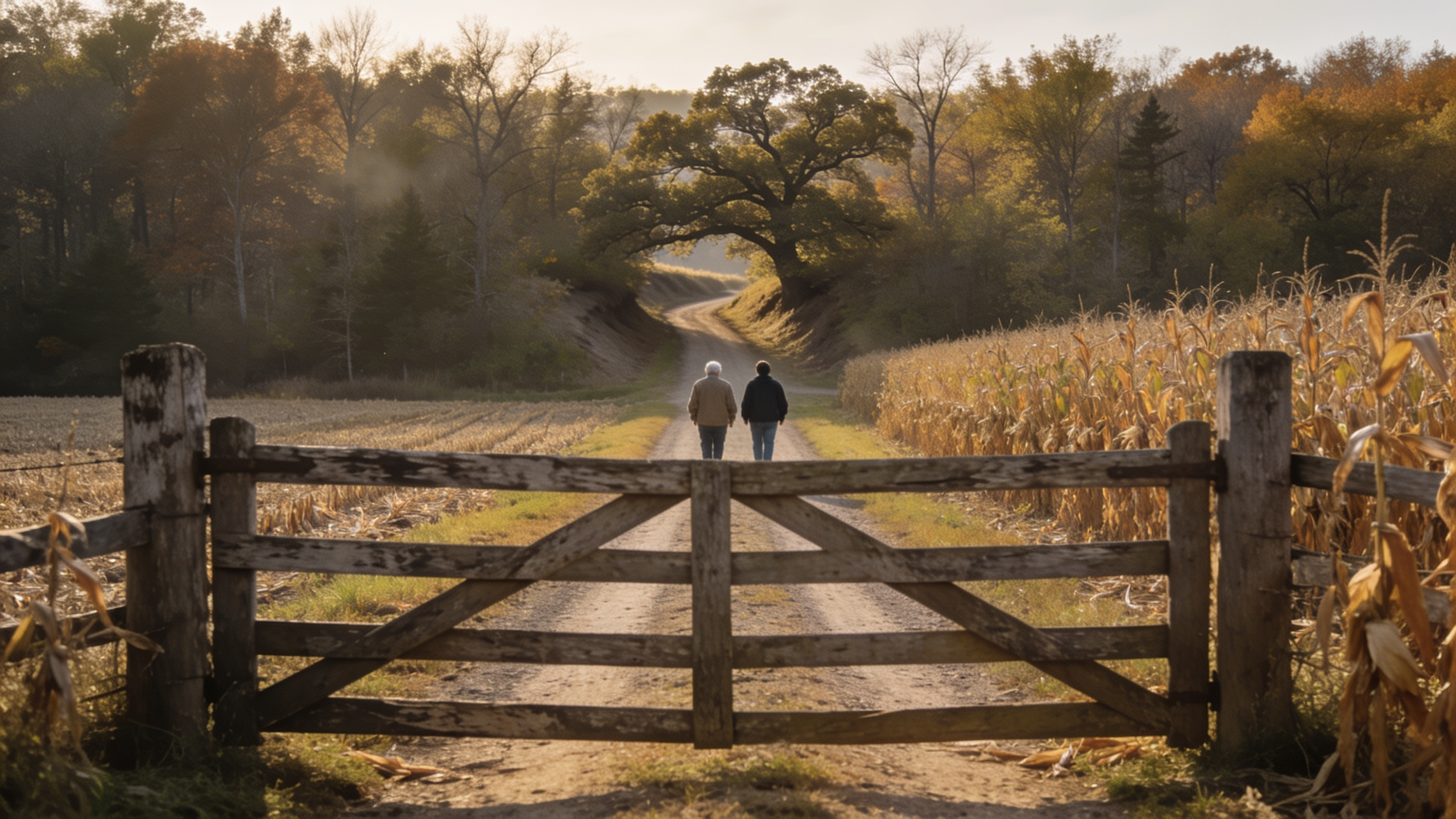
The transfer is not coming. It is underway. Paul Schadegg, president of Farmers National Company, one of the country's largest farm management firms, spent August saying so in interview after interview: operators averaging over 60 years old, landowners over 65, and heirs who, in his words, "don't have a strong connection" to the ground they are about to own.
This is a commentary piece, and the argument is straightforward. The biggest force reshaping hunting access in America over the next two decades is not a regulation, a court ruling, or an app. It is probate.
The owners are old, and the heirs live in town
Start with who holds the deed. "At the core of this transition is an aging landowner base," Schadegg says. "The average U.S. producer is now over 58 years old, and a significant portion of farmland is owned by individuals aged 65 and older."
The heirs are a different population entirely. Fewer of them farm, more of them live in cities, and by farm lender AgAmerica's analysis, less than half of retirement-age farmers expect to pass the operation to a family member who will run it. Schadegg expects the transition to bring more institutional ownership, and some heirs who keep the family land without ever farming it themselves.
Hold on to that last group. They are the future of a very large share of American hunting ground.
The invisible transfer
Most of this land will never hit a listing site, which is why the story is easy to miss. USDA's Tenure, Ownership, and Transition of Agricultural Land survey puts nearly 39 percent of U.S. agricultural land in rented hands already, much of it owned by non-operating landlords, and a meaningful share of those landlords are past 70. When they die, the ground does not go to auction. It goes to the kids, often without a plan, and sometimes with tax bills and sibling disagreements attached.
A hunter can read that paragraph as a threat or as a map. It is both. The 400 acres you have hunted on a handshake for fifteen years is statistically likely to change owners inside the next fifteen. The new owner may live three states away, may have never walked the back forty, and owes you nothing.
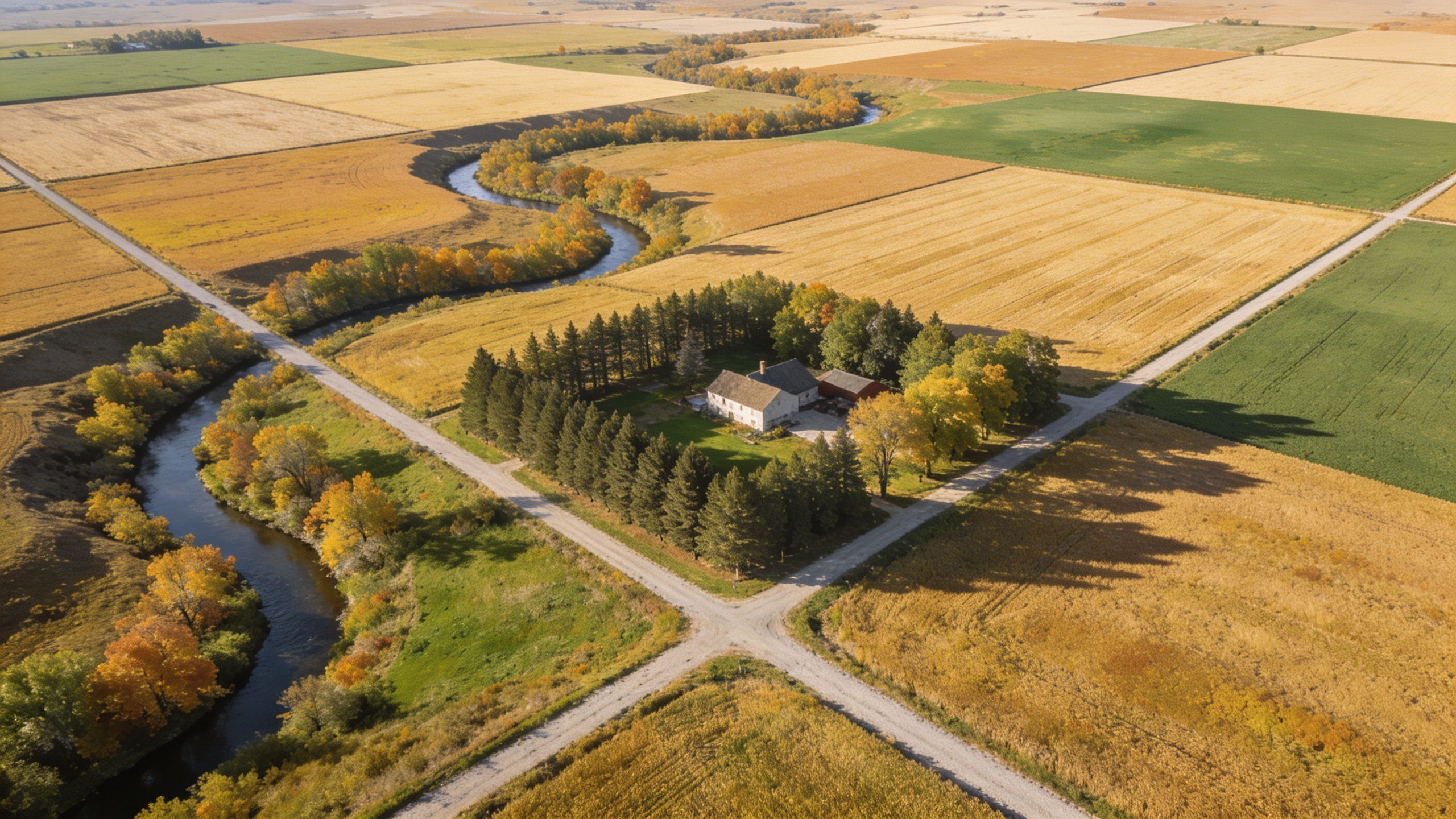
Three doors for an heir who does not farm
Picture the heir for a moment, because their math decides your access. They just inherited 300 acres of mixed crop and timber in a county they left after high school. Property taxes are due every year whether they visit or not. They have three doors.
Door one: sell. The buyer pool includes the neighbor, and increasingly it includes institutions. We wrote in August about what happens when timberland trades in six-figure-acre blocks, and farmland is walking the same road. A sale is clean, final, and forever. Plenty of heirs take it, and no lease income will ever outbid a sale price. Anyone who tells a landowner otherwise is selling something.
Door two: rent it to a farmer and hold. This is the traditional answer, and it is getting less comfortable. The Federal Reserve Bank of Chicago's May 2026 AgLetter reported district cash rents down 3 percent for the year, the second consecutive annual decline, a squeeze we covered in our read of the 2026 land values report. The land is worth more on paper every year while the check it produces gets smaller.
Door three: hold it, and make the holding pay more ways than one. This is where Schadegg lands, unprompted, in his August interviews: "Leasing could be an option for families that want to hold onto the property" without farming it. A hunting lease does not replace crop rent. It stacks on top of it, on acres the row-crop tenant is not paying for anyway: the timber, the draws, the creek bottom, the odd corners. For an heir in Denver, that is the difference between the family farm as a liability with a tax bill and the family farm as an asset that covers its own carrying costs.
Run the honest arithmetic. Recreational lease income is small next to appreciation and tiny next to a sale. What it changes is the holding decision. Land that pays for its own taxes and insurance is land a family can afford to keep while they decide, and "while they decide" is often measured in decades.
What dies with the handshake
Here is the part that lands on hunters this fall, not in twenty years. Handshake permission is a personal agreement, and it is only as durable as the person. When the ground transfers, the handshake does not transfer with it. The heir who has never met you has no reason to honor an arrangement they cannot see.
A written lease is different in kind, not just in degree. It documents the terms, the price, and the acres. It gives the new owner something to renew instead of something to discover. It also protects both sides in ways a handshake never did; we walked through what recreational use statutes actually cover, and where a paying lease changes the liability picture, in August. For an out-of-state heir who has no idea what their obligations are, paper is not bureaucracy. It is the answer to their first three questions.
The window is the plan
Nobody controls when the transfer comes. What both sides control is whether the arrangement on the ground is the kind that survives it. For the hunter, that means moving the relationship you value most from memory to paper before the estate does it for you. For the landowner, it means the same thing Schadegg tells farm families about succession generally: the plan made before the transfer beats every plan made after.
One hundred fifty million acres are going to move. The families who keep theirs will mostly be the ones whose land was already paying its way.
For landowners and heirs weighing what their acres can earn while staying in the family, HLRBO connects that ground with hunters nationwide, with verification, real lease agreements, and secure payments behind every booking. List your property or learn how leases work.