 Written by HLRBO Staff|
Last updated
Between 2020 and 2025, Americans reported $65 million lost to rental scams, and the Federal Trade Commission says most of them started with a fake listing on Facebook, according to FTC data reported by WBAY. September is the month hunters wire deposits to strangers for ground they have never walked. The con does not need a single new trick to follow them there.
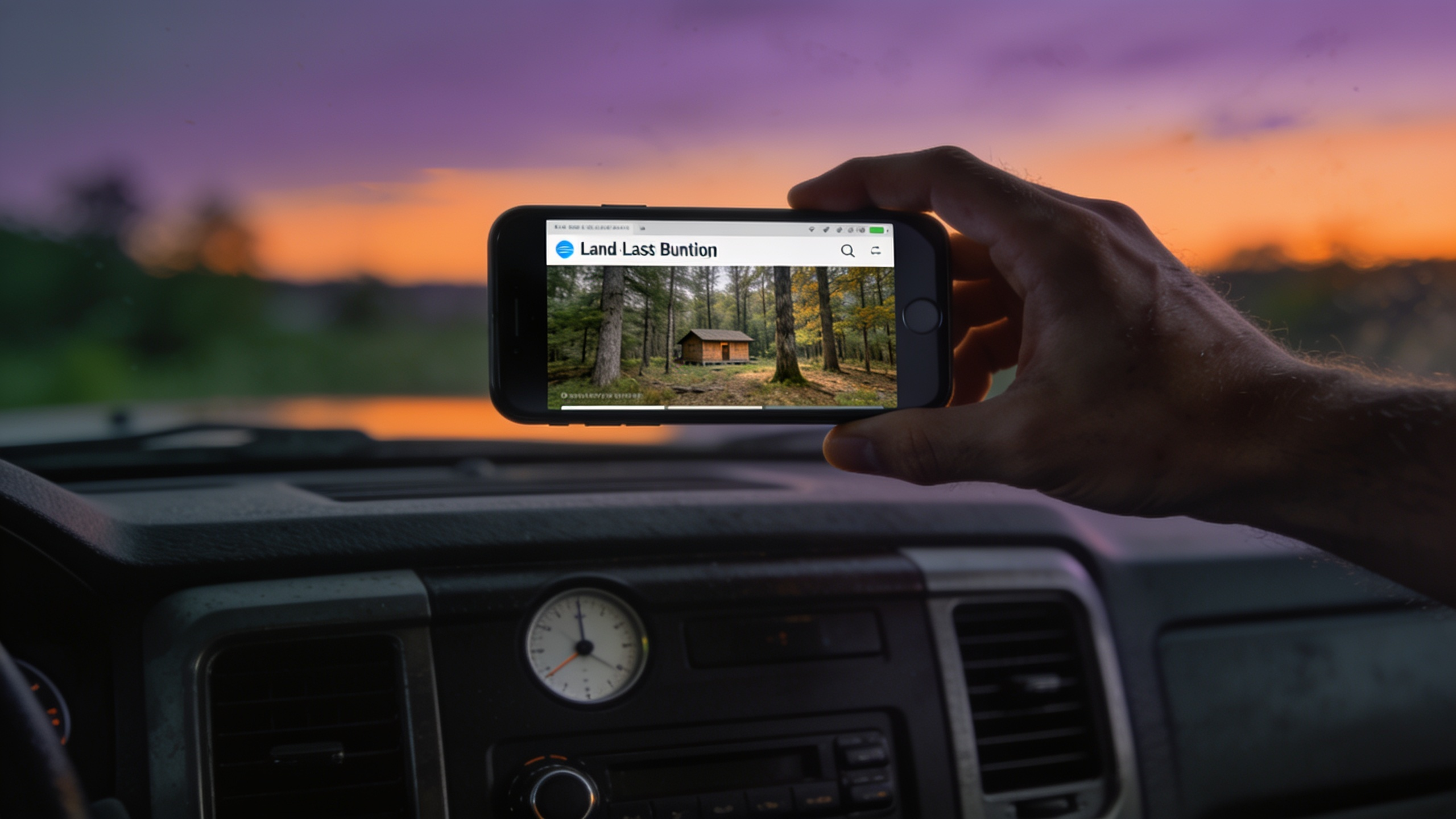
The playbook police departments keep describing for apartments works on an 80-acre deer lease without changing a word, and there is already a documented hunting version. What follows is how the scheme runs, why lease shopping is unusually exposed to it, and the checks that kill it before your deposit leaves.
The playbook, step by step
The pattern is consistent enough that police departments now describe it almost identically. A scammer lifts photos and details from a real listing, a property for sale or rent on a legitimate site, and reposts them at a price good enough to hurry you but not so low it screams. LaGrange, Georgia police investigated a string of them this spring: the "landlord" conducts everything by text or email, will not meet in person, insists on deposits through Cash App, Apple Pay, or Venmo, and may even email a convincing lease. The victims were out thousands, and the houses turned out to be vacant properties listed for sale by realty companies that had never heard of them.
The production values are getting better, not worse. An Oklahoma City family lost $1,600 in April to a scammer who sent an electronic access code so they could tour the house themselves, then followed with a lease and receipts. In Blaine, Minnesota, the cloned listings got common enough that police started posting warning bulletins on the physical houses so people showing up for tours would know the ad was fake.
The camo version
The hunting case on the record runs the same play on dirt instead of drywall. As the Tulsa World reported, a 500-acre property on the North Canadian River that a Whitetail Properties agent had listed for sale showed up on Craigslist as a deer-season lease for $2,000, an obvious bargain, with the agent's own photos. One of the two hunters who inquired only smelled trouble because a photo still carried the brokerage's logo in the corner.
The agent's advice in that story is the whole defense in two sentences. "Always verify the lease or the property ownership," he said, and about the price: "Something that should be $5,000 and it's going for half that price? Definitely look into it further before paying some stranger a bunch of money." His sharpest line names the mechanism: "You get tied up in getting the bargain and you're not thinking straight."
Why lease shopping breaks the usual advice
Every consumer warning about rental fraud ends the same way: never pay for a property you have not visited in person. That advice mostly works for apartments. It quietly fails for hunting leases, because paying sight-unseen is how a meaningful share of this market legitimately operates. A hunter in Georgia leasing Kansas ground for November cannot drive up for a Tuesday walkthrough, and plenty of honest landowners have signed plenty of honest leases with hunters they first met by phone.
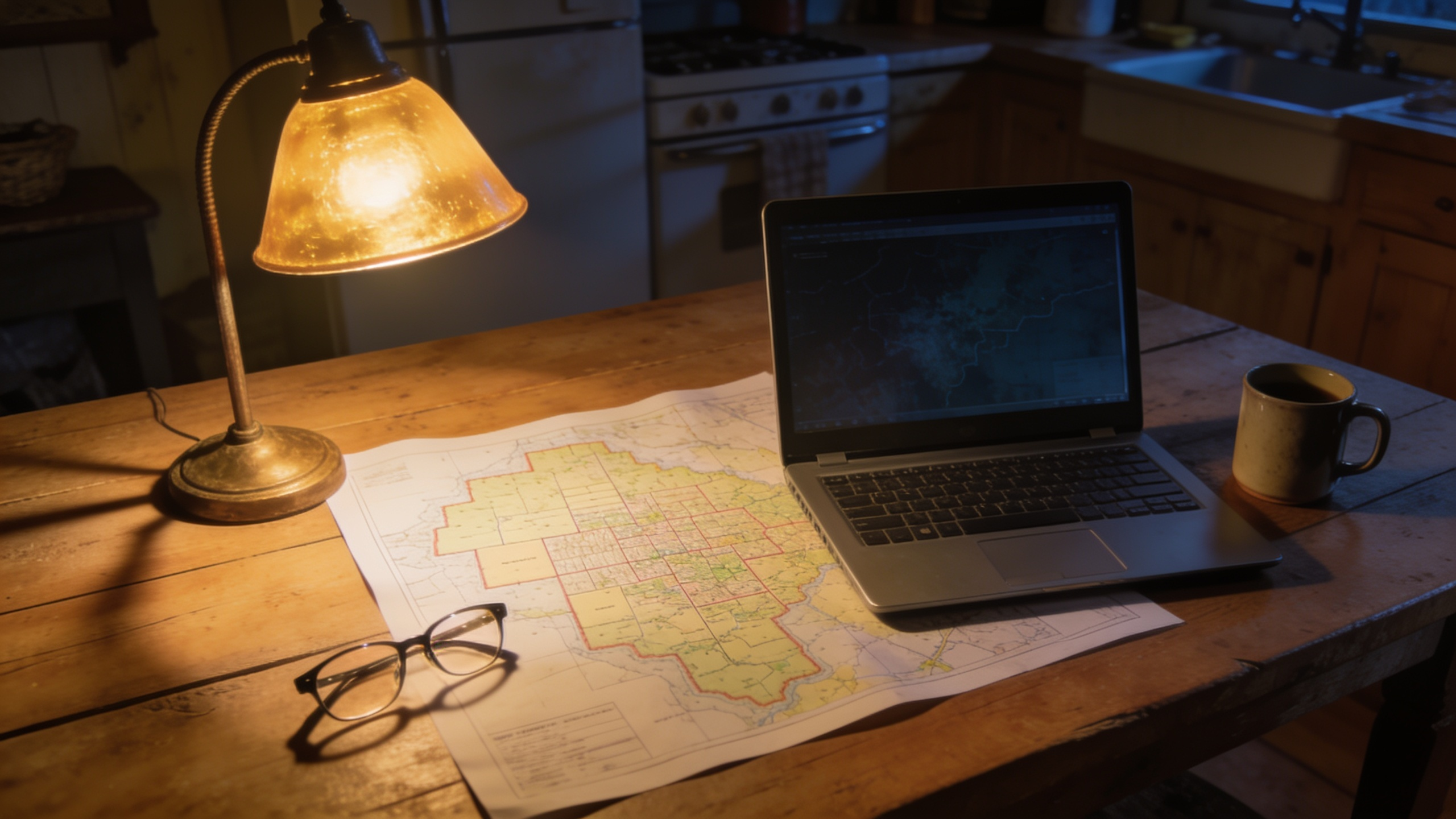
That is exactly the gap the scam lives in. When remote transactions are normal, "he wouldn't meet me" stops being the red flag it is everywhere else, and the burden shifts entirely to verification you can do from your kitchen table. The good news is that land, unlike an apartment, comes with a public paper trail.
Six checks that kill the con
Pull the county record. Every county publishes who owns every parcel, through the assessor, the recorder, or a public GIS map. The name on the deed either matches the person asking for your deposit or it does not. This single check defeats the cloned-listing scam outright, and it costs nothing.
Reverse-search the photos. Cloned listings use stolen photos by definition. Drop them into a reverse image search; if the same images appear on a for-sale listing or another site under a different name, you have your answer.
Run the price test. The Oklahoma lease was offered at roughly half what comparable ground brings. A price far under the local market is not a deal you found first. It is the hook.
Demand a written lease naming the owner of record. A real landowner expects paper; it protects them too, as we covered in our look at landowner liability. A "landlord" who resists a written agreement naming the deeded owner has told you everything.
Pay on rails with recourse. Police reports in these cases share one constant: Zelle, Venmo, Cash App, wire, or gift cards to a stranger. Those payments are gone the moment they send. Whatever you pay with, it should be reversible or documented, and it should never move before the paper does.
Talk to a person who can prove it. A phone call, a video walk of the property line against the county map, a piece of mail, an ID that matches the deed. Honest owners do not resent verification. They recognize it.
What a marketplace fixes, and what it cannot
Platforms built for this transaction remove the easiest attack surfaces: identity verification, listings tied to real owners, payments that do not vanish, and a written lease as the default rather than the exception. That is a real reduction in risk, not an elimination of it. No platform on earth replaces thirty seconds on the county GIS site, and a hunter who runs the six checks above is safer everywhere, including here.
The season is short and the good ground goes fast, which is precisely the pressure the con is built on. The scammer needs you hurried. The county record does not hurry.
HLRBO verifies landowners and backs every booking with real lease agreements and secure payments, so the deposit and the paper move together. Find a lease or read our first-timer's guide to leasing hunting land.