 Written by HLRBO Staff|
Last updated
Nineteen percent of American farmers said they had been approached about leasing ground for solar in a single Purdue Ag Economy Barometer survey, and a majority of the offers ran north of $1,000 an acre, per year. A hunting lease on the same ground displays at a median of $30. If the comparison ended at those two numbers, this would be a very short article. It does not end there, and this is a commentary on what the rest of the comparison actually contains.
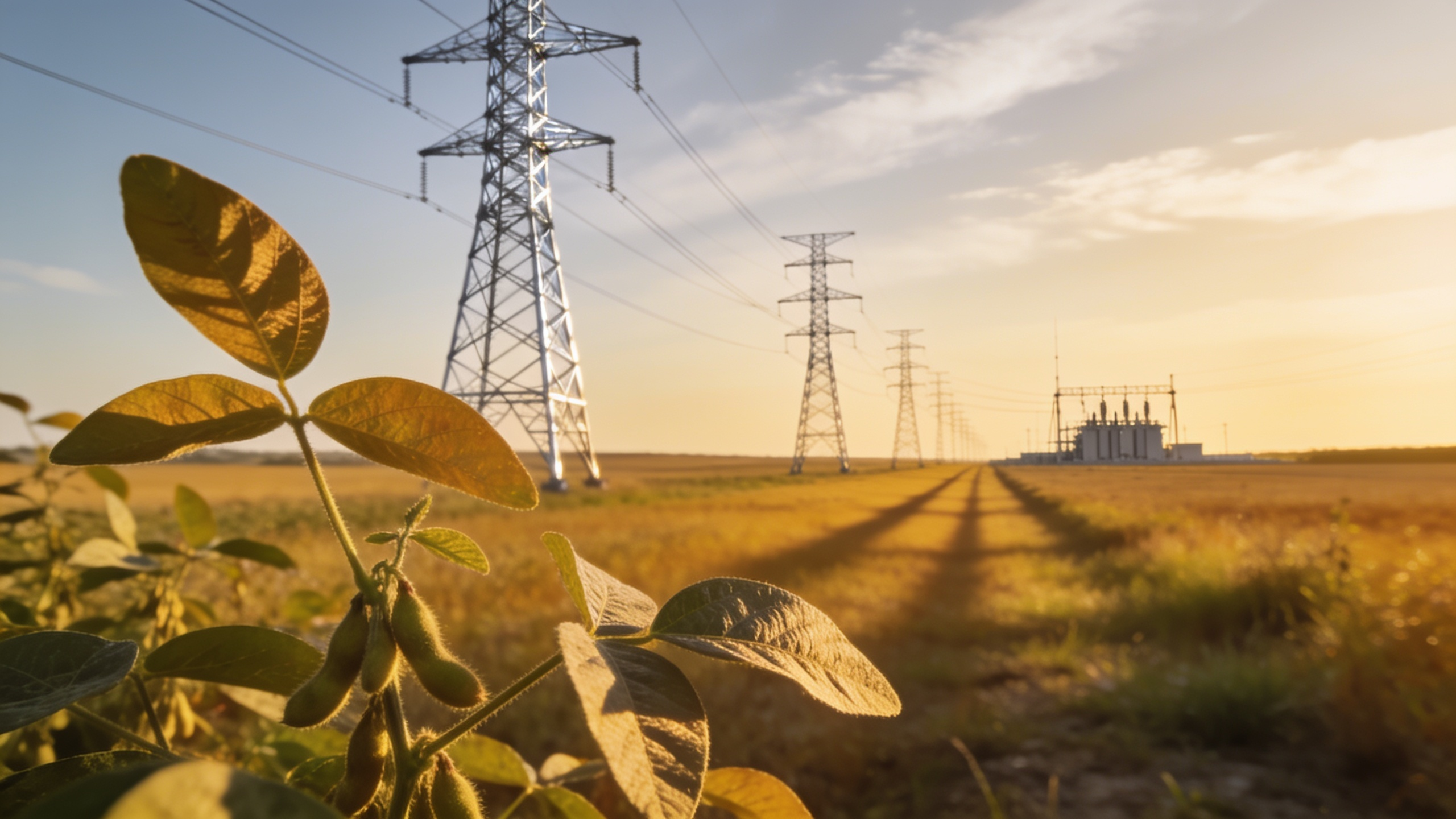
The offers are real and they are getting louder, pushed now by data-center electricity demand on top of everything else. Farmers National Company's Paul Schadegg put the observed range at $500 to roughly $4,000 an acre, and one Illinois farmer reported an unsolicited offer of up to $4,500 plus signing bonuses. Purdue's survey work found typical offers running from about $750 on the Great Plains to more than $1,200 in the eastern Corn Belt. Anyone who tells a landowner a hunting lease competes with that on dollars per acre is not doing arithmetic. It does not, by a factor of thirty or more, and this piece will not pretend otherwise.
Here is what the per-acre number leaves out.
The length of the sentence
A hunting lease runs a year, sometimes a season. A solar lease, per the University of Missouri Extension's landowner guide, is typically preceded by an option period of several years and then runs decades once construction starts; agricultural attorney Todd Janzen puts the terms at 20, 30, even 40 years and calls the signature what it is: "they're really a generational decision." The comparison is not $1,000 versus $30 for a year. It is one revocable decision against one that binds your kids. Whatever you conclude, conclude it about the right question.
What each lease does to the ground
A hunting lease's product is the ground exactly as it is. The timber stays timber, the CRP stays cover, the deer stay deer, and next year every option you had this year is still on the table, a point that matters enormously for the families we wrote about in the great land transfer, where the lease is often the mechanism by which heirs afford to keep ground at all.
A solar lease's product is the site. Panels, racking, roads, and fencing replace whatever was there for the life of the project, and the hunting on those acres ends on construction day. That is not a criticism; it is the deal. The MU Extension guide walks through the parts landowners under-read: decommissioning terms and who bonds them, what happens to agricultural tax treatment during the project, liability and insurance during construction, and what the lease permits the developer to do to the acres around the array. Under-reading any of those is how a good check becomes a bad decade.
The offer most ground never gets
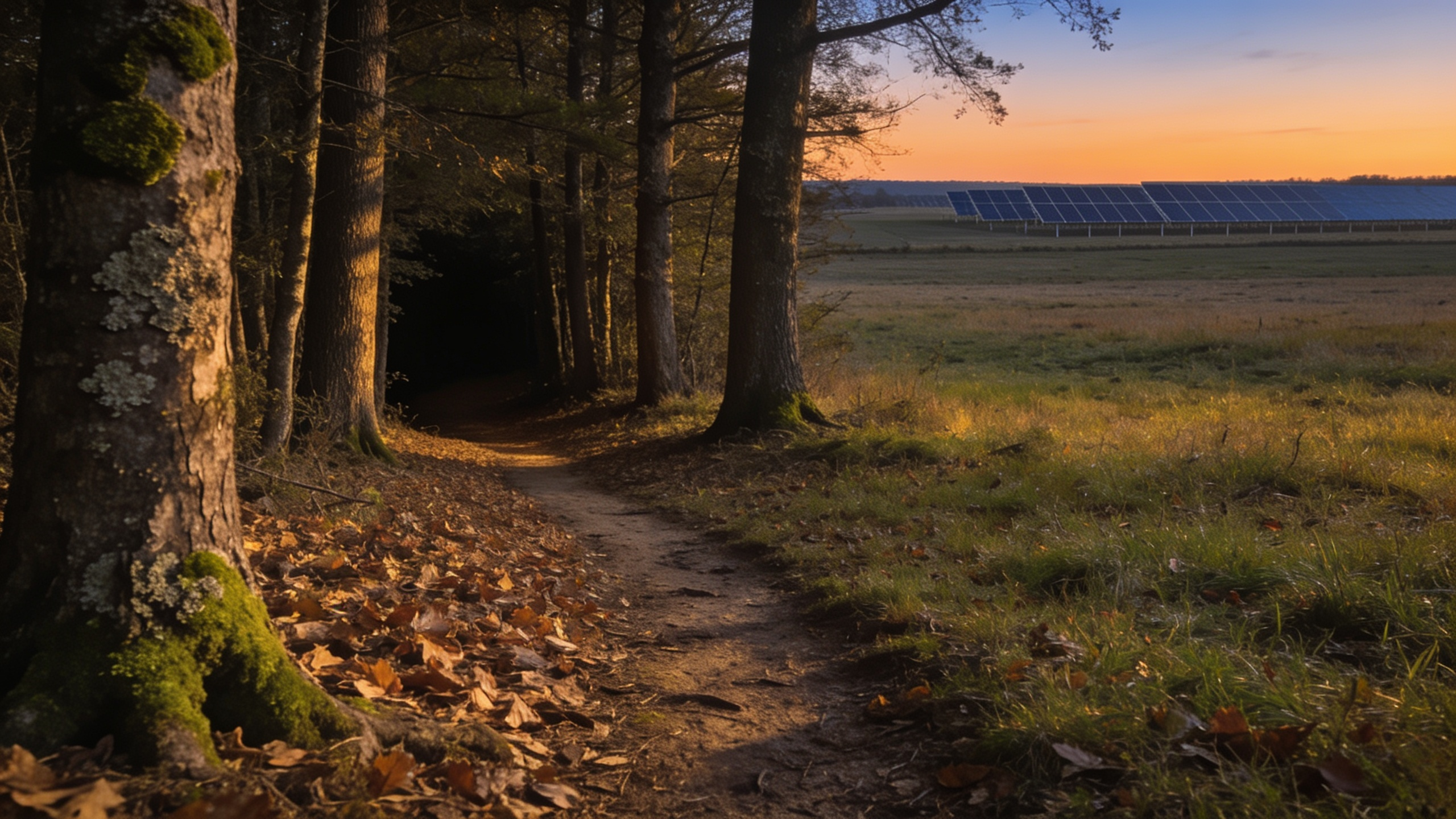
The loudest number in this market is also the rarest. Developers do not lease acres; they lease sites, and a site needs what industry siting guides consistently list: flat, clear, unshaded ground, close to a substation or three-phase transmission with capacity, in a queue-friendly utility territory. Miss on proximity or interconnection and the $1,000 letter never comes, no matter how pretty the farm. The practical upshot for most landowners reading this: the solar comparison is theoretical for the large majority of parcels, while the hunting lease market prices essentially all of them, including the rough, wooded, wet, and remote acres solar will never want and hunters specifically do.
Running the honest ledger
So put the two on paper the way a family actually should.
If your ground qualifies and the family wants the money, solar can be the right answer, and no hunting lease pencil-whips its way past $1,000 an acre. Take the guides seriously, get the lease in front of a lawyer who has read one before, and negotiate decommissioning like it is the whole contract, because in year 32 it is.
If your ground does not qualify, the comparison was never real, and the question becomes what the land can earn as land. On our marketplace the median annual lease displays at $3,420 and the middle half of per-acre asks run $8 to $59, numbers we published from our own listing data this week. Small next to solar. Not small next to zero, stackable on top of crop rent, protective of the habitat, and cancelable by you next spring if you change your mind.
And if your ground qualifies but you are not ready to sign a generational contract, notice that these incomes are not mutually exclusive in time. A hunting lease this fall costs you nothing in optionality. The solar option, if it is real, will still be knocking next year; interconnection queues make sure of that.

The kicker the mailbox never includes
Every solar letter prices the acres. None of them price the thirty falls. That is not an argument against signing. It is the one line item the landowner has to fill in personally, because no developer, and honestly no lease marketplace either, can tell a family what it is worth to walk their own timber in November with a kid and a tag. Put a number on that line before you compare the other two, and whatever you sign after that, you signed with the whole ledger showing.
For ground that is staying ground, HLRBO connects landowners with hunters nationwide, with real lease agreements, insurance options, and secure payments behind every booking. List your property, or see what leases like yours are asking.