 Written by Justin Park|
Last updated
When Americans think of "public lands," many people picture iconic National Parks such as the Grand Canyon or Yosemite. But the 640 million acres owned by the federal government is much more diverse, with millions of acres managed by the Bureau of Land Management and open to private leasing for uses such as oil drilling, mining, and livestock grazing.
On May 11, 2026, the Department of the Interior rescinded the Biden-era "Public Lands Rule" (officially the 2024 Conservation and Landscape Health Rule) which opened up the option for private entities to lease BLM lands for conservation projects. Environmental and conservation groups are mostly condemning the expected rescission, but the BLM says the rule overstepped its authority and incoherently tried to redefine conservation "non-use" as a productive "use".
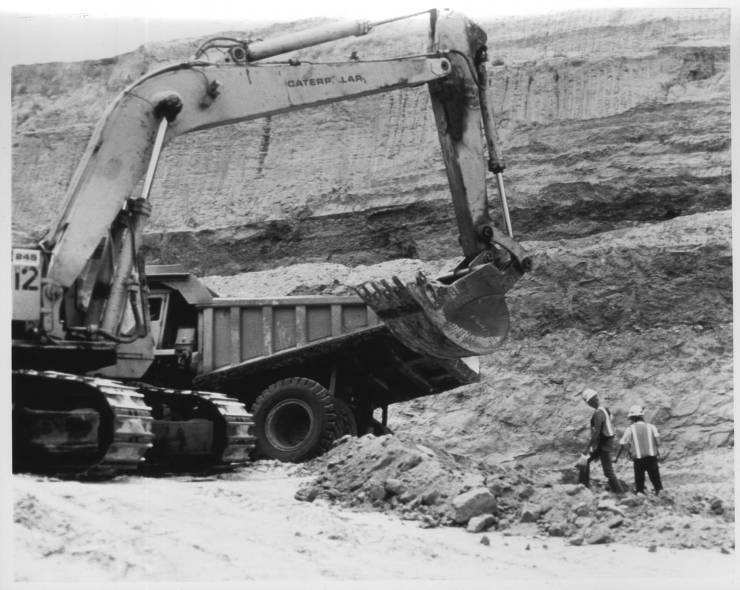
Archival BLM image of uranium mining on BLM lands in Wyoming.
What Does Eliminating the Rule Change?
Because the rule had only been in place since 2024, the elimination of the Public Lands Rule mostly removes a potential leasing opportunity for conservation on BLM lands which had seen limited implementation.
While groups such as the Wilderness Society say (rather hyperbolically) that the move is a "bid to make industrial applications like drilling and mining the default and dominant use of our nation’s public lands forever," these uses, along with recreation and grazing, are the historical uses of BLM land. The 2024 Public Lands Rule, as the National Parks Conservation Association puts it, is a very recent change, "created to address a historic imbalance that favored mining and oil and gas development over other conservation on public lands."
While BLM lands are still subject to broad conservation mandates such as the National Environmental Policy Act, they've historically been open to productive and extractive human uses such as mining, grazing, and drilling, much more so than other federal lands such as National Parks and National Forests.
The Act's rescission moves us back to an interpretation of "use" only as human uses such as recreation, timber harvest, OHV travel, and mining. The Public Lands Act wishfully stretched the definition of use to include conservation and the hope for conservation groups was that non-profits such as the Mule Deer Foundation might secure BLM leases for habitat restoration for wildlife among other possibilities.
Why Did the BLM Rescind the Rule?
In a September 2025 press release previewing the move, the Department of the Interior argued that conservation isn't a use as such and that the Biden administration defined conservation as "no use" which would equate to leaving the lands idle aside from permitted casual activities such as hiking. At the time, DOI Secretary Doug Burgum said the Public Lands Rule "had the potential to block access to hundreds of thousands of acres of multiple-use land – preventing energy and mineral production, timber management, grazing and recreation across the West."
One group that agrees is the Blue Ribbon Coalition, which fought the Public Lands Rule from the start, arguing that conservation leases would lock out their OHV user constituency from BLM lands, long one of the last refuges of public land off-roaders. The BRC contends that conservation leases would've blocked OHVs as well as snowmobiling, e-biking, vehicle-supported hunting, dispersed camping, and more.
The BRC also argues that the Rule had shaky legal standing and granted the agency power to subjectively designate new Areas of Critical Environmental Concern without Congressional oversight, locking away additional BLM lands from their historic approved uses. This article on the BRC website goes deep on their objections as well as the legal arguments against the Public Lands Rule.
Hunting groups such as the Theodore Roosevelt Conservation Partnership and environmental groups such as the Sierra Club, however, supported the Public Lands Rule for the same reasons the BRC objected. The Rule had the potential to bring the approved "uses" of BLM lands more in line with the highly protected status of other federal lands. Restricting human use of public lands can be beneficial for wildlife prized by hunters and environmentalists, but very unwelcoming to off-roaders, campers, and energy companies.
Justin Park is a Colorado-based writer, editor, and avid hunter with a passion for the outdoors. He contributes to leading publications such as GearJunkie, Popular Mechanics, Powder, and Men's Journal, and serves as Editor of Wild Snow. Park is deeply involved in conservation and recreation advocacy, serving as Chapter Chair of the Rocky Mountain Elk Foundation (RMEF) in Summit County. He also represents RMEF on a state recreation committee focused on proactively addressing land use conflicts.