 Written by Justin Park|
Last updated
If you follow the battles over public land, you get the impression that our shared wild places are constantly under threat. A few patches of nature barely holding out against the inexorable march of subdivisions and strip mines.
And that's true. The greatest threat to turkey, elk, and many other game animals is the slow erosion of suitable habitat. Both motorized and non-motorized activity push out wildlife, so many hunting and hunt-friendly conservation groups reflexively back the push to close roads and trails, expanding wilderness on public lands.
Given that, the motorized community might not seem like obvious allies for the hunting community. The side-by-side and Jeep set clearly want roads on public lands but most hunters know that roads can push game animals away. Incompatible goals, right?
Dive deeper and there’s an overlapping philosophy of responsible use shared between the hunting and off-road communities that makes them more natural allies in political conservation battles than the preservationist environmental groups hunters often get into bed with.
“I think most hunters are also motorized recreationists,” says Ben Burr, Executive Director of the Blue Ribbon Coalition, a motorized access advocacy group. “For a hunter to be able to haul any kind of a vehicle out to the backcountry and then pursue whatever form of hunting you do from that point forward, there's synergy there.”
The erosion of wildlife habitat is also mostly happening on private lands (think farmland being sold to developers) while public lands have layers of stringent prohibitions on development, even if there are regular attempts to sell some of it off. Off-road advocates such as Burr argue that, on public lands at least, the system has a finger on the scale in favor of wilderness which is slowly locking users out.
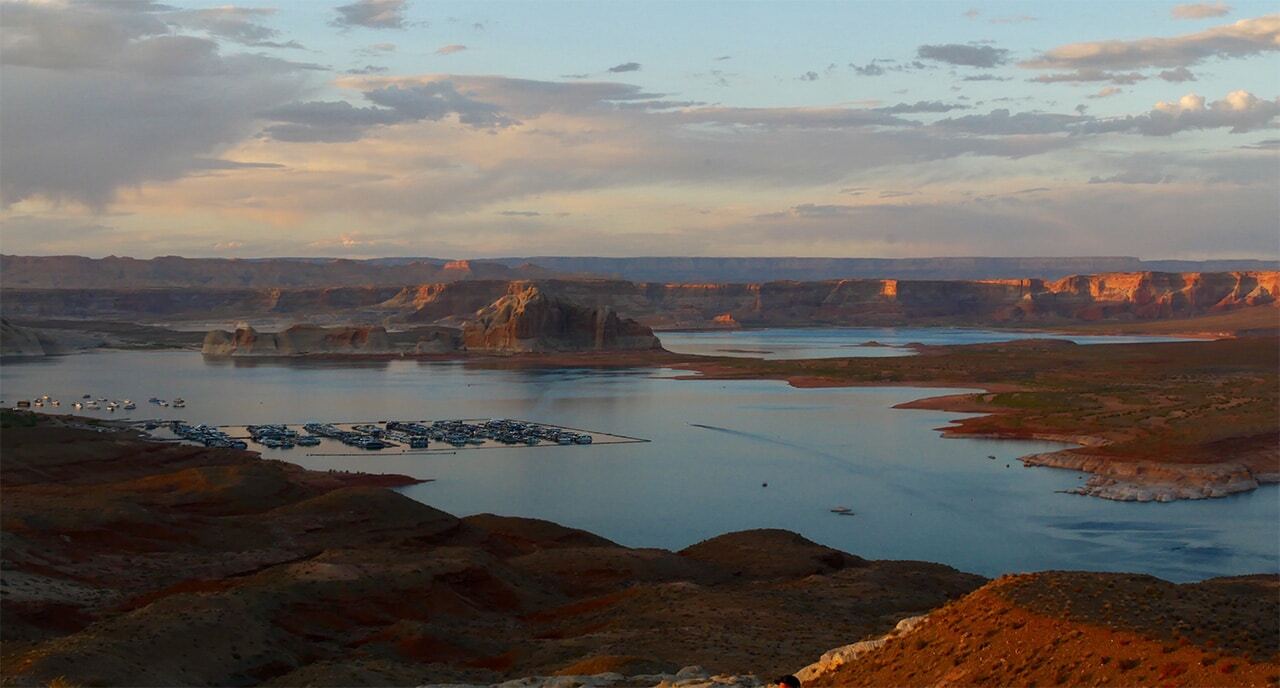
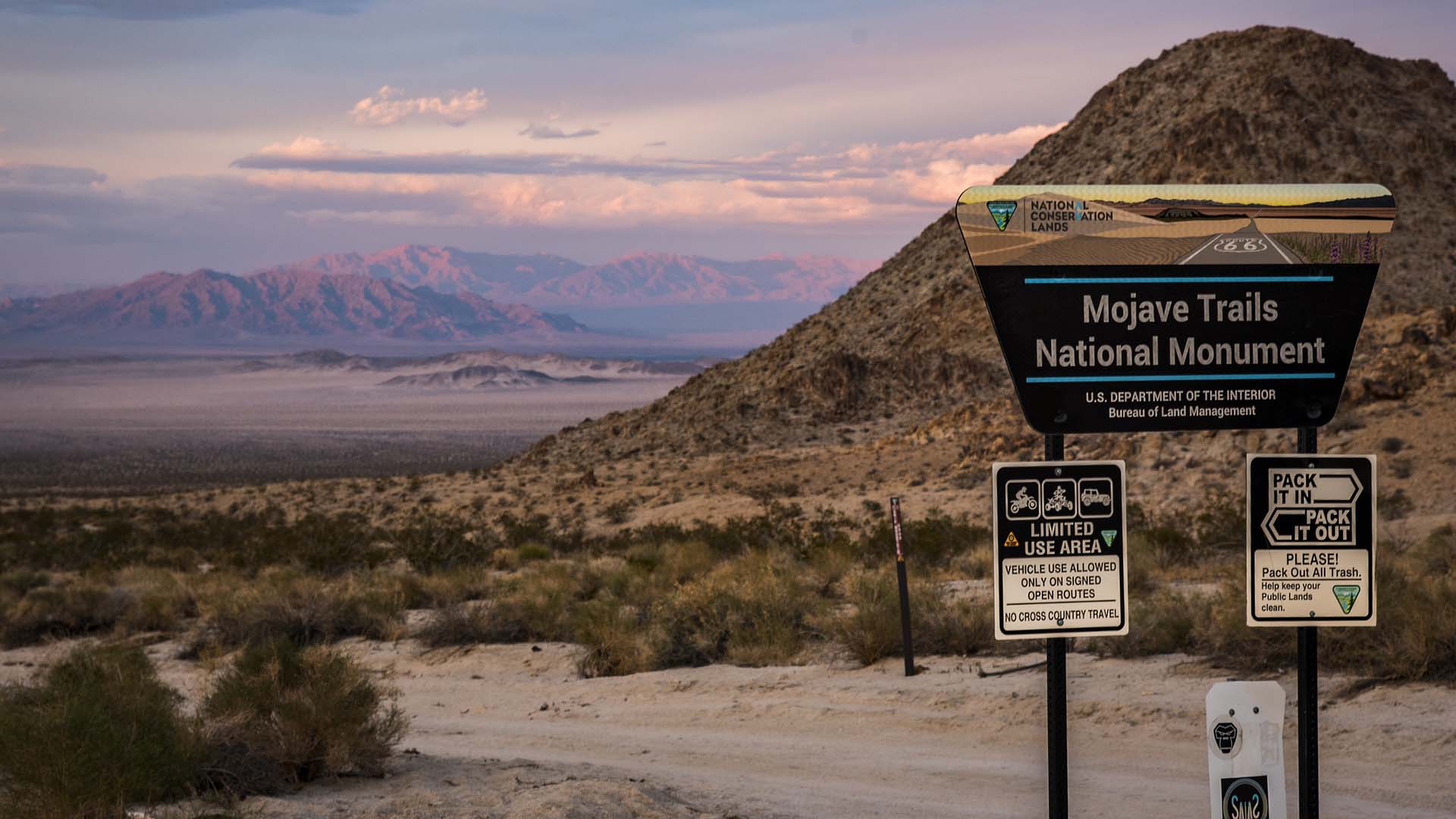
Burr and the Blue Ribbon Coalition fight this erosion of access on public lands through lobbying and legal battles on several simultaneous fronts. This includes protecting boat access on Lake Powell to resisting the closure of more than 2,200 miles of trail in the Western Mojave Desert. Burr suggests that despite high-profile threats to public lands, the wilderness movement won decades ago and is not-so-secretly pushing to exclude both hunters and off-roaders from accessing public lands.
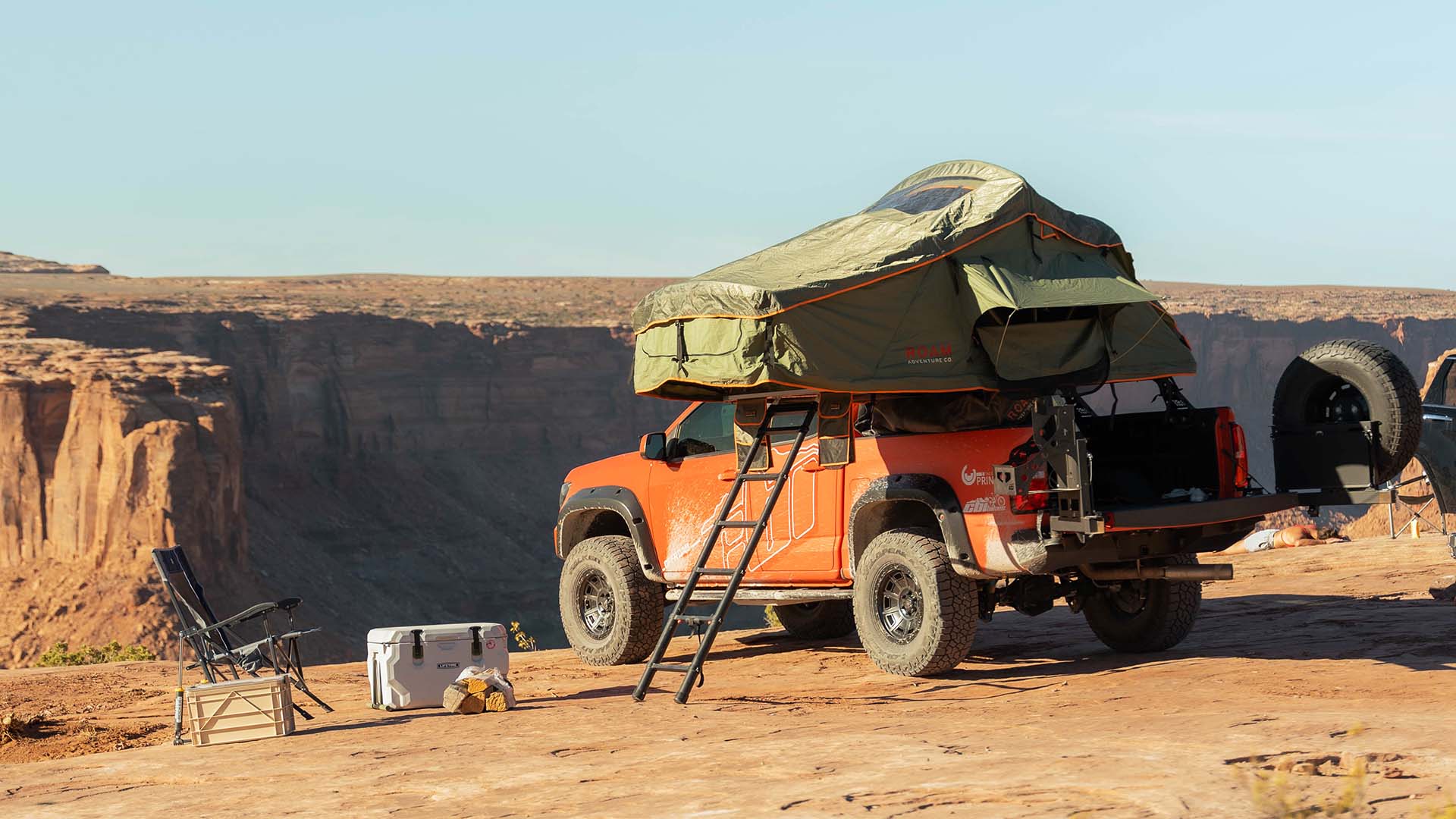
Photos courtesy of the Blue Ribbon Coalition
We spoke with Burr to learn more about the alignment of hunters and motorized users, the threat of the preservationist environmental juggernaut, and what the Blue Ribbon Coalition has learned over 40 years of public land access advocacy.
{this interview has been lightly edited and condensed for clarity}
HLRBO: For people that haven't heard of the Blue Ribbon Coalition, give us a sense of who you are, the issues that you’re tackling.
Ben Burr: The BRC has been around since 1987. And primarily it's been focused on protecting access to public land with a heavy emphasis on motorized access to public land.
As a lot of these environmental laws got put in place in the '60s, '70s, and '80s, we started to see what the implementation would look like. And a lot of that implementation looked like restricting access to public land. So we've become a counterbalance to that.
We've done that primarily through the courts, and we've been involved in over 70 lawsuits in the last 40 give or take years. We've been occasionally a part of legislative efforts that have worked with elected officials at the county and federal levels. We've been involved in policy issues protecting access.
And then we also will work directly with administering agencies and land management agencies to try to secure good outcomes to keep the public lands open for motorized recreation. So that involves a lot of that public comment process where you're trying to influence an agency staff to make management decisions to keep things open. And so we work on all levels of government.
HLRBO: I think for the general public, things like the Endangered Species Act, they have this halo around them. How could protecting endangered species be a bad thing? How do you explain the unintended consequences for access with environmental laws to folks that aren't educated about these issues?
I would start by saying the consequences are intended.
Rules have been changed so that they can make more land eligible for wilderness consideration. And there's a whole political movement designed around that.
So when we see them closing roads, it's not an unintended consequence. That is the endgame of what they're trying to do.
And they'll use whatever tools they can to make that happen. Sometimes that's a travel management plan, which is an administrative process. It could be an endangered species.
It could be something like the Roadless Rule where they invent a new regulation out of thin air and start to create this thing called a ‘roadless forest’ that doesn't really exist anywhere. Basically turn 59 million acres of our forest into a wilderness area without any process. And so we will push back on all those things.
And you are correct in your assessment that those are the legal tools that are going to be used to do this. And that's the battleground where we're fighting.
HLRBO: There's a public perception that this isn't a real problem. Wilderness is what's under threat, not roads on our public lands, right? How do you paint a picture of the kind of balance of power we're dealing with here?
I'll say balance isn't even a word you can use in this discussion because it's so unbalanced already.
You start with wilderness, which is the most protected. You can't even use a chainsaw in wilderness. So we have these millions and millions of acres of forest that's in wilderness.
Then you have Wilderness Study Areas where Congress is like, ‘Well, we might make this wilderness one day.'
Then you have the National Monuments, which are proposed for designation. Any and all endangered species have something called a designated habitat, which then overlaps over some of those existing protected designations or areas where there isn't any. Then you have things like the Roadless Rule, which affects 59 million acres of forest. You have the Landscape Health Conservation Rule which sells conservation leases and doesn’t allow motorized use.
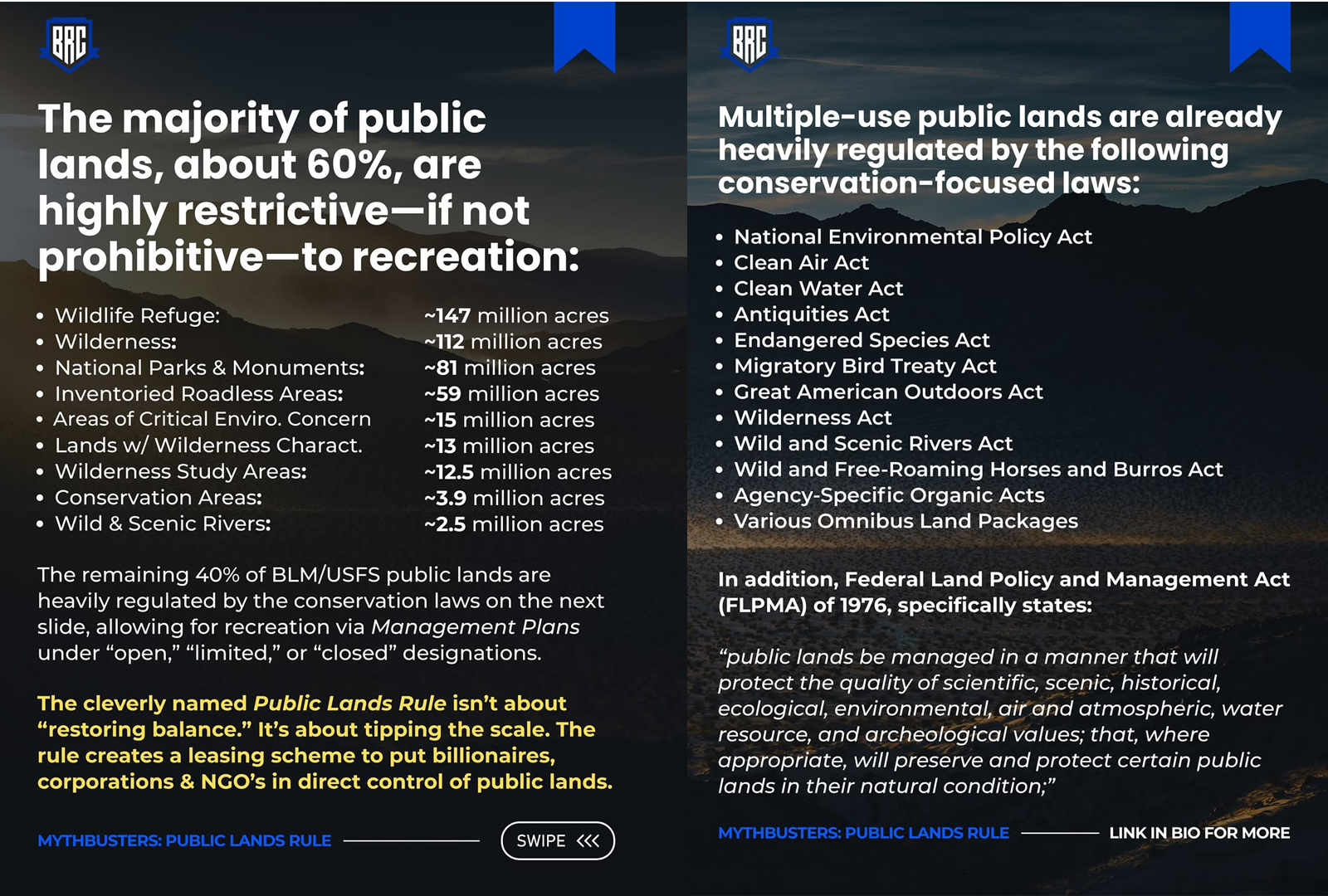
And so it's hard to claim that there's even a single acre of public land which is truly managed for multiple use at this point and isn't already governed by layers and layers of protective restrictions. It's easily half or more that's aggressively managed under protective restrictions. And there's no sign at all that these groups that want to put these restrictions in place will stop.
And there are almost no guardrails within the public consciousness to push back on this, because all they have to do is say, ‘Look, this cute animal needs protecting, so we need to lock up a million more acres.’ And the general public doesn't scrutinize the claim.
And they just don't realize the racket that has turned into.
Aside from what all the designations say, there’s litigation pressure to close stuff. If you're a land manager, you're going to make decisions based on avoiding lawsuits. And the lawsuits are almost all coming from one direction.
We're trying to counterbalance that. I mean, the amount of {environmental} groups that are filing lawsuits toward forcing closures on things is extraordinarily higher than the amount of groups like us trying to fight the courts to keep it open.
HLRBO: Why is there such an imbalance there?
What you have is cities imposing their political will on rural communities and a political system that has no countermeasure to stop that. The numbers are so asymmetrical, so the politics are asymmetrical, the wealth is asymmetrical, and I would argue that the laws are rigged.
This operating system that got put in place in the 60s and 70s, all the incentives in the system are to create lawsuits, to create more closures, because the environmentalists get paid by those lawsuits, their lawyers do. They collect from the government when they get an Equal Access to Justice Act settlement. And so there are financial incentives, there are policy incentives, there are legal incentives.
The {environmental laws} were written to solve what were some acute and serious and legitimate environmental problems in the 1960s and 70s. That's not the world we live in anymore. And so that whole system needs to get updated.
HLRBO: We speak to both hunters and landowners so I'm wondering if BRC gets involved in any private land issues.
Private property and public access are always intersecting in interesting ways. If a private property owner has something like a dedicated public road going through their property, we feel that should stay that way unless very clear legal processes are followed to abandon those roads.
On the same hand, if you're a private property owner who has a federal agency blocking off access to your private property, and we have had several of these cases, we also help those private landowners maintain access to their properties and force agencies to honor access that's long existed on public roads across public land.
I've seen with our landowners we've worked with, if you can make a good income off of hunting access to your land, you do manage it for wildlife. That's good economically and that's good policy to have landowners managing for wildlife health.
I'd much rather have the Endangered Species Act incentivizing that because it does not do this at all. It's a penalty focused act. It's not an incentive focused act. It doesn't build the public support needed to actually voluntarily try to help wildlife thrive, which is, I think, where most humans want to be. That is the sentiment that I think these wilderness groups are tapping into, is that humans naturally want to be good actors towards wildlife, you know?
But then all they're really doing is punishing a group they don't like in court. The tortoises aren't doing any better for the 20 years of Center for Biological Diversity lawsuits that have been waged in the name of its protection.
HLRBO: How much overlap do you see with the broader hunting community on your issues?
The hunting community has always been part of Blue Ribbon Coalition. If I ask any Jeep club, ‘How many of you also hunt?’ 70% of them are going to raise their hand. But they're choosing to enter the public land discourse through this OHV lens more than the hunting lens.
Hunters break down into a lot of different groups. You have different people who like hunting in different ways, right?
So if you're somebody who hauls out a fifth wheel to the hunting camp that you could go into with your grandpa, we're definitely fighting for you.
But for you to be able to haul any kind of a vehicle out to the backcountry and then you go and do whatever form of hunting you do from that point forward, there's synergy there. I think most hunters are also motorized recreationists.
HLRBO: Where does BRC sometimes split from the hunting groups?
The other thing I see with the hunting community is they've become very susceptible to the siren song of the wilderness groups. {These groups} act like they’re fighting for you to have healthy animal populations and whatnot. And so Backcountry Hunters and Anglers and a few others seem to almost be in lockstep in alliance with the wilderness groups.
I can see the overlap there because there is an element of hunting and backcountry fishing where if you're hoofing it out to the wilderness, you're gonna get an experience that's different and more valuable to you than what other people are experiencing. And I get why people really get connected to that and want to fight for it.
But I worry about the broader hunting community, who do use a side-by-side or a pickup truck to facilitate hunting. Be really careful about who you're becoming friends with, because a lot of those {environmental} groups will go further than you expect.
They really don't want you there at all. Period.
And they’re overt about that, and that’s where hunters have started to realize that some hunting groups are not on the side of hunters.
A lot of these groups that want to create more wilderness and access restrictions are the same groups that want restrictions on firearms and hunting. They want to control you.
They realize they can move conservatives to the left on wildlife policy. And then they use that coalition to elect people who will now take away your rights.
There's a lot of {land} resources in this country where we can all get most of what we want. We'd love to have as many hunters supporting BRC as we can and learn more about our positions. I think they'll find that we're always supporting access and access is good for hunting in most cases.