 Written by HLRBO Staff|
Last updated
The federal duck report finally landed on September 1, about a week late and carrying the number waterfowlers will argue about all season: 5.9 million mallards, down 11 percent in a year, 26 percent below the long-term average, and the lowest estimate in more than 30 years. Total breeding ducks barely moved, holding at 33.4 million. The headline bird did not.
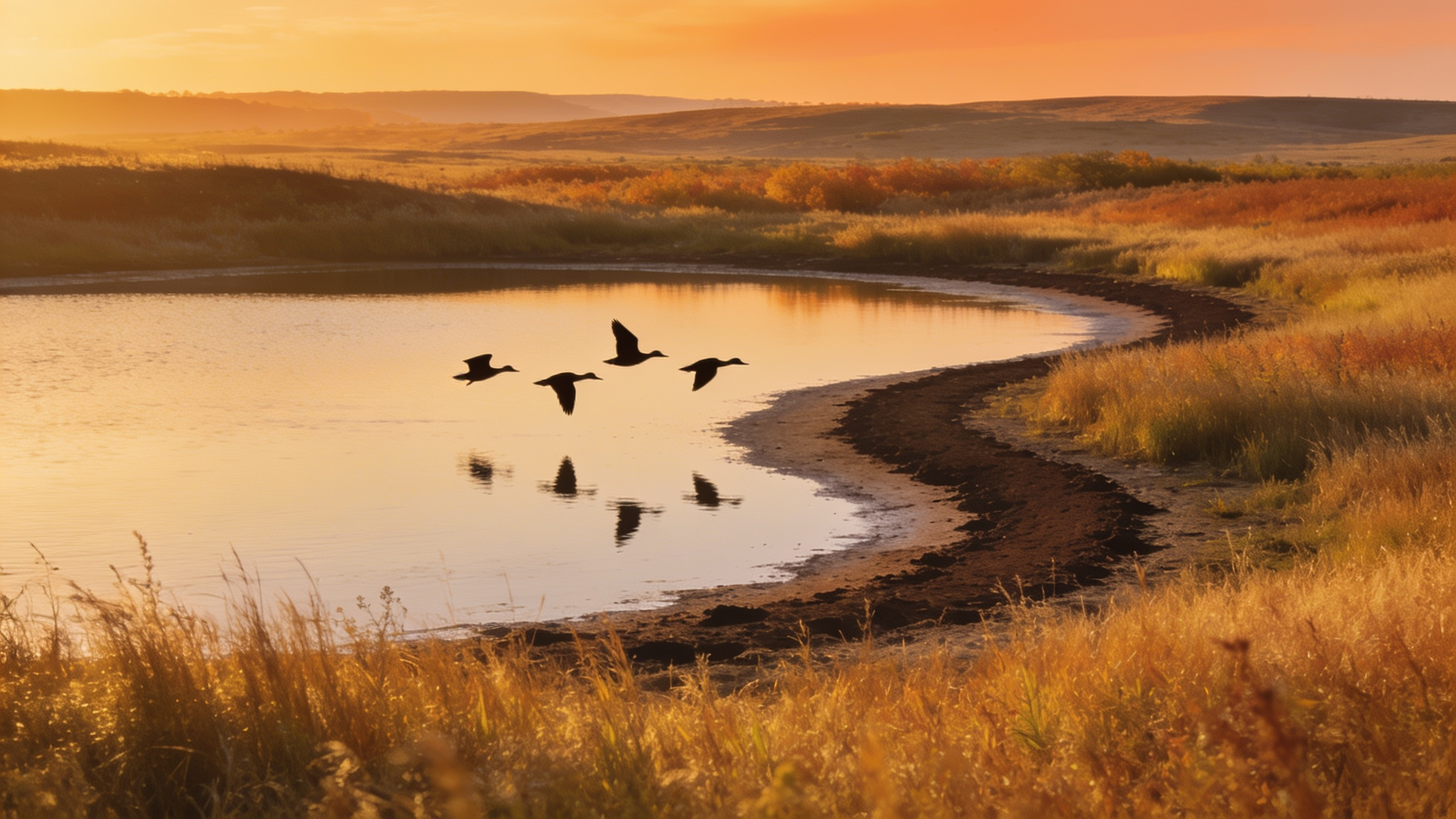
The U.S. Fish and Wildlife Service's 2026 Waterfowl Population Status Report, compiled with the Canadian Wildlife Service and state and provincial partners across a survey area stretching from Alaska to Newfoundland, is the gold-standard count, and this year it reads like two reports stapled together. The continental picture is stable: 33.4 million total breeding ducks against 33.9 million in 2025, about 6 percent under the long-term average that runs back to 1955. The mallard picture is not. Ducks Unlimited chief scientist Dr. Steve Adair put it plainly in DU's analysis: "Mallards are now at their lowest level in over 30 years."
What this report decides, and what it does not
First, the precision hunters routinely get backwards. Your 2026-27 season is already set. Duck frameworks run a year ahead, so this fall's regulations, liberal packages and another nine-day early teal season, were locked from the 2025 data, a process we walked through in July. What the 2026 report feeds is 2027-28, and the early signal there is calmer than the mallard number suggests: per the companion Adaptive Harvest Management analysis, the Service is expected to recommend liberal frameworks for 2027-28 across all four flyways.
So the number that matters for the next ninety days is not a bag limit. It is a description of the birds that will actually fly over you: how many, hatched where, and pointed at what kind of water.
The pond paradox
The habitat line looks like good news until you read the map under it. The May pond count came in at 4.8 million, up 14 percent from 2025's grim 4.2 million, though still 9 percent under the long-term average. The catch is where the water landed. Crews found wetter conditions across the Canadian prairie provinces and drier conditions in the Dakotas and Montana, and the mallards followed the water north into parkland and boreal country. Delta Waterfowl's survey read notes that is the wrong trade for production, because prairie-nesting ducks consistently out-produce their parkland and boreal cousins. More ponds, in other words, but fewer of them under the hens that fill October skies.
Where the bright spots actually are
Read the federal report next to the state surveys we compiled in August and a usable fall map emerges.
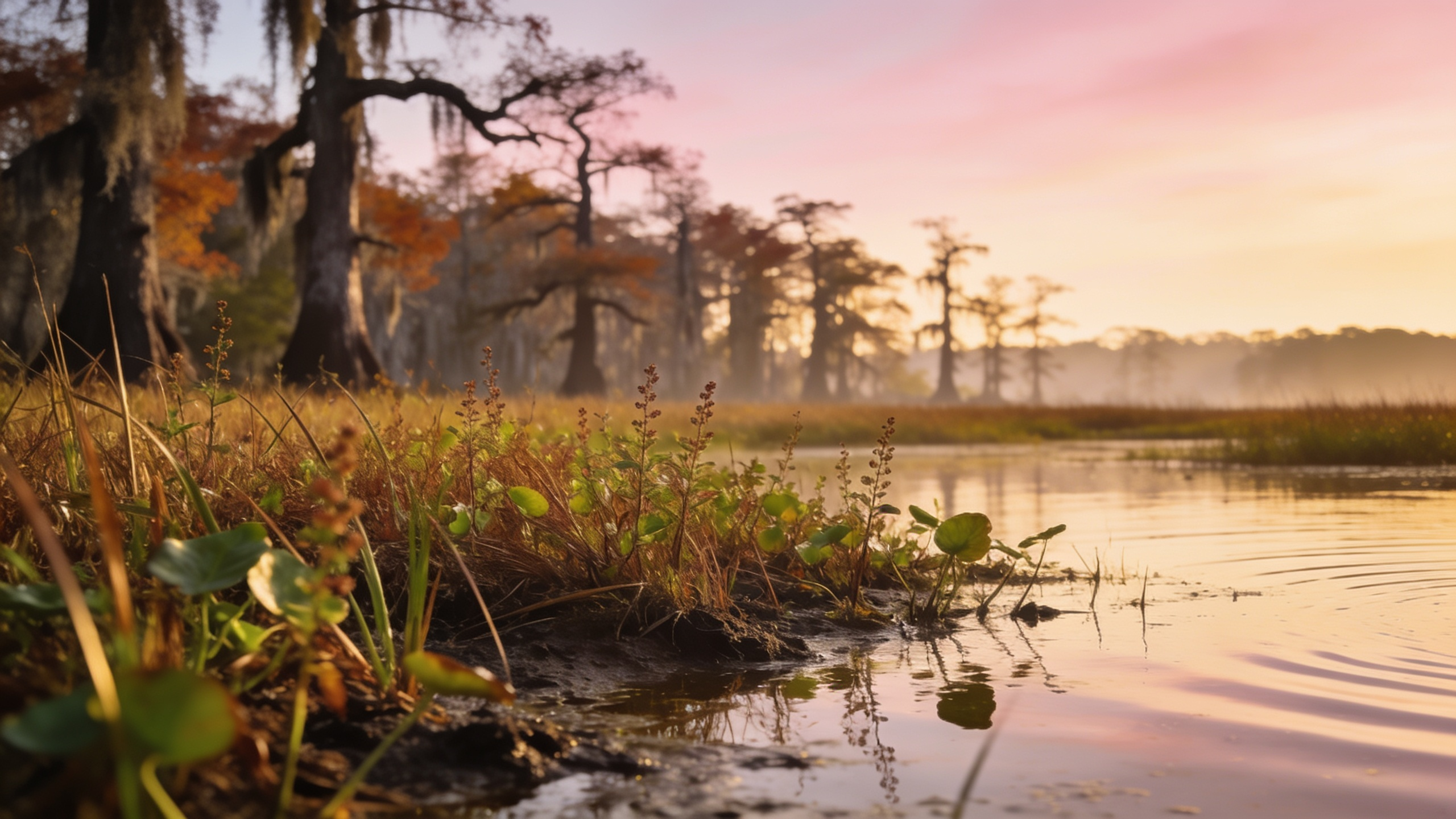
The Great Lakes states are the counterweight. Minnesota's breeding count jumped 63 percent, Wisconsin held well above its long-term average, and Michigan's mallards rose 61 percent on the year; the federal report itself notes mallards were up in all three, counts that sit outside the traditional survey area but feed the same management process. Those are homegrown birds, first in the bag before northern migrants arrive.
North Dakota is the season's asterisk. Its May count fell 9.5 percent, but late rains produced a 55 percent jump in July broods, and state biologists project a fall flight roughly 9 percent larger than last year off a smaller breeding population. Dry ground, wet finish.
The West split: Washington up 21 percent, Oregon down 22, California off 10 with mallards flat and cushioned by carryover water.
What the map means for a lease
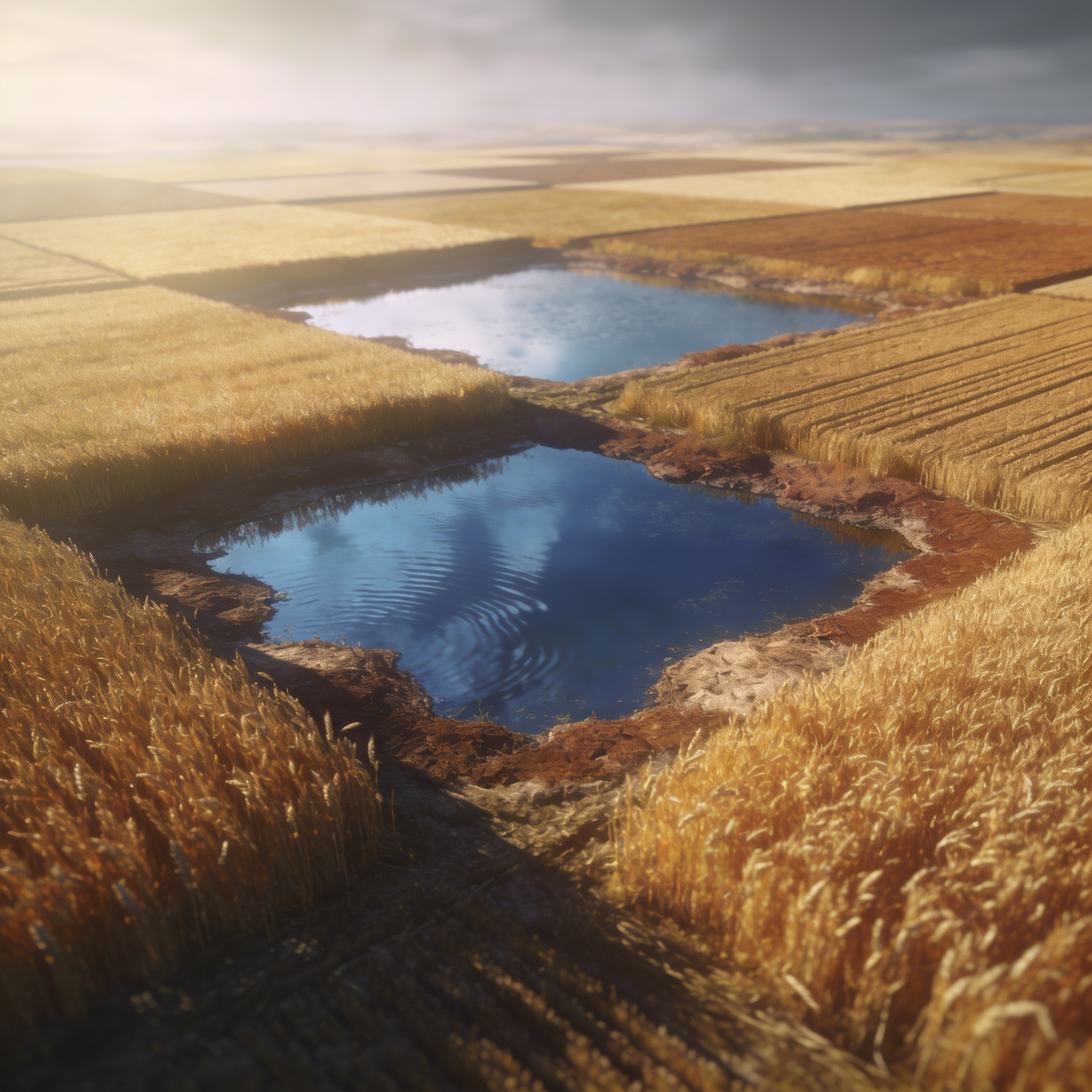
Put the pieces in one sentence: a roughly average-sized total flight, light on mallards, produced disproportionately north and east of the usual engine room, over a prairie that is still drier than normal. Dry Dakotas concentrate migrating birds onto whatever water remains, which widens the gap between ordinary ground and ground with reliable water, flooded ag, managed moist-soil, river bottoms, before Thanksgiving rather than after. A mallard-poor, teal-and-diver-normal year also quietly rewards properties with species variety over single-species mallard holes. And the Great Lakes numbers argue for not sleeping on early-season local-bird ground within a tank of gas of home.
The mallard line will dominate the arguments this fall, and it should get the conservation attention Adair is asking for. But the season in front of you is already set, the total flight is close to what it was, and the oldest rule in waterfowling did not change on September 1: the birds will be where the water is. The report just told you where to look.
Wherever the flight funnels this season, HLRBO lists waterfowl ground across the country, from flooded timber and rice to marsh and pit blinds, with verified listings and real lease agreements behind every booking. Find a lease.